



Designing the new arena: the rise of sports infrastructure in India
There is no denying that sports infrastructure has evolved rapidly in India over the last decade or so. “Sports in India has transformed from being ‘just sport’ to a mainstream activity, and the turning point for this was the arrival of the Indian Premier League (IPL) in 2008. It changed the economics, and audience dynamics. People experienced a novel format: high-energy, primetime, family entertainment. With this, the revenue models of sports infrastructure have expanded to include broadcast, hospitality, commercial boxes, events, concerts, and year-round use. This has therefore created a large demand for modern, flexible, spectator-friendly stadiums,” says Rajeev Trehan, senior associate architect, Architect Hafeez Contractor (AHC), a Mumbai-based architecture and urban design firm. Further, events like the Commonwealth Games and the conversations around an Olympic bid for India, have raised the bar. This has prompted architects to build to global standards while catering to accessibility, climate, mobility and legacy.
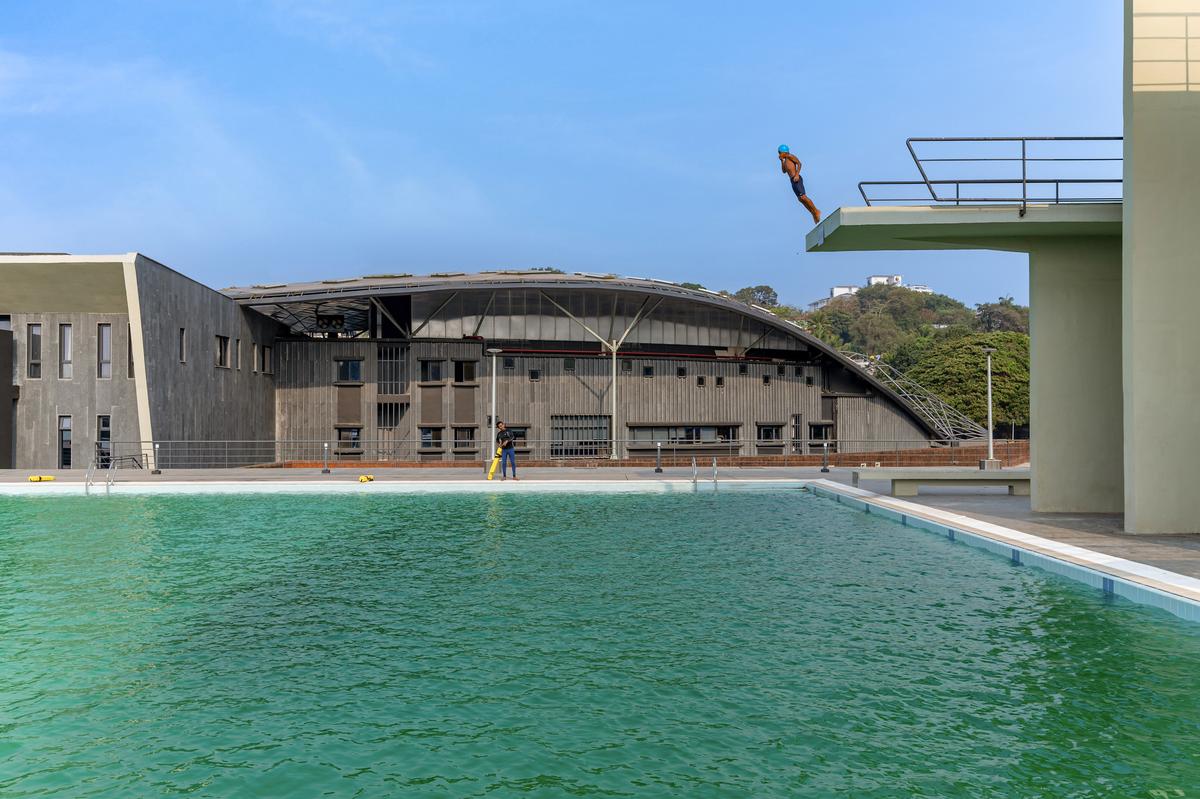
An Olympic-sized swimming pool is situated adjacent to the academic block.
| Photo Credit:
Vinay Panjwani
“As cities densify and wellness becomes an integral part of daily life, sports infrastructure is increasingly viewed not as an auxiliary amenity, but as an essential urban programme. In the Indian context, this evolution is further amplified by adaptive reuse opportunities where existing industrial or under-utilised structures are reimagined as active, social and inclusive environments,” says Mueen Haris, founder of Ds2 Architecture, a multi-disciplinary practice with offices in Bengaluru, Kochi, and Mangalore.
Comfort and accessibility
While a stadium is fundamentally for sport, it must also respond to spectator comfort, safety and experience. Aspects like sightlines, circulation, shelter, acoustics, and accessibility are non-negotiable. Further, planning for traffic, public transport, and pedestrian movement is critical. After all, a venue that seats 50,000-60,000 people can paralyse a neighbourhood if not properly integrated into the surrounding infrastructure. “Events like large concerts — for instance, the Coldplay concert that happened at the D.Y. Patil Stadium [in Navi Mumbai] in February 2025 — amplify this further. In places like Melbourne, stadiums connect seamlessly to universities, stations, and public spaces,” adds Trehan.
Designing a sports facility demands careful calibration between performance requirements and human experience. It is a constant balancing act.
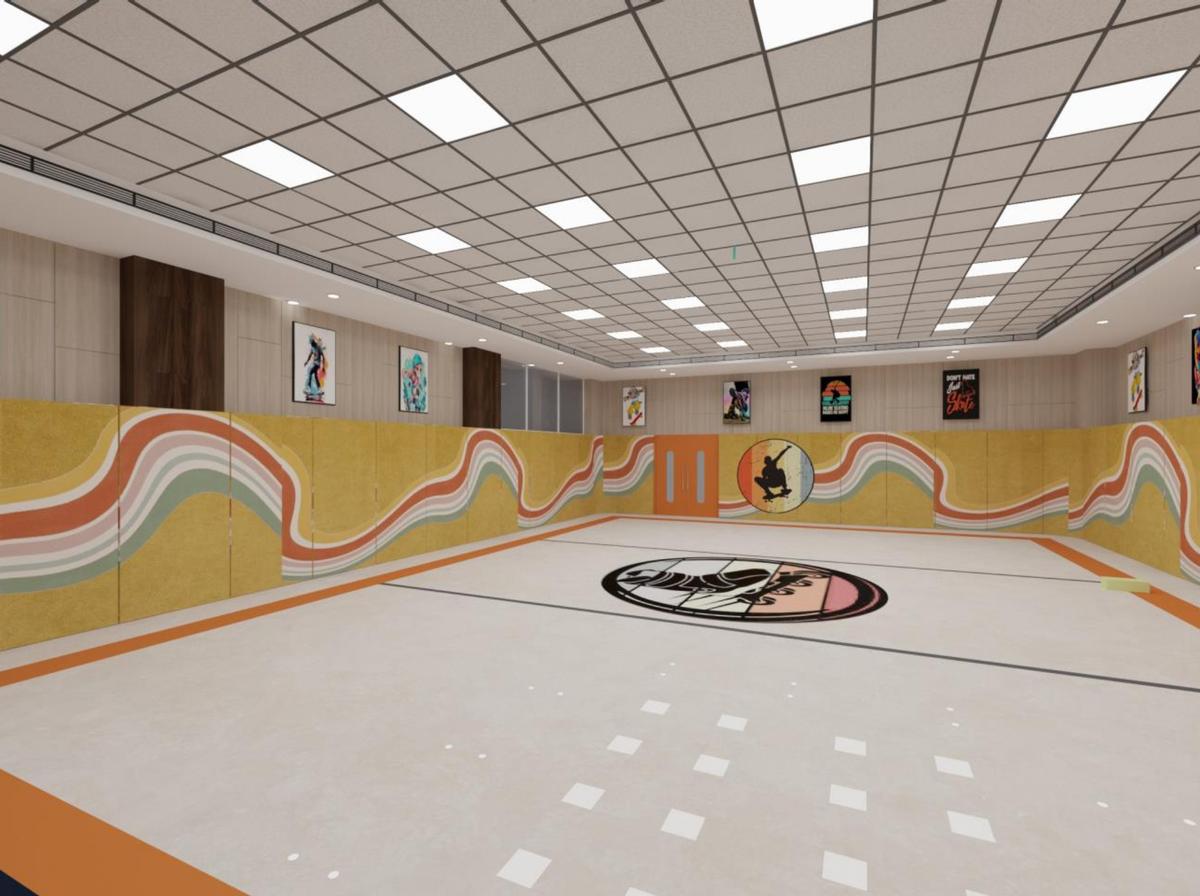
Skating arena
“At the core are the athlete, the body and the sport and everything else is built around that. The geometry, clearances, surfaces and even the choice of materials follow from that understanding of movement and risk. The second layer is climate and comfort. In India, heat, glare, humidity and dust are as much ‘participants’ as players. Roofs, shading, ventilation, orientation and landscape are not cosmetic decisions — they directly affect performance, injury risk and whether spectators actually want to come back. Third is circulation and safety,” says Manish Gulati, founder and principal architect of MOFA Studio, a Delhi-based architecture, interiors, urban, and product design practice.
Gulati quips that what is equally important today is accessibility and inclusivity. A contemporary sports facility must work for women, children, seniors, para-athletes and first-time visitors with the same dignity as it does for elite players and VIPs. “Step-free access, safe edges, lighting, toilets, seating, signage — these are not add-ons, they are core design questions ,” adds Gulati.
“The focus [on sports facilities] has shifted to flexibility, inclusivity, sustainability, and usefulness. You can see these ideas clearly at the sports centre at Graphic Era Global School, Dehradun,” says Bakul Chandra, founder partner and mentor, Renascent Consultants. The project was inaugurated in October 2025 and is replete with glazed openings, recessed windows, and a clearly articulated double-height entrance ensuring abundant daylight and visual openness, creating a strong connection between learning spaces and the outdoors.
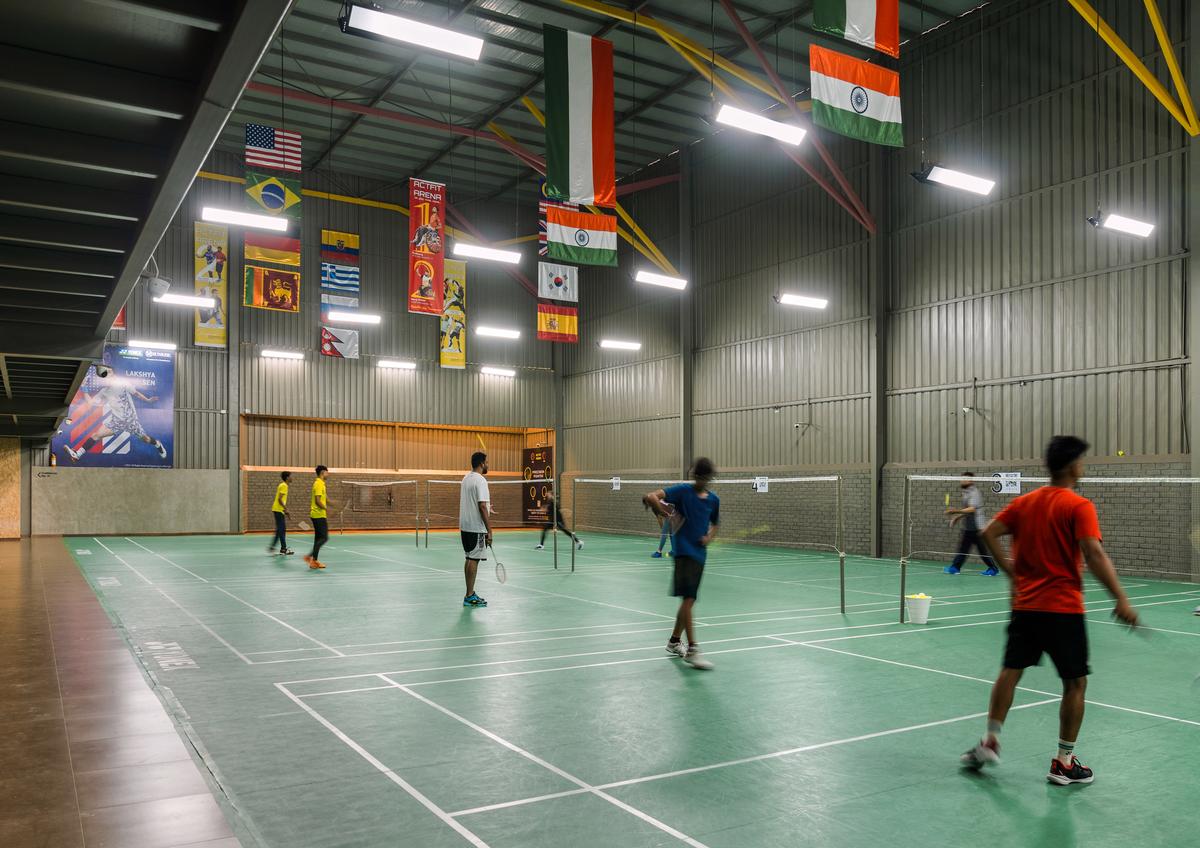
Badminton arena
A good sports facility doesn’t turn its back on the city. Case in point is the National Institute of Water Sports (NIWS) campus in Goa. Designed by MOFA studio, it is planned as a compact academic village for water-sports education. Inaugurated in 2024, key facilities include classrooms and seminar halls, offices, hostels, common areas, and an Olympic-size diving/training pool. All material has been sourced locally.
“Stone, aggregates, many finishes and fabrication inputs are drawn from the surrounding region. The result is a building that looks global in its language but is rooted in local economies, crafts and supply chains,” adds Gulati.
Here is a look at some trends:
Multipurpose venues
“Today, facilities must host concerts, cultural events, exhibitions, car launches, conventions — anything that activates the space commercially and socially. The sector now focuses on flexibility, year-round programming, and high-return infrastructure,” adds Trehan. So, designers are building in plazas, learning centres, gyms, community fields, and commercial programmes that keep the neighbourhood alive year-round. Elements like seating bowls that can shrink or expand, retractable stands, modular courts, hybrid turf and demountable training halls allow a single venue to host athletics one week, a concert the next and then local school tournaments.
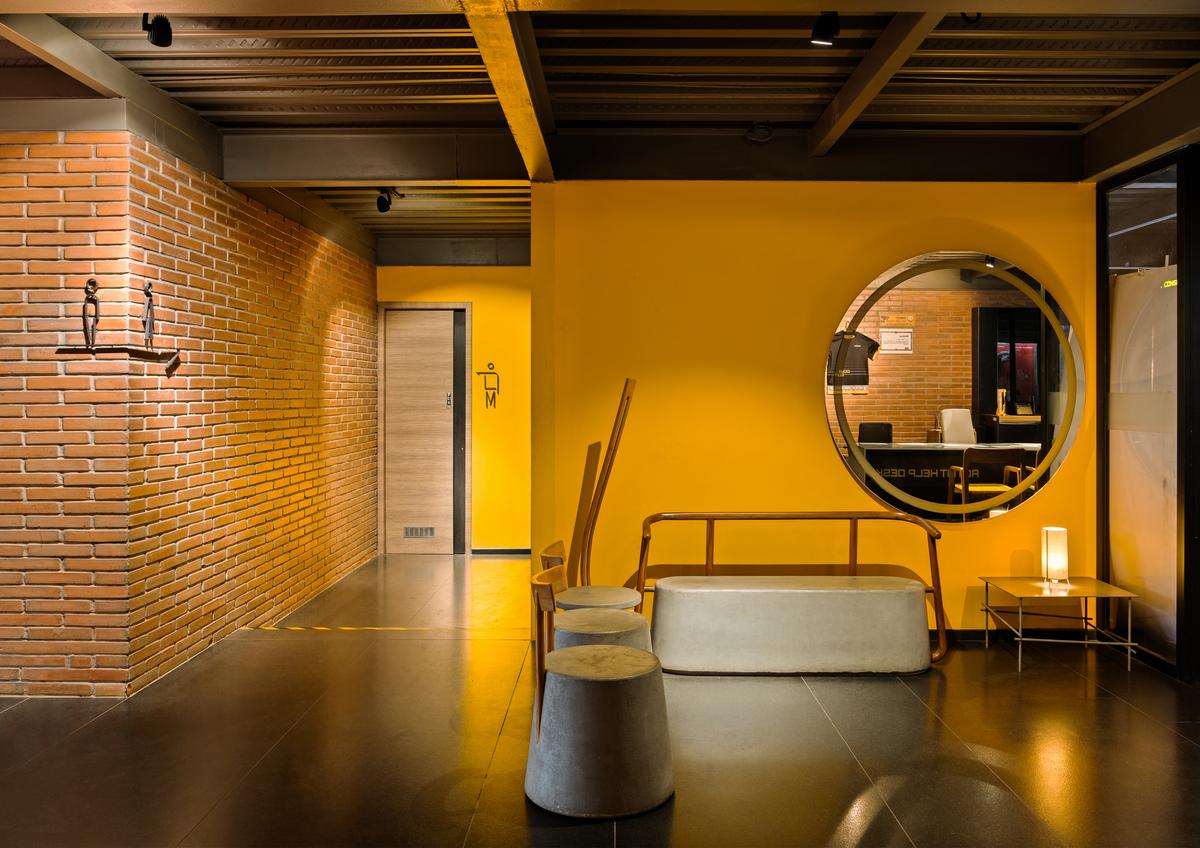
Entrance lobby
For instance, Bengaluru’s Actfit Arena, designed by DS2 Architecture, is envisioned as a multi-layered recreational environment rather than a single-purpose sports complex. “The programme includes five Olympic-grade, badminton courts, a fully equipped gymnasium, table tennis facilities, dance and zumba studios, martial arts zones, a clinic and recuperation area, conference, spaces, and a cafeteria,” adds Haris.
Smart and data-rich
The ‘smart stadium’ is now the baseline expectation with technology woven into architecture. High-speed connectivity, 5G, sensor networks, digital wayfinding, etc are becoming important.

Mueen Haris
Net-zero and low-carbon thinking are no longer just ‘nice to have’. There is an increasing use of solar roofs, recycled and low-embodied-carbon materials, rainwater harvesting, on-site wastewater treatment, and highly efficient lighting and HVAC systems.
“In Actfit Arena, there is an intricate assemblage of reclaimed elements: bricks from the original workers’ quarters form court walls, MS purlins from the old roof support gallery seating, and repurposed timber, marble, fabric, and fixtures populate interiors with quiet consistency,” adds Haris.
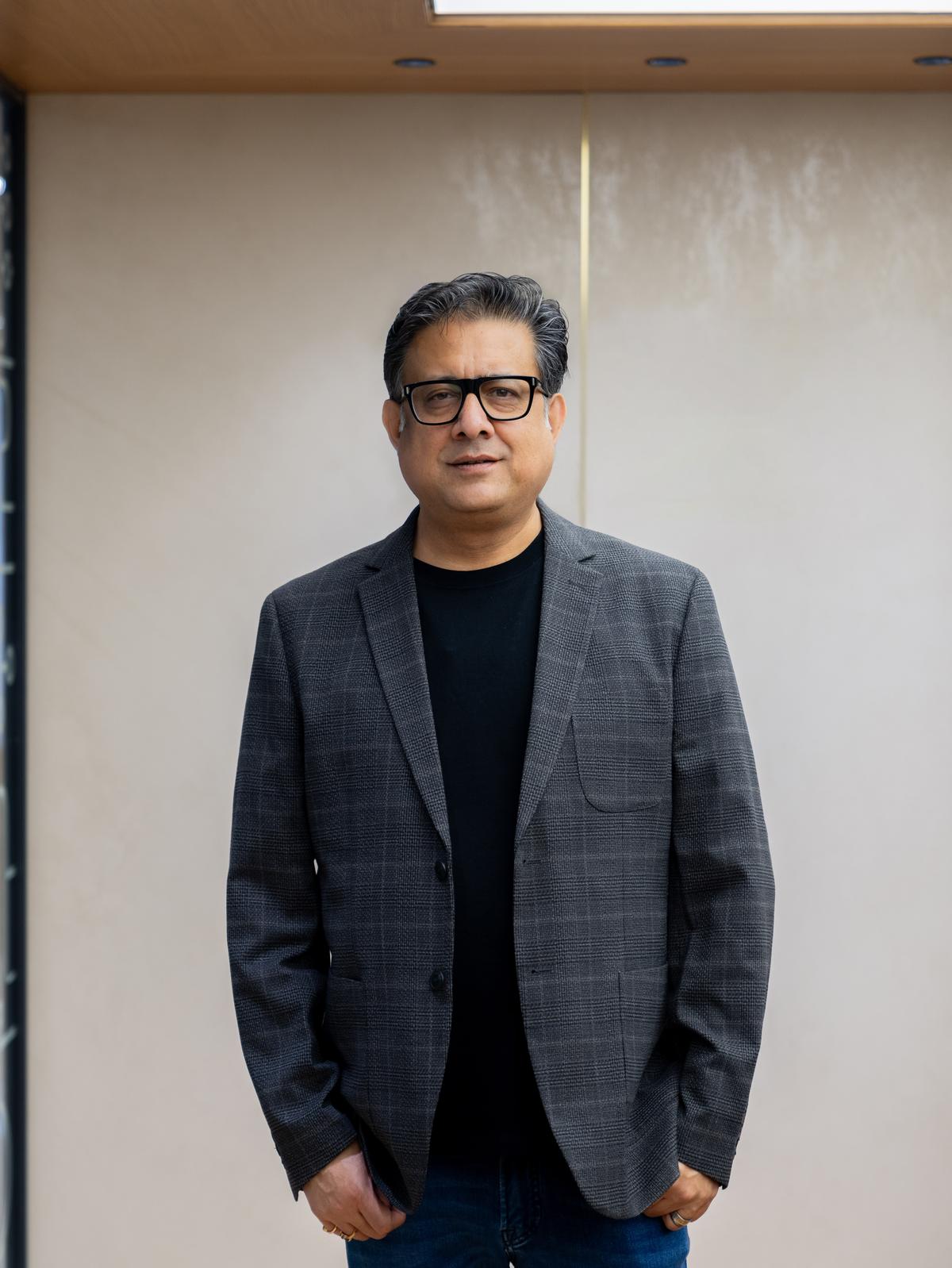
Bakul Chandra
Given that high-performance training and recovery are critical, architects integrate sports science labs, data-enabled training surfaces, specialised rehab and recovery zones, apart from psychologically calm “back-of-house” spaces where athletes can focus.
Surfaces, lighting, acoustics, and even micro-climate are tuned to reduce injury and support the discipline and emotional arc of the sportsperson.
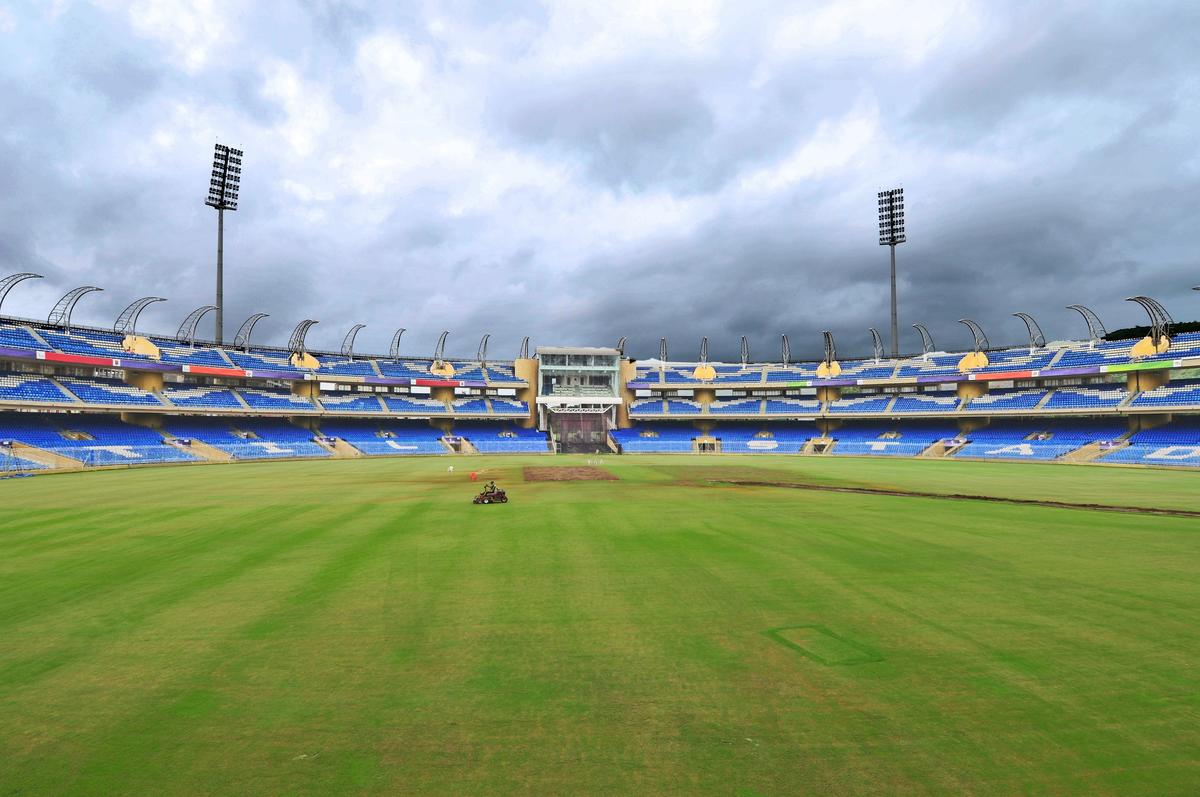
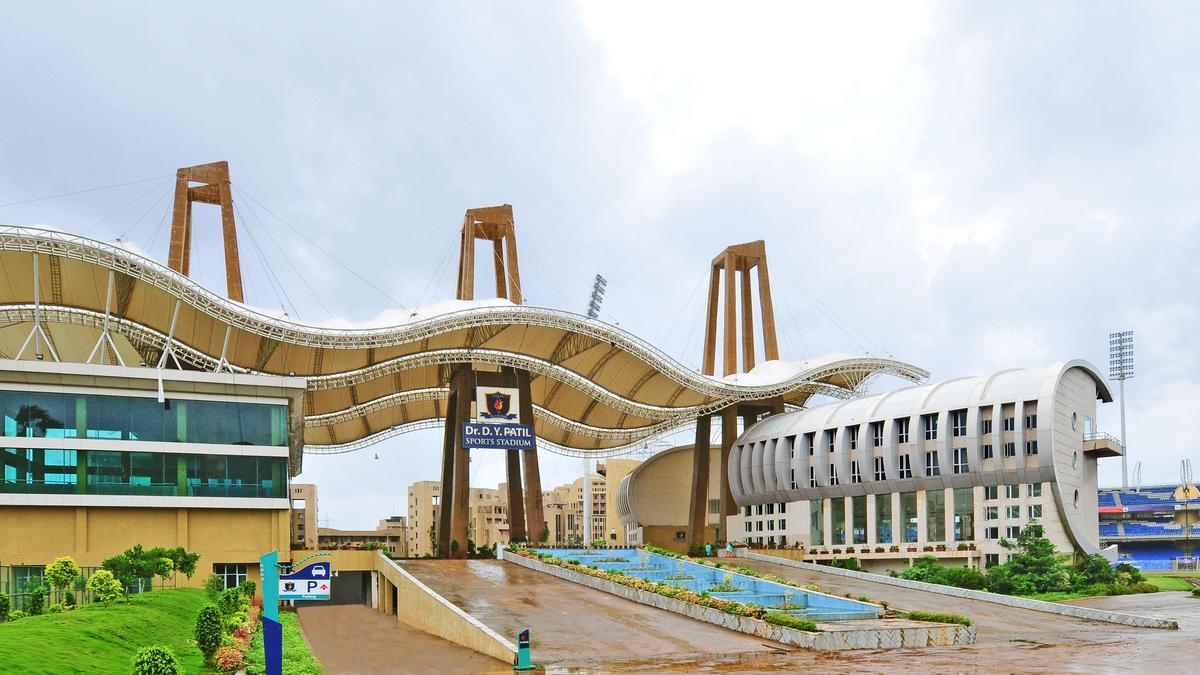
DY Patil Stadium as seen from the ground.
| Photo Credit:
Noshir Gobhai
Tier II cities
There is now heavy impetus on sports infrastructure development in Tier II cities due to initiatives like Khelo India, a national programme to improve India’s sporting culture at the grassroots level. IPL, of course, changed the economics, the audience and the ambition of Indian sport.
Once people experienced that format, other leagues like ISL and Pro Kabaddi followed. Cities like Puducherry, Nasik, Nagpur, Coimbatore, Bhopal and Guwahati are showing major development.

Manish Gulati
Thus, the best sports facilities are no longer monuments you visit once in a while — they are living infrastructure that athletes grow up in, communities identify with, and cities use as proof of their aspirations. “Sports projects sit at the intersection of performance, crowd behaviour, climate, security and emotion. The margins for error are tiny, but the impact is huge. That makes sports facilities one of the most challenging and meaningful typologies to work on today,” concludes Gulati.
The Bengaluru-based freelance writer is passionate about all things design, travel, food, art and culture.