




Combating disability-borne dependence – The Hindu
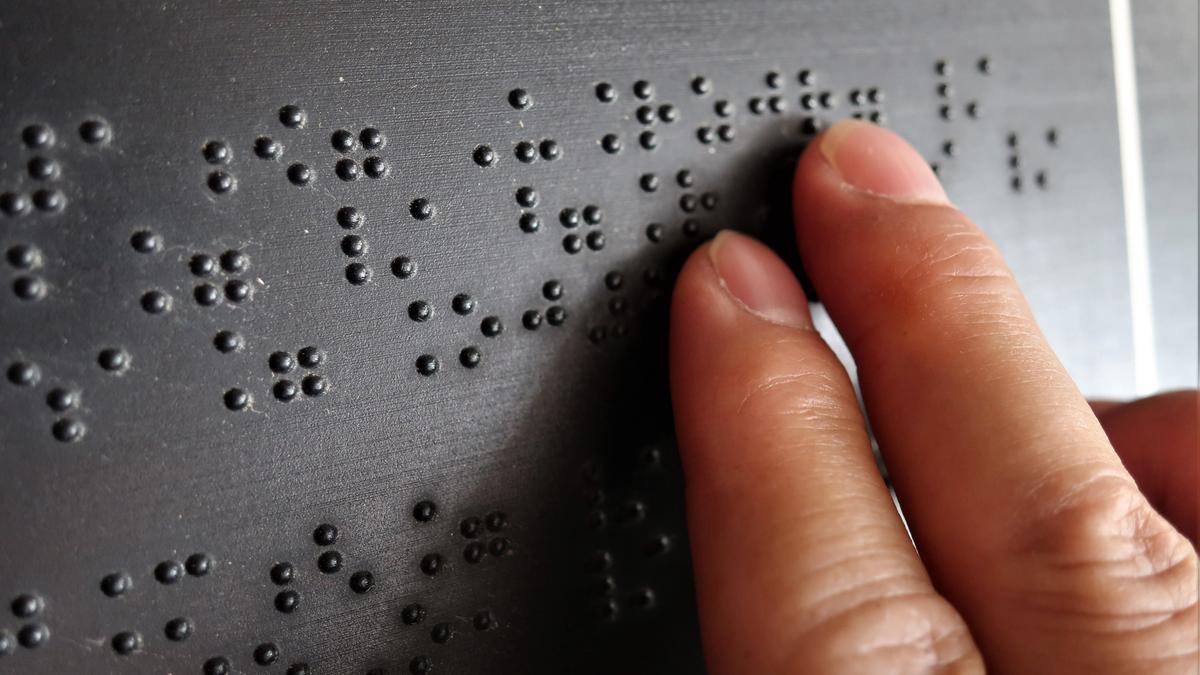
Multiplying online and digital platforms need to be designed in a way that all their functionalities and features can be accessible from the start through screen readers.
| Photo Credit: Getty Images/iStockphoto
Disability rights activists and scholars have spoken at length about the need to provide inclusive and accessible spaces. These can be physical, on-the-ground spaces, as well as those that exist virtually in the form of online, digital spheres. A cornerstone of the disability rights discourse is that these spaces must be available to all irrespective of different bodily capacities and conditions. Buildings, markets, parks and so on need to be upgraded with supportive infrastructure. Likewise, multiplying online and digital platforms need to be designed in a way that all their functionalities and features can be accessible from the start through screen readers such as JAWS and NVDA. This adaptability to screen readers should be an inherent part of their design, rather than being a later, often hastily and insufficiently inserted add-on.
To be sure, concepts such as universal spatial design, which emphasise the criticality of providing supportive infrastructure, receptive to and accommodative of different bodily capacities, have gained ground. In conversations and campaigns seeking to enhance accessibility for the disabled, the focus has increasingly shifted towards finding solutions in emerging technologies. The thrust is largely on building enabling infrastructure and assistive technologies. These efforts are well-intentioned, of course, and are presented as concrete, viable responses to the dependence and dysfunctionality emanating from different physical disabilities.
Published – April 09, 2026 12:20 am IST