



Climate change reshaping disease patterns, straining health systems, finds report
Climate change is emerging as a major public health threat in India, reshaping disease patterns, straining healthcare systems, and placing nearly 40% of districts at high risk from extreme weather events, according to a new report.
The report, Under the Weather: India’s Climate-Health Intersections and Pathways to Resilience, by Dasra, a philanthropy fund organisation, highlights how rising temperatures, erratic rainfall, floods, and cyclones are no longer isolated events but part of a continuous cycle of disruption affecting health, livelihoods, and access to care across the country.

Changing disease landscape
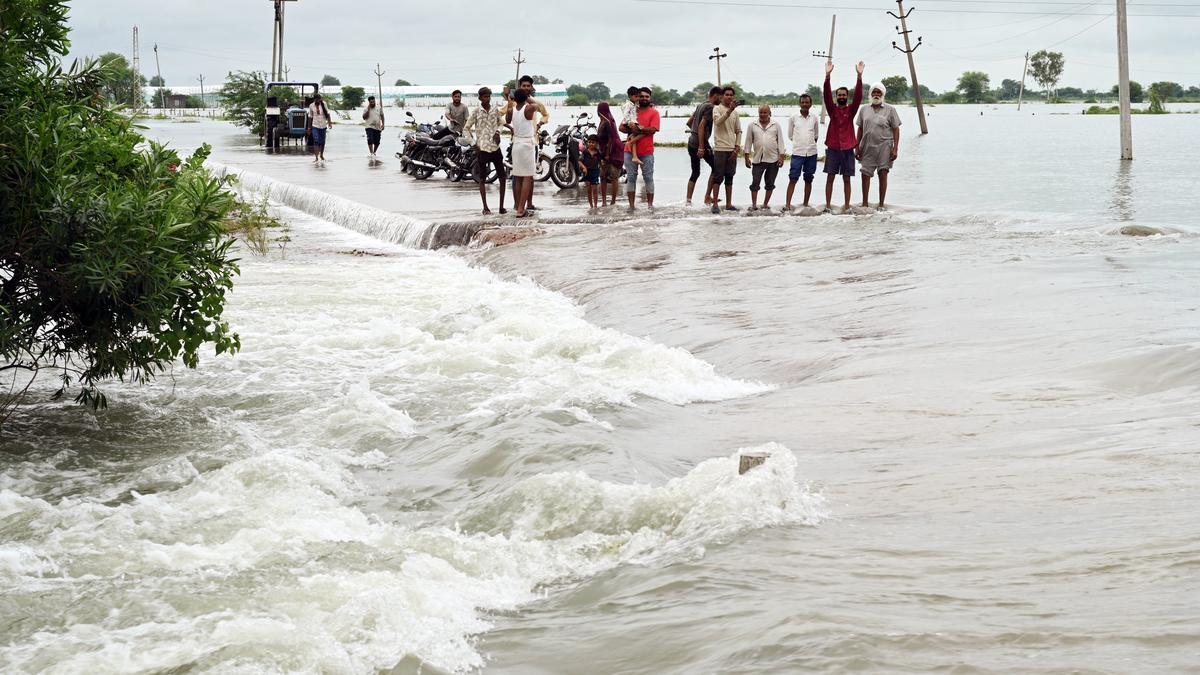
Extreme weather events in India are increasing in frequency and intensity, bringing both immediate and long-term risks, the report notes. Floods trigger outbreaks of water-borne diseases such as cholera and hepatitis, while heatwaves lead to dehydration, heatstroke, and increased cardiovascular stress.
The report says climate change is altering how diseases spread. Warmer temperatures and shifting rainfall patterns are expanding the range of vector-borne diseases such as dengue and malaria into new regions. Areas that were previously unaffected, including Shimla, parts of Jammu & Kashmir, and the Himalayan foothills, are now reporting cases. The report also identifies Pune as a major dengue hotspot, with cases expected to rise further.
Non-communicable diseases are also linked to climate stress. Heat exposure has been associated with higher cardiovascular mortality, while worsening air pollution contributes to respiratory illnesses and chronic conditions. Climate change, the report says, is acting as a “health-risk multiplier”, increasing both disease burden and pressure on healthcare systems.

Unequal burden
The impact is not evenly distributed. Vulnerable communities — including rural populations, informal workers, women, and children — face the greatest risks. These groups are often the least equipped to cope with climate shocks, deepening existing inequalities.
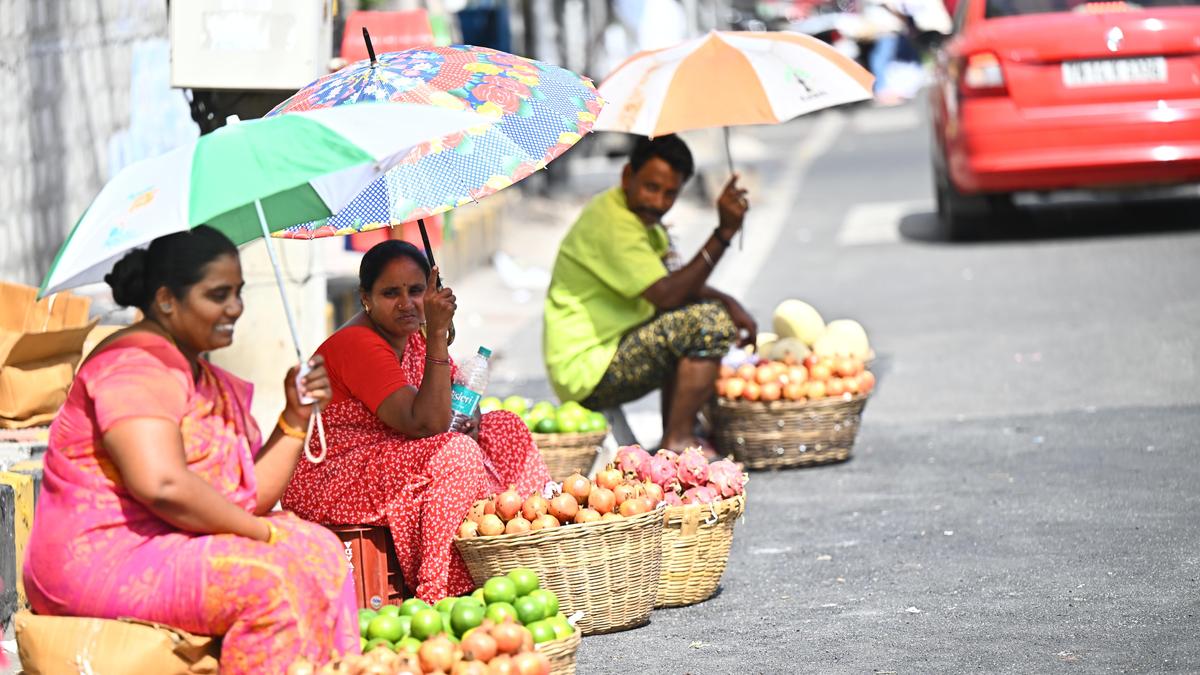
Extreme heat, for instance, reduces labour productivity and increases health risks for outdoor workers. The report notes that India lost an estimated 160 billion labour hours due to heat exposure in 2021.
Women and children face heightened risks from climate-related health impacts. The report notes that exposure to extreme heat is linked to a 16% increase in the odds of preterm birth during heatwaves, with risks rising further for every 1°C increase in temperature.

Air pollution, particularly fine particulate matter (PM2.5), has been associated with hypertensive disorders in pregnancy, including pre-eclampsia, as well as increased gestational blood pressure.
As infants and young children have limited ability to regulate body temperature, it makes them more prone to heat stress, dehydration, and respiratory illnesses. Exposure to air pollution is also linked to low birth weight, asthma, and reduced lung function, the report says.
Climate disasters also disrupt access to healthcare. Floods and cyclones can damage hospitals, cut off roads, and interrupt the supply of medicines and vaccines. In remote areas, even a small disruption can leave communities without access to basic services.
Beyond direct health impacts, climate change is also affecting livelihoods and economic stability. Rising healthcare costs, loss of income, and reduced productivity are creating a cycle of vulnerability, particularly for those already at risk.

Efforts taken
Despite these challenges, the report highlights growing efforts to address the climate-health link. Over the past decade, India has begun to move from broad climate policies to more targeted approaches that recognise the connection between climate and health. Initiatives such as the National Action Plan on Climate Change and Human Health and state-level action plans are helping shape local responses. Heat Action Plans, which include early warnings and preparedness measures, are now being implemented in several cities and districts.
The report says that many non-governmental organisations are also introducing innovative solutions such as solar-powered health facilities, AI-based disease tracking, and decentralised healthcare delivery. These efforts are helping communities adapt to both immediate shocks and long-term climate risks.

Challenges ahead
However, the report identifies several challenges, including a lack of local, disaggregated data linking climate events to health outcomes, limiting targeted interventions. Funding for adaptation remains constrained and skewed towards mitigation, while weak public awareness and fragmented data systems further hinder effective response. Grassroots organisations also face barriers in accessing funds, particularly in highly vulnerable but underfunded regions, the report notes.
The report calls for stronger collaboration between government, civil society, and the private sector, along with greater investment in local data systems and climate-resilient healthcare infrastructure. It also calls for placing health at the centre of climate policy, rather than treating it as a secondary concern.
Published – April 06, 2026 04:50 pm IST