


China Just Banned One Of The Most Controversial Car Features Ever
- China has officially banned hidden and concealed car door handles on electric vehicles in a world-first safety policy.
- The regulation takes effect Jan. 1, 2027, with a grace period until 2029 for models already approved. EVs and other cars sold there will soon require exterior and interior handles with mechanical releases to improve emergency access.
- The move impacts many EVs popular in China, including Tesla, but will likely affect global automotive safety standards.
Electric vehicles may be the future, but the door handles they pioneered now have more of an expiration date than ever.
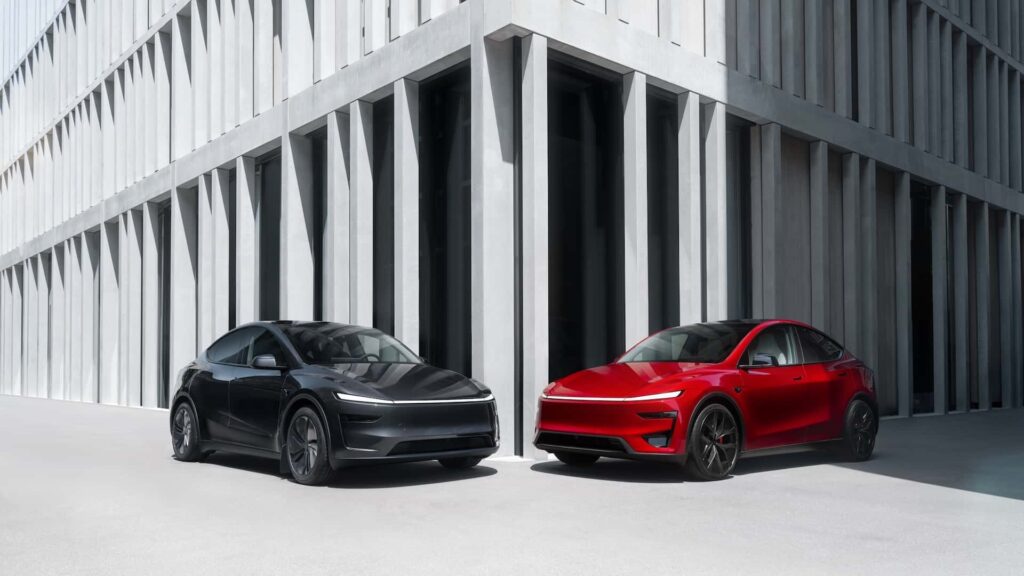
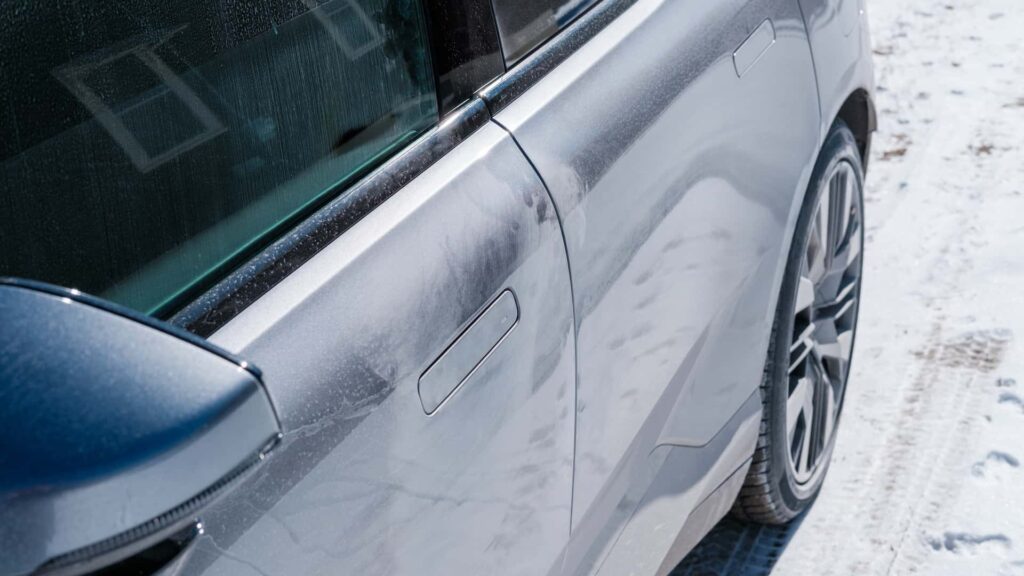
Following a growing spate of global safety concerns, China has formally banned the kinds of flush, hidden door handles popularized by Tesla and other EVs. Automakers in the world’s largest new car market have until January 2029 to change their designs, Bloomberg reported today.
While the Chinese government spent much of last year investigating safety concerns related to the door handles, the move by the country’s Ministry of Industry and Information Technology formally puts an end date on the controversial design feature. And although the move only impacts China’s car market, its sheer size and importance to the global auto industry—and safety issues elsewhere in the world—could mean a shift away from the door design.

Photo by: Patrick George
Concealed car door handles date back to the 1940s and ’50s, where they were used on road cars to simulate the aerodynamic features and overall style of many race cars. (The legendary Mercedes-Benz 300 SL Gullwing had doors like this, for example.) But in the modern era, they were popularized by the Tesla Model S, both to boost EV range by reducing aerodynamic drag and to create a futuristic “feel” to the cars. That design ethos quickly spread across the rest of the industry, and especially with EVs—as did the idea of removing a mechanical linkage to the door locks while relying on electronic switches to reduce costs.
But this design shift carried several unfortunate consequences, mainly because flush-mounted electronic door handles can fail to pop out or unlock the doors if a car loses power. Over the past few years, Tesla and other automakers that use them have come under fire when passengers have struggled to get into their cars or escape from them in the event of a crash.
First responders have often struggled to access the cars in emergencies as well. Bloomberg’s own investigations have found more than 140 consumer complaints to U.S. auto safety regulators related to door handles on various Tesla models, and the outlet has linked them to 15 traffic deaths.
Some Tesla owners have even begun carrying devices to help them escape from their cars in the event of a fire, or added cords or other retrofits to the handles. Ford and Fisker are among the other automakers that have also issued recalls due to failing or faulty electronic door handles.
In China, power failures reportedly prevented emergency crews from opening the doors of two Xiaomi EVs, leaving their passengers to die in fiery crashes.
Tesla design chief Franz von Holzhausen said not too long ago that the company would tweak its interior door handles to make the mechanical releases easier to use. And Volvo is taking a similar approach.
Photo by: Patrick George
Beyond the safety issues, these types of door handles are ultimately just not an ideal design. My own Kia EV6 has handles that can freeze in the winter, for example, and I have had passengers with bad arthritis who are unable to even get them open. (Kia has since made the handles pop out when the doors are unlocked across the entire EV6 lineup.) Ultimately, any gains in efficiency and style may just not be worth it.
Now the auto industry has to pivot. Bloomberg estimates that entire model lineups in China could incur tens of millions of dollars in costs to change the designs on existing and upcoming models. In that country, the new door handle rules mandate a recessed space large enough for a hand to grasp, and small signage inside indicating how to open them, as well as where handles need to be placed.
Automakers may not have a choice but to do the same elsewhere if European and U.S. regulators crack down as well. And more regulations may be on the way: A new bill in Congress, the SAFE Exit Act, was introduced last month to push for federal standards for electronic door handles.
“Profits and, least of all, style, should not come before people’s lives. Elon Musk and his Tesla designs are not safe, nor efficient, and [they have] cost people their lives,” said Rep. Robin Kelly, D-Ill., the bill’s author. “When crashes or power loss leave drivers and passengers trapped inside their own cars, that is not innovation—it’s a safety failure.”
Contact the author: patrick.george@insideevs.com