

Charged EVs | UK government funds 484 new electric buses in 10 English regions
The UK may not be in the first ranks of EV hotspots with Norway and The Netherlands, but Albion is moving ahead with electrification far faster than some other countries we could name. On the streets of London, electric buses, taxis and rideshare vehicles are common sights, as are curbside EV charging stations.
The UK government, however, has sometimes been criticized for directing the lion’s share of support to London and the Southeast, to the detriment of other regions. So it’s refreshing to see that the latest round of funding for electric buses will be spread among several English districts.
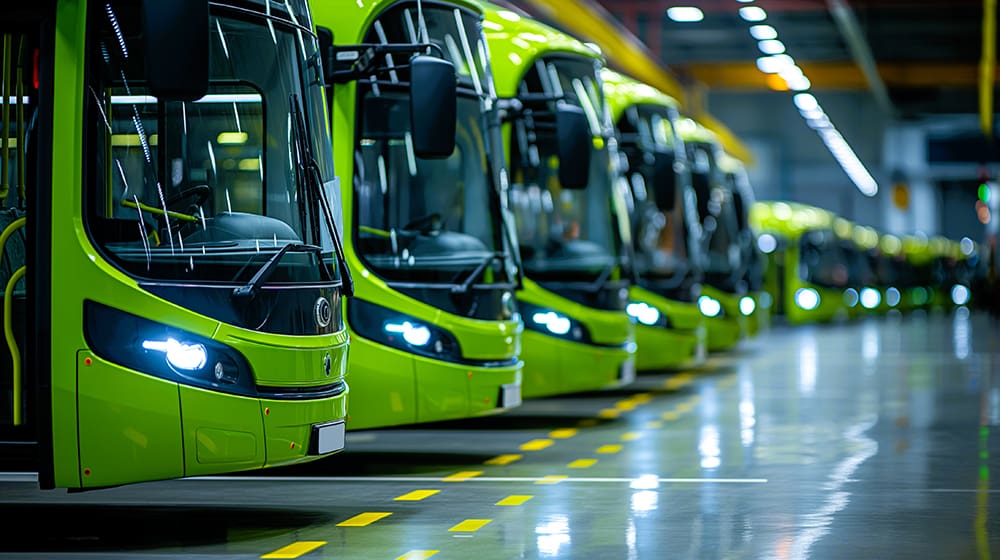
The new funding, most of which is structured as extensions of existing Zero Emission Bus Regional Areas programs, includes £73.2 million from the UK government and £94 million from operators and local authorities, bringing total investment to over £167 million. The dosh will be used to procure some 484 zero-emission buses, as well as charging infrastructure.
The South Yorkshire Mayoral Combined Authority (SYMCA) will receive the largest share, £33.4 million, to support 186 battery-electric buses in Sheffield.
Funding allocations:
- South Yorkshire—£33.4 million (186 buses)
- Tees Valley—£11 million (82 buses)
- Devon—£7.53 million (90 buses)
- Liverpool—£7.3 million (36 buses)
- Isle of Wight—£3.67 million (23 buses)
- North East—£3.6 million (18 buses)
- Reading—£3 million (17 buses)
- West Northamptonshire—£2.2 million (17 buses)
- Nottinghamshire—£1 million (11 buses)
- Surrey—£0.5 million (4 buses)
“Buses are the backbone of our public transport system, and passengers deserve a network of well-connected, affordable routes, that they can rely on,” said Secretary of State for Transport Heidi Alexander. “This funding will replace polluting diesel buses with new electric vehicles…It’s about cleaner air for children walking to school and reliable connections for people getting about their daily lives.”
Sources: Route One, Sustainable Bus