



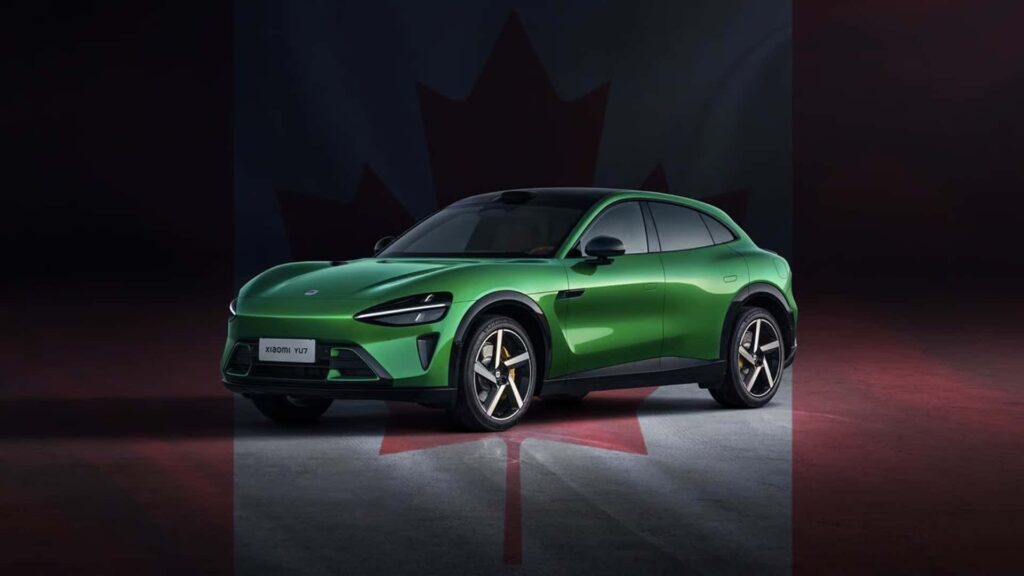
Canada’s Chinese EV Deal Doesn’t End With Imports
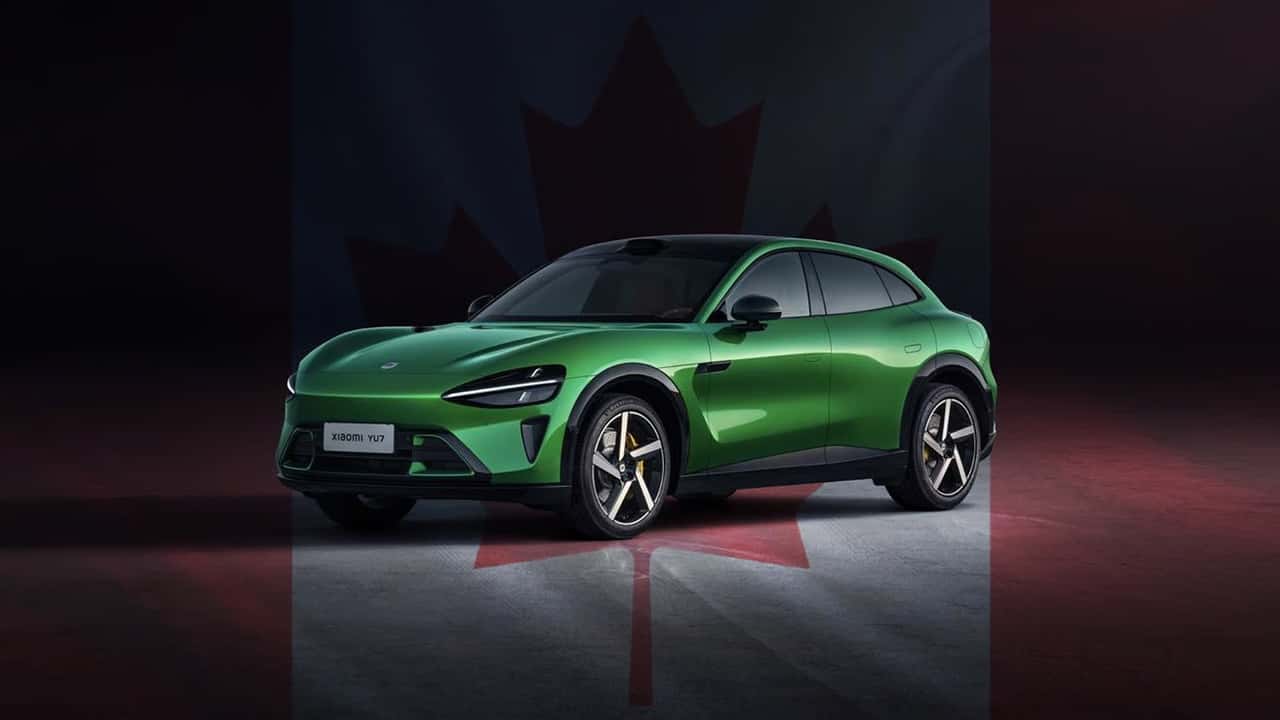
Canada is thinking about doing something that would have been politically radioactive not long ago: building EVs with China.
That’s right—not importing them, but actually building them on Canadian soil with Canadian suppliers, then exporting them to the rest of the world.
The must-read auto and tech briefing hits your inbox every weekday morning.
Bloomberg shares some thoughts from Canadian Industry Minister Mélanie Joly:
Canadian auto parts firms such as Magna International Inc., Linamar Corp. and Martinrea International Inc. already have operations in China, and could participate in a joint-venture assembly plant in Canada.
“We believe that these great Canadian champions can partner with Chinese EV companies to make a Canadian-Chinese car to export it around the world,” Joly said in an interview with Bloomberg News on Friday.
[…]
The minister argued that a co-created EV could still be competitive globally despite the higher labor costs of building in Canada compared to China. She pointed to Honda Motor Co., which builds its affordably priced Civic car in Ontario, as an example. “We can find a way to square the circle,” she said.
That’s a pretty sharp pivot from a country that only months ago had a 100% tariff on Chinese cars to mirror the U.S. After all, it heavily collaborated with its neighboring automakers in Detroit, like General Motors and Ford—but after some politically-charged fallout, that relationship has gone belly-up and the import duty fees against China dropped.
Zoom out a bit and things start to make more sense.
Canada’s auto sector is now squeezed from multiple directions. Between tariffs from the U.S., stalled investments from legacy automakers and a global EV market dominated by Eastern automakers like BYD, the Great White North has recognized that betting only on the States is a single point of failure that it just can’t risk.
Now the bigger question will be whether a Canadian-Chinese car will be both competitive and politically palatable. But the fact that Canada is at least willing to consider the idea (and publicly, at that) should show how quickly the automotive chessboard is shifting.