



Canada Just Unveiled Its Boldest EVs Yet
- Canada’s Automotive Parts Manufacturers’ Association (APMA) unveiled two new electric car concepts.
- The Vector and Borealis EVs are part of the Project Arrow initiative, which wants to show the world that Canada can make EVs without external help.
- Both concepts feature a 3D-printed chassis and self-driving capabilities–at least on paper.
Canada made headlines recently, after it ditched the 100% import tariff on Chinese-made electric cars. But an influx of cheap EVs won’t stop Canada from developing its own battery-powered vehicles, putting its extensive network of automotive suppliers to good use.
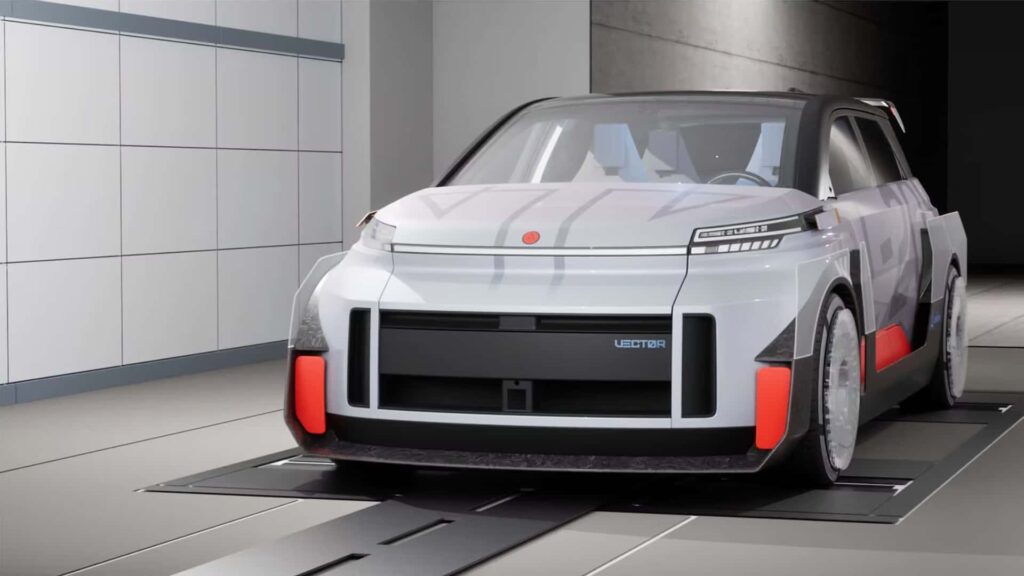
To prove its might, the country’s Automotive Parts Manufacturers’ Association (APMA) just unveiled two new concept cars at the 2026 Canadian International AutoShow (CIAS). Dubbed the Vector and Borealis, the two EVs are part of the Project Arrow initiative that kicked off in 2023 with the simple goal of showing the world that Canada has the necessary supply chain to build modern electric cars for everybody.

Photo by: APMA
Just like the 2023 concept, the new Project Arrow Vector and Borealis are Canadian-designed, engineered and built. The Vector builds upon the original show car with a more dramatic body and a higher output, now rated at 650 horsepower, up from the previous model’s 550 hp.
According to the APMA, the chassis was formed using AI and then 3D-printed with a blend of polymers and aluminum. Meanwhile, the estimated driving range is 341 miles (550 kilometers), and the concept is reportedly equipped with Level 3 automated driving functions, which allow for hands-off and eyes-off driving. According to the parts manufacturers’ association, “Vector represents a near‑term innovation platform engineered to demonstrate commercially scalable Canadian technologies aligned to the 2030 mobility environment.”
Photo by: APMA
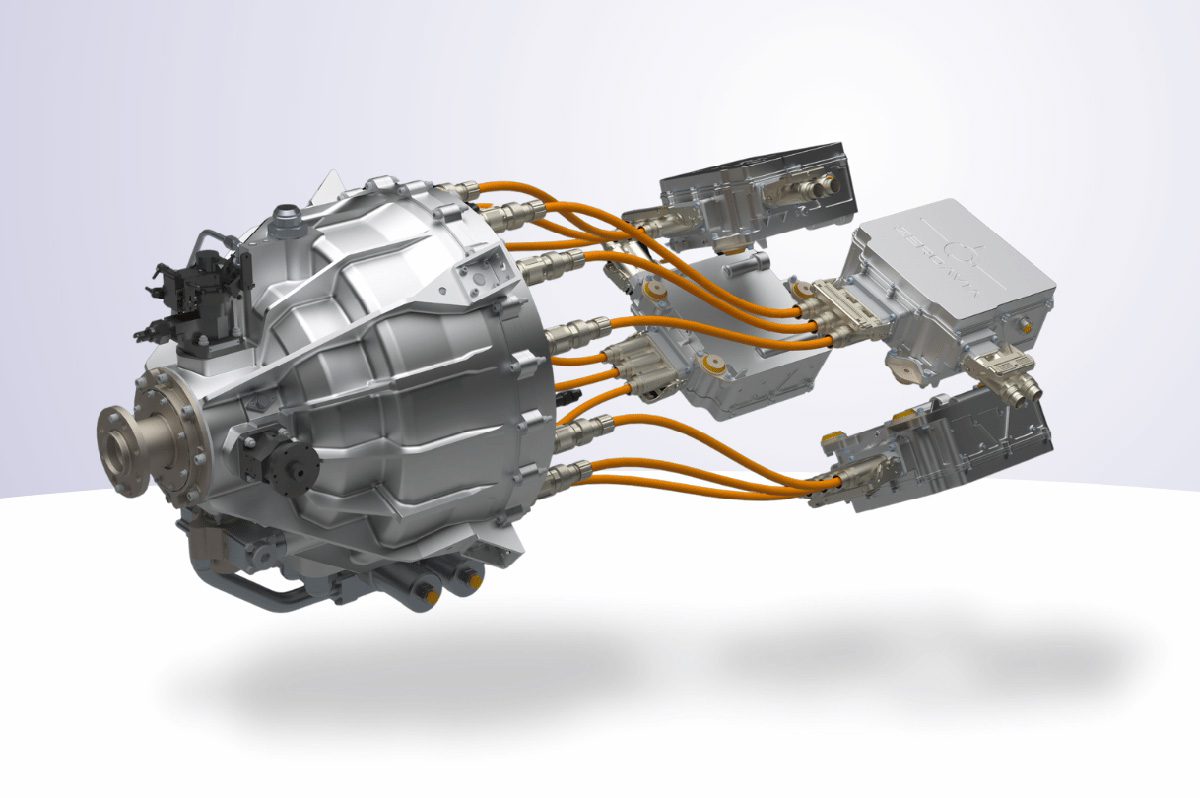
Then, there’s Borealis, a skeleton-like EV that was designed to showcase what the Canadian automotive supply chain can provide for the next decade’s cars. Again, we’re talking about a 3D-printed chassis, but this time it’s a metal-alloy construction, and the powertrain is also apparently 3D-printed. A Level 5 fully autonomous driving system is in the cards, as well as a communications system that integrates with whatever smart features the cities of the future will offer. As for the driving range, the concept’s creators envision around 932 miles (1,500 km).
The second phase of Canada’s Project Arrow is being built in partnership with Ontario Tech University as the program’s lead partners, and over 80 Canadian automotive suppliers and partners have collaborated to bring the Vector and Borealis prototypes to life.
9
Source: APMA