




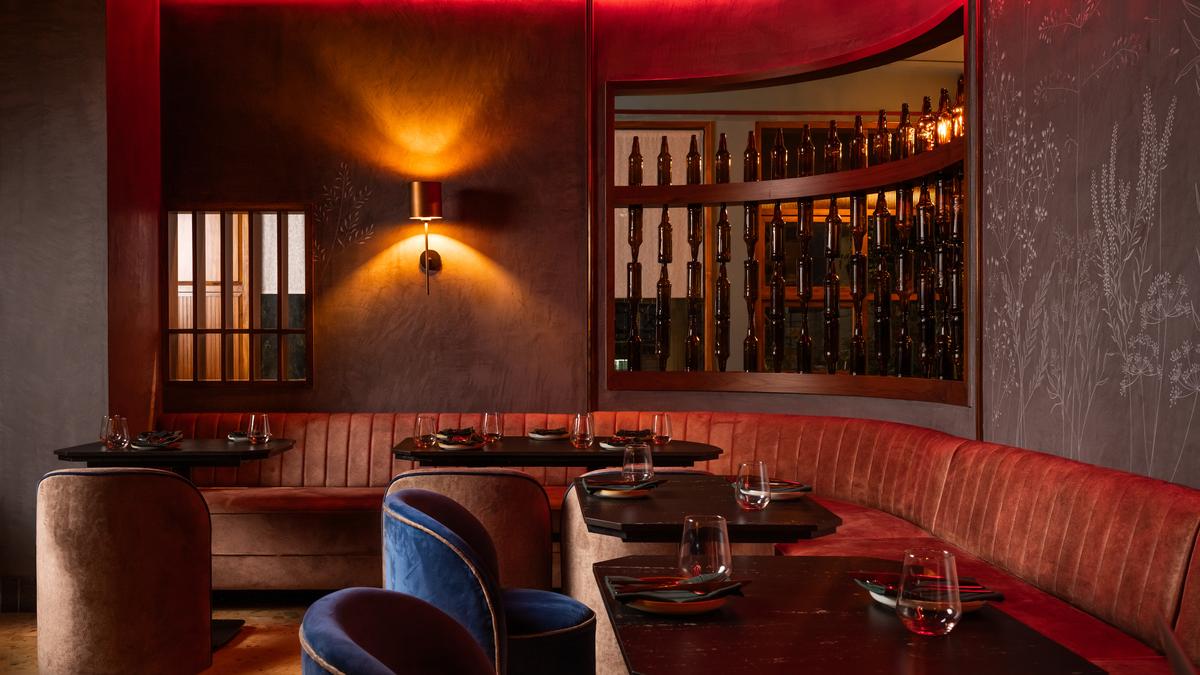
Blueprints for a buzz: 6 architectural firms redefine the Indian bar
Walking into any of the recently designed watering holes is like entering into an immersive environment where architecture, lighting, music, and cocktails come together to create a thematic narrative that is as interesting as it is unique. These high-character spaces are defined by the generous use of bold colour palettes, art, handcrafted elements, and thematic storytelling.
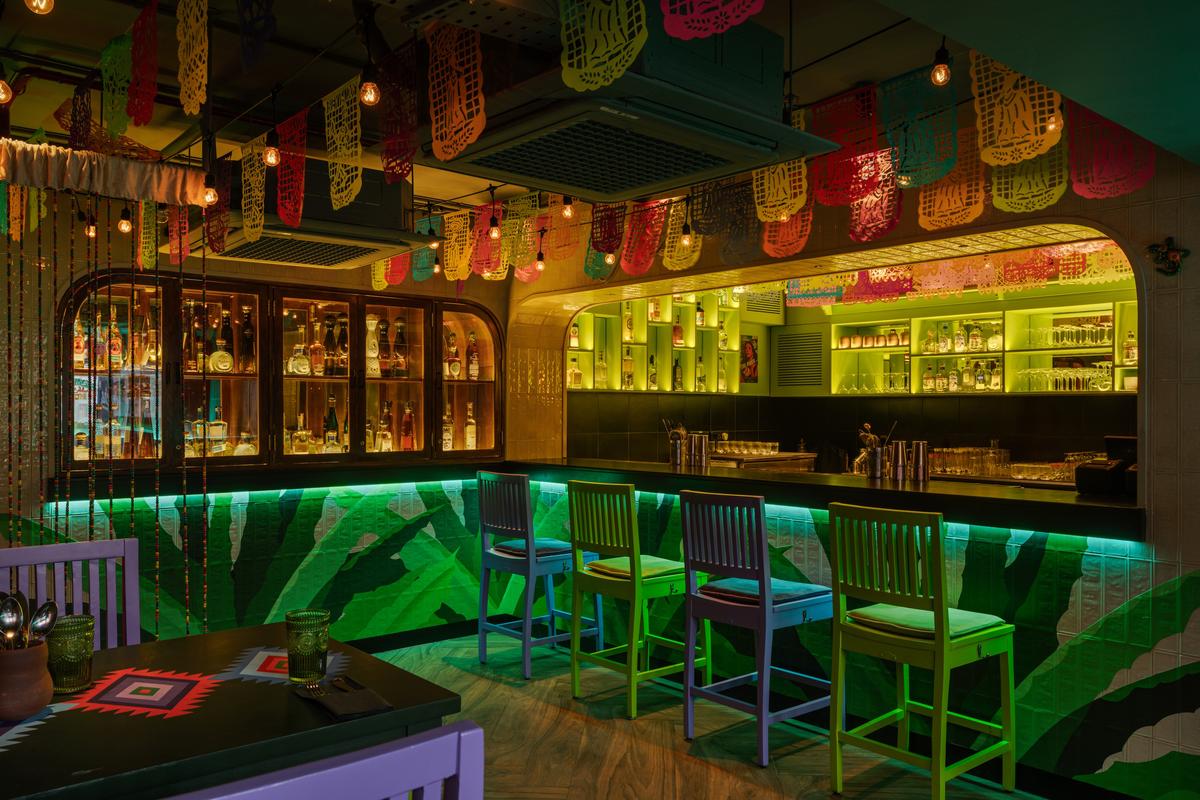
Mezcalita in Bengaluru.
| Photo Credit:
Shamanth Patil
Unlike many other hospitality spaces, a bar must simultaneously operate as a place for social interaction, performance, and personal moments.
Key trends
One of the most important considerations while designing a bar is circulation and spatial planning. “A well-planned layout ensures that movement remains fluid and intuitive, even during peak hours. The bar counter itself becomes the central anchor of the space,” says Manav Dangg, principal architect of New Delhi’s Studiio Dangg.
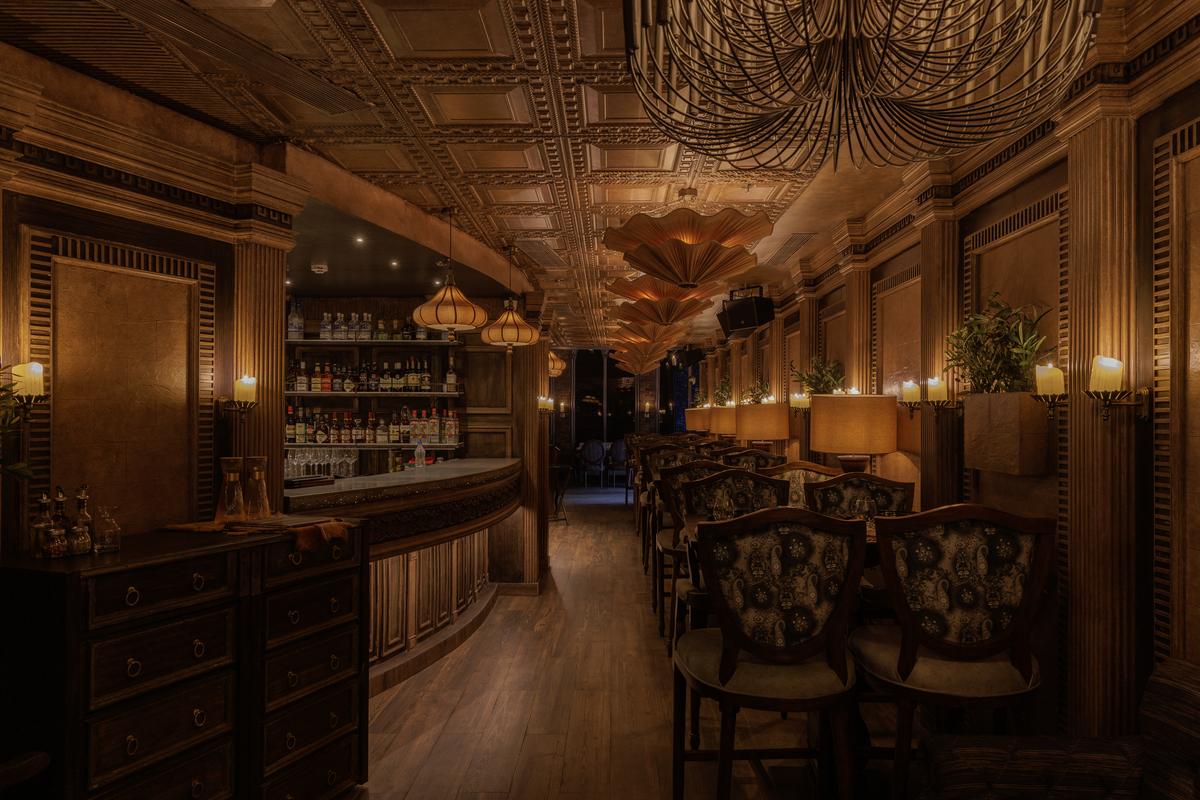
A perspective of the sleek, curved bar by Jade Design Studio.
Bar design in 2026 is increasingly driven by experience and storytelling. Rather than creating neutral interiors, designers are focusing on specific themes, whether it is a city-based theme, a design inspired by a specific structure, such as a gothic mountain chalet, or even a nostalgic theme.
“Instead of uniformly lighting the space, designers often introduce soft ambient lighting combined with focused highlights that accentuate architectural features, bottle displays, and seating areas. Acoustic performance also plays a critical role, especially in bars that host live performances or DJ sets,” adds Dangg. Thus, materials, surfaces, and spatial planning must help manage sound levels so that the music enhances the atmosphere without overwhelming conversation.
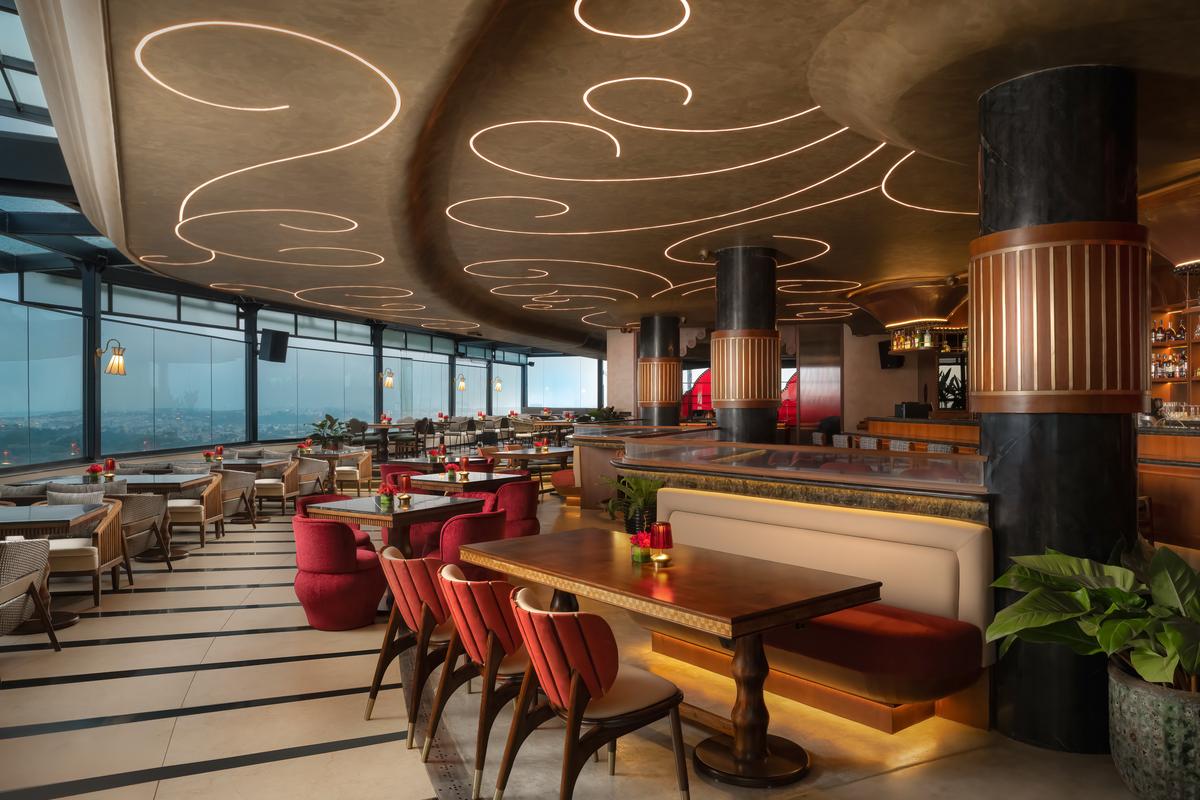
Sculptural ceiling lines ripple across the dining space, framing warm seating against the Bengaluru skyline.
| Photo Credit:
ARJUN KRISHNA
There is an increase in the use of long benches, shared seating arrangements, and extended bar counters that facilitate interaction among guests. And atmospheric lighting, which uses strategic pools of light to highlight specific elements while leaving other areas in shadow, is in vogue. “Ultimately, the design should communicate a coordinated narrative while delivering comfort, efficiency, and a calibrated energy that evolves through the day and night,” says Bilal Ghaswala, AVP projects, Impresario Hospitality Group, Mumbai. “Micro-details, custom graphics, joinery, furniture, and lighting fixtures all help anchor the identity and elevate memorability.”
So, here are some recently designed avant-garde watering holes.
Rusty reverie
No Vacancy, Studiio Dangg, New Delhi
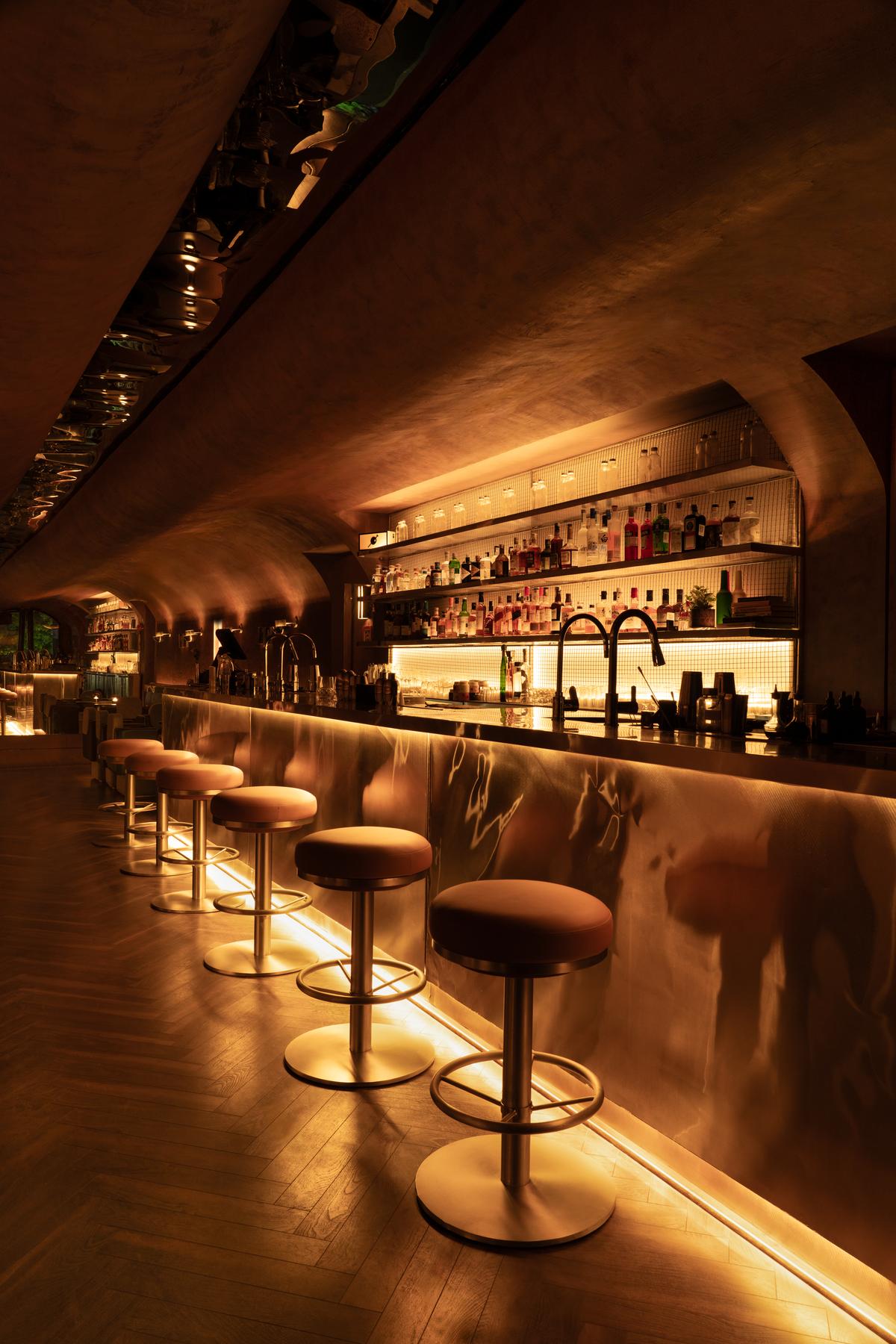
A view at No Vacancy, Studiio Dangg.
No Vacancy, spanning 1,500 sq. ft., is set within a long, narrow site, a spatial condition that became the starting point for the design concept. “The narrative of the space draws inspiration from the aesthetics of an industrial steel tube, combining the atmosphere of an experimental laboratory with the informality of a dive bar,” says Dangg.
Manav Dangg
The colour palette is warm and earthy, mainly due to the use of corten steel, which gives the walls and ceiling a rich, textured finish in deep rust and brown hues.
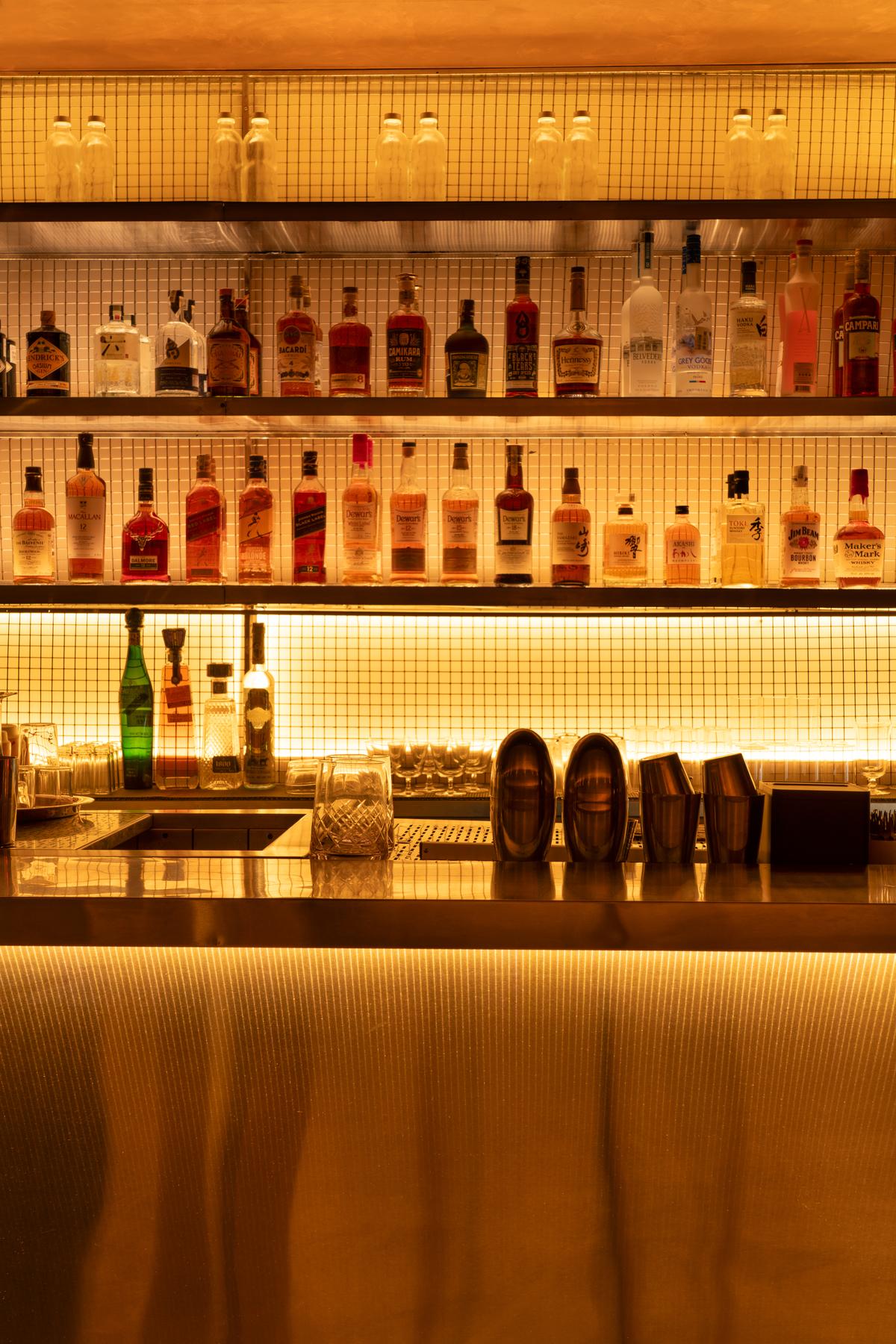
Layered shelving with a textured, backlit backdrop.
This warmth is balanced with the use of stainless steel across key elements such as the bar counter, shelving, and ceiling details. The contrast between these two materials (corten steel and stainless steel) creates a clear visual language. “The flooring is laid in a herringbone pattern, adding a layer of detail and directionality underfoot while staying within the same warm tonal family. Stainless steel elements, including the bar front and ceiling spine, reflect light and movement, making the space feel more dynamic,” states Dangg. “Acrylic panels with embedded mesh at the bar introduce another layer of texture while maintaining the industrial character. Basically, every element supports the elongated volume, which becomes the central narrative of the design.”
Gothic glow
Luna Et Sol, Jade Design Studio, Mumbai
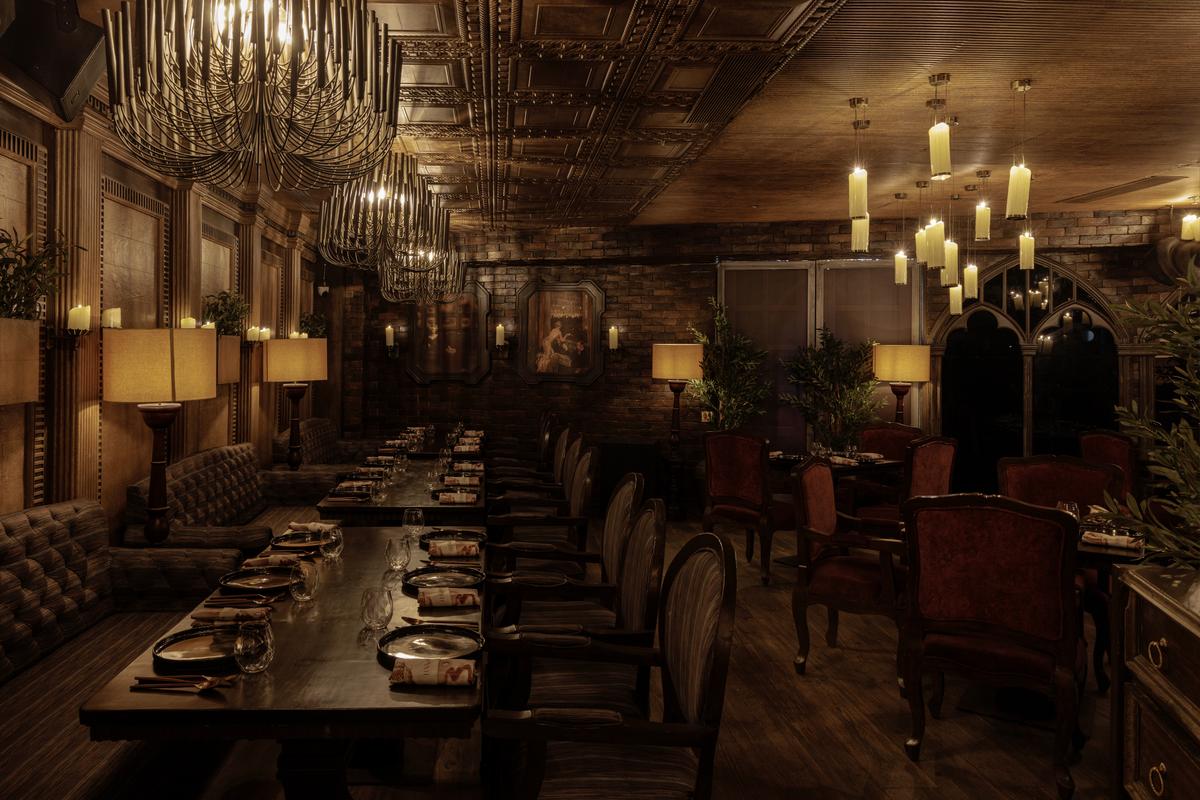
The main dining hall.
Luna Et Sol, a 3,400-sq.ft. bar, is conceived as a gothic mountain chalet transported straight into the heart of Mumbai. “The name translates to ‘The Moon and The Sun’ in Latin, and the space has been designed to allow guests to witness the passage of time through an ever-changing sky. A custom overhead screen simulates daylight transitioning to dusk and night,” says Vaishali Singh, co-founder, Jade Design Studio, Mumbai. The semi-elliptical bar offers guests clear views of a curated drinks display that resembles an old-world cellar, evoking heritage and ritual.
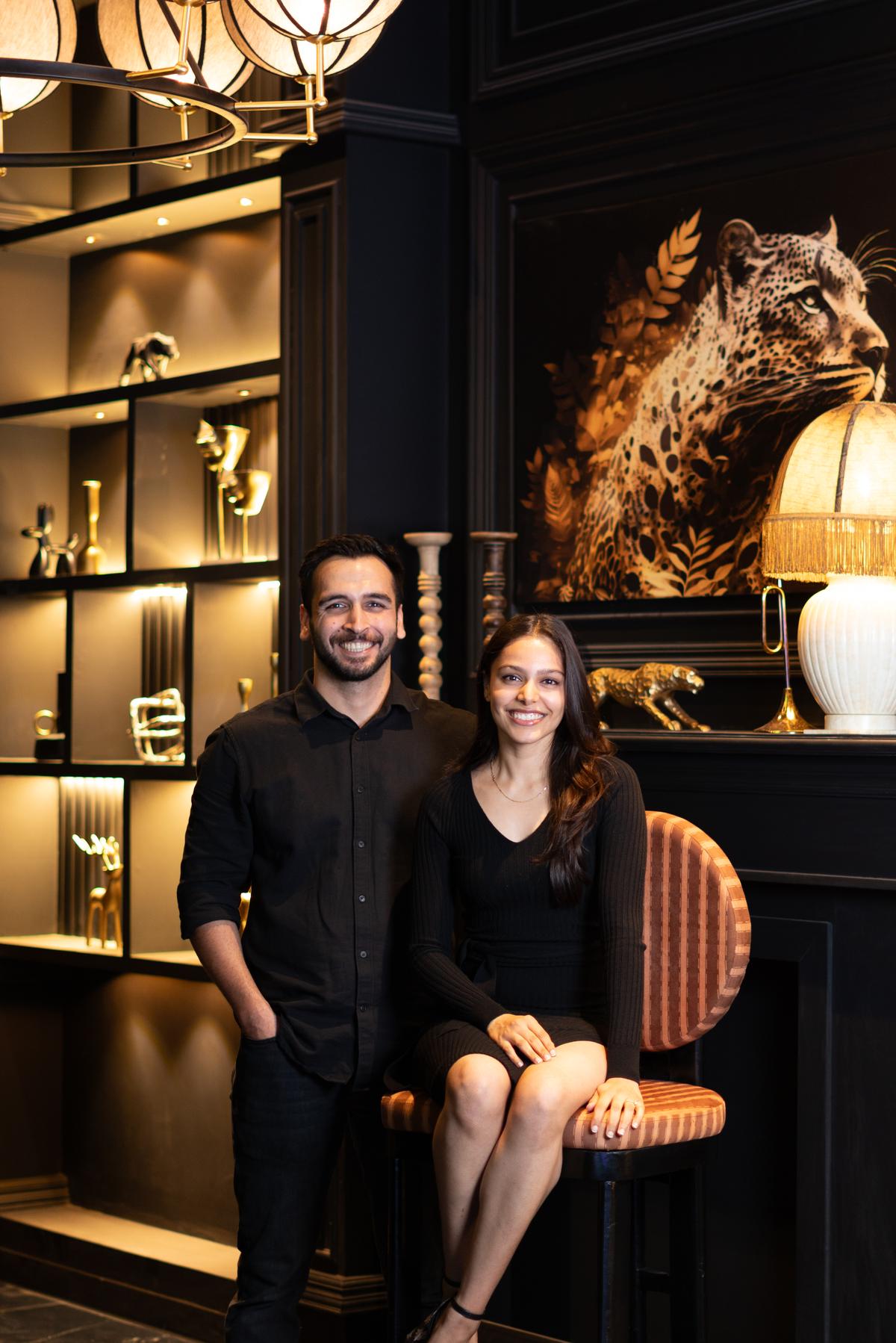
Vaishali Singh and Anshul Razsan.
The overall design draws from the visual and emotional language of Gothic mountain architecture — think pitched vaulted roofs, tall Gothic windows, stone-clad walls, and wrought-iron details. The palette is inspired by natural materials and earthy tones of alpine interiors “Wrought-iron chandeliers and suspended candle lights fill the double-height volume with gentle, warm pools of illumination,” says co-founder Anshul Razdan.
Urban harmony
Bar Sama, StudioGrain, Bengaluru
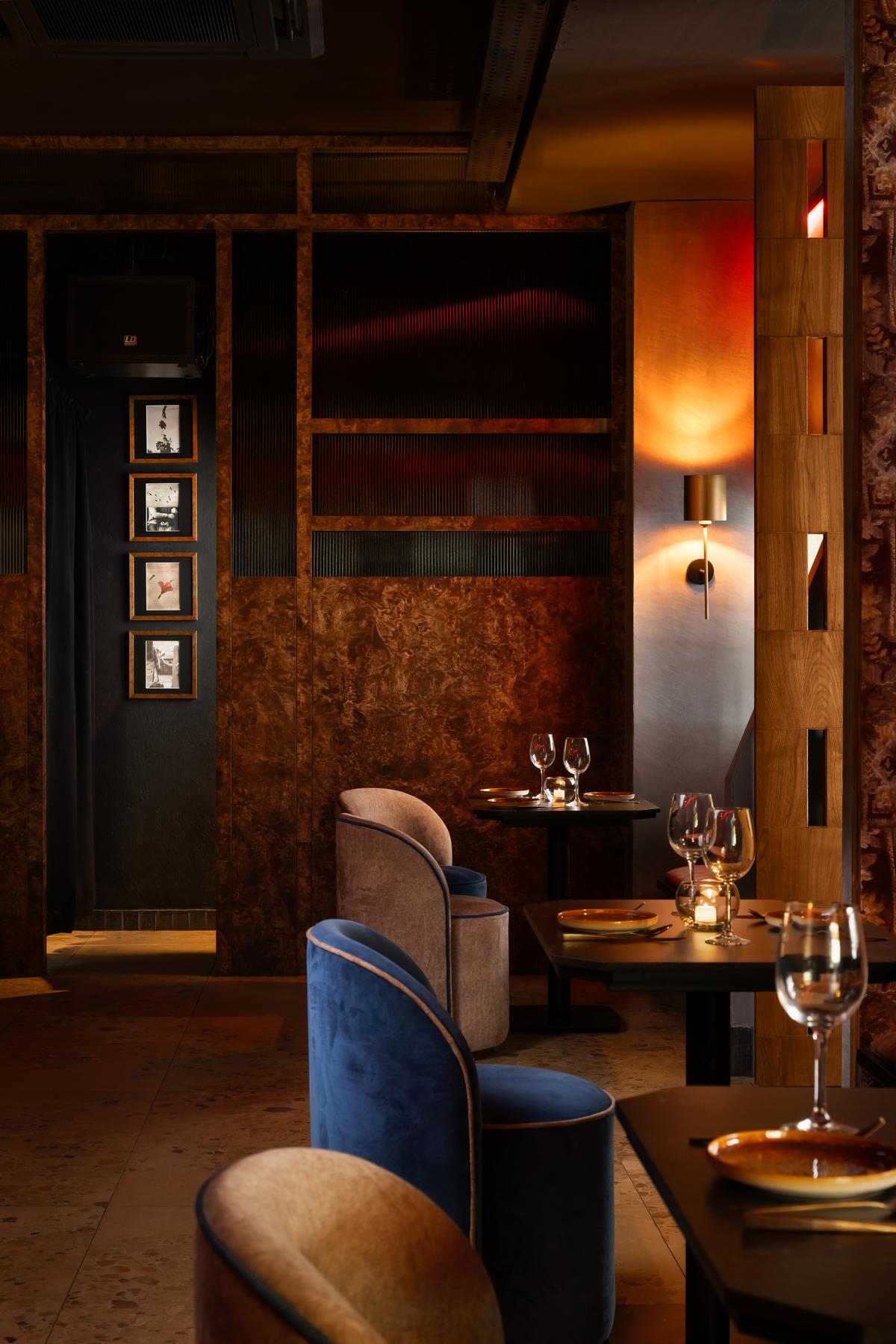
Sama, which loosely translates to equal or balance in Kannada, is spread across 1,800 sq.ft. “We envisioned the design as an inner and outer core with many alcoves and nooks that encourage intimacy and conversation. There was a clear intent to create a cocktail bar that feels nostalgic yet balanced in Bengaluru’s evolving identity,” says Pronoti Chabbi, principal architect of Bengaluru-based StudioGrain.
The outer core, which is also known as the dining room, reflects the old soul of the city, while the inner core is a representation of present-day Bengaluru and exudes a bold, urban, energetic and experimental vibe.
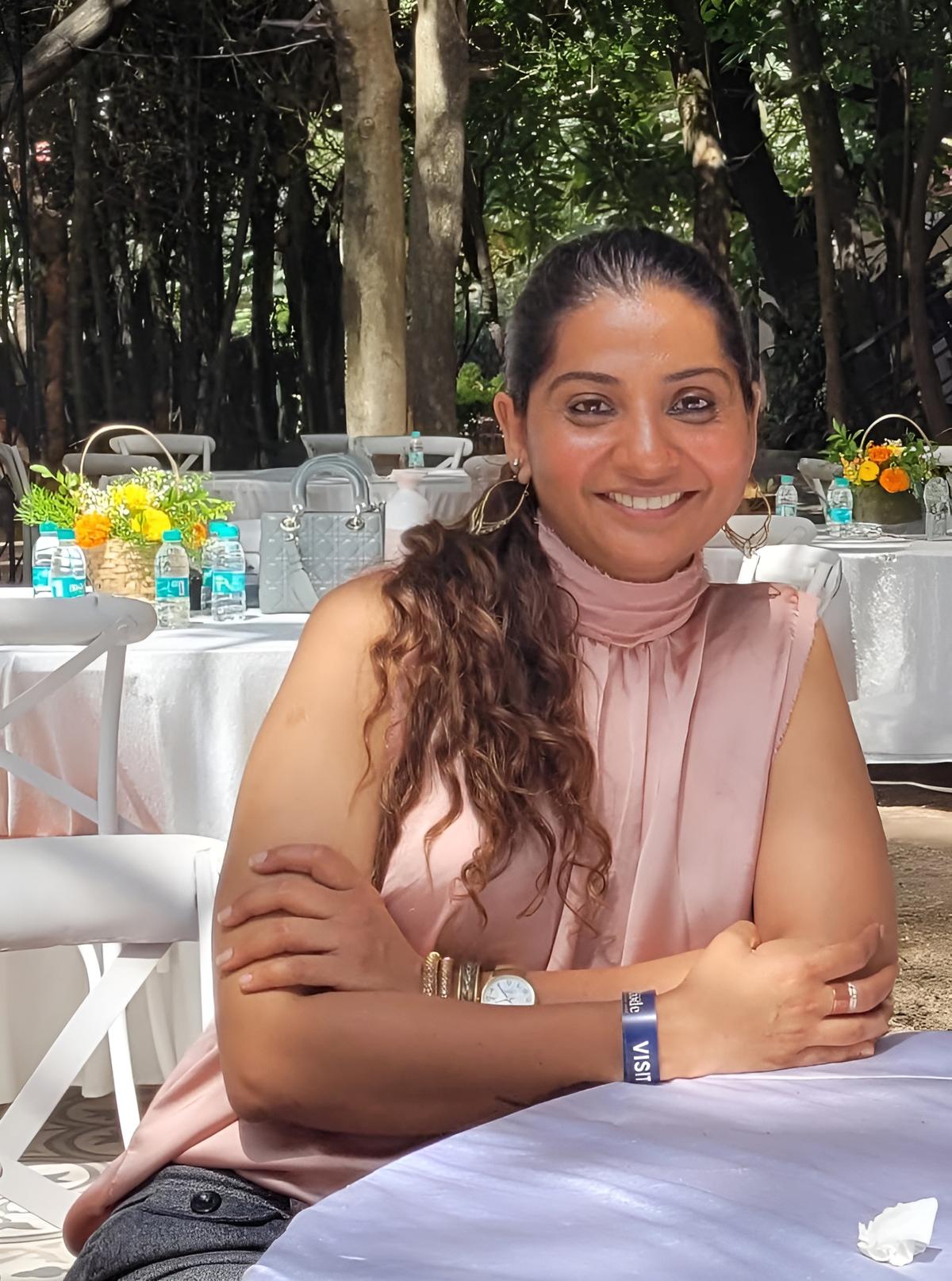
Pronoti Chabbi
While the former is layered in muted shades of dusty blue and natural greens, the inner core takes on a dramatic shift into intense charcoal and rich cobalt, setting a bold, immersive tone for the bar. The outer section has Art Deco grills and vintage framed pictures and offers a view of the trees outside. The inner section has a moody, contemporary vibe with saturated hues and a charcoal grey granite-topped bar anchoring the space.
Folk fiesta
Mezcalita, Impresario Hospitality Group, Bengaluru
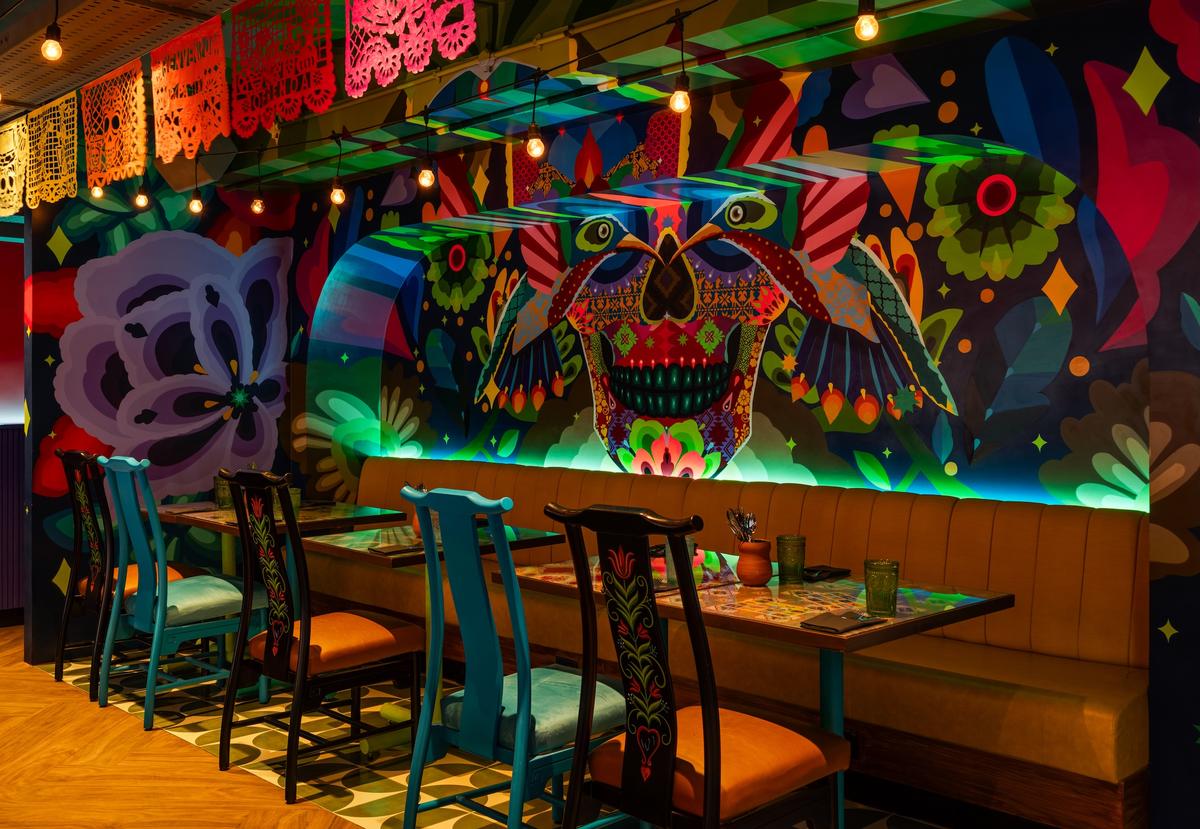
Mezcalita, Indiranagar
| Photo Credit:
Shamanth Patil
Mezcalita in Indiranagar is conceived as a high-energy space that reflects the contemporary interpretation of a Mexican cantina, adapted to Bengaluru’s nightlife sensibility. The design draws elements from Mexican folk culture, graphic traditions, and street life.
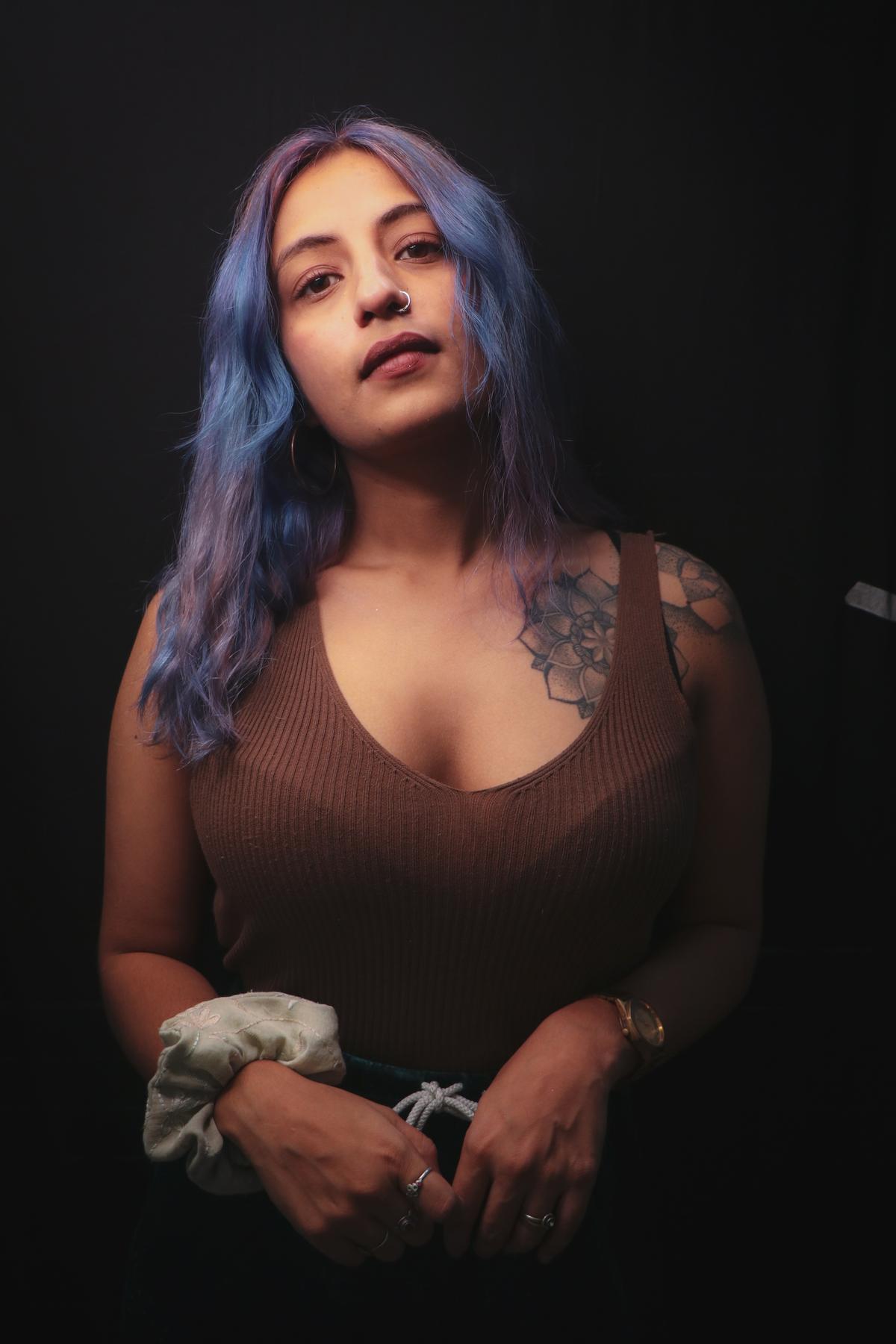
Arushi Bharti
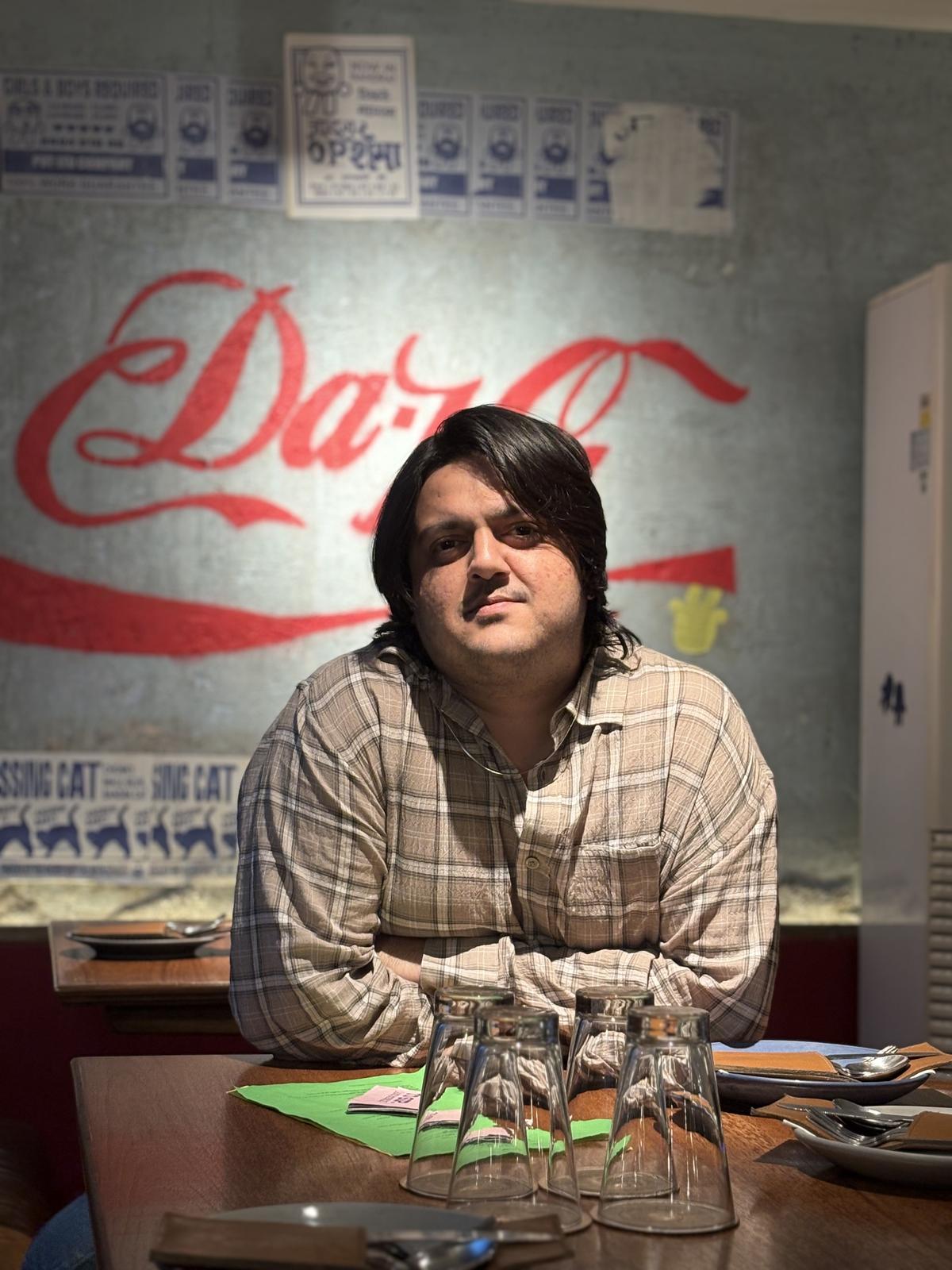
Bilal Ghaswala
“The palette is deliberately saturated, pinks, blues, yellows, and corals, referencing the vibrancy of Mexican streetscapes. Lighting is layered, combining exposed filament bulbs with warm ambient sources to create depth, intimacy, and visual contrast. Furniture , which is locally sourced, is highly customised, with hand-painted chairs and graphic tabletops ,” says Arushi Bharti Saini, senior art director and experience design at Impresario Hospitality Group.
Terracotta mood
Baar Bar, Goa
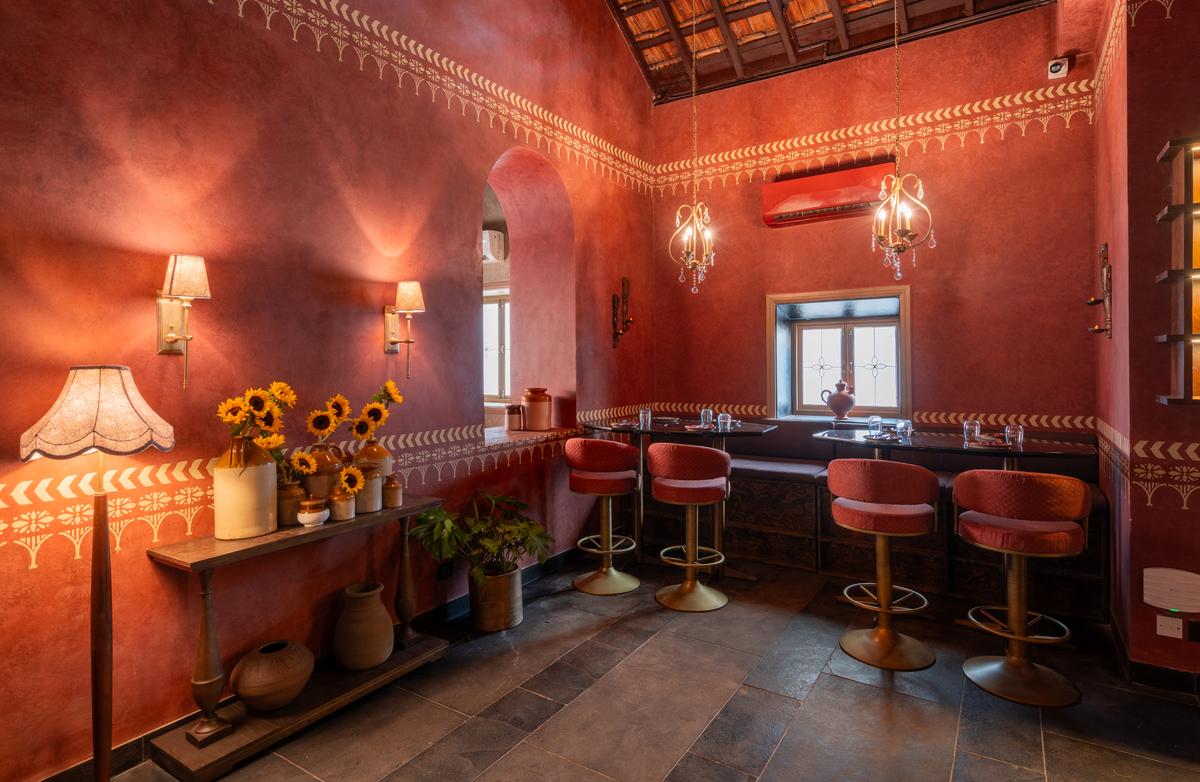
Baar Bar at Pincode Bungalow.
Baar Bar sits within the Pincode Bungalow in Goa, and the space exudes a warm, dim, and textural vibe. “There’s a strong terracotta palette running through the walls, layered with subtle detailing that gives it depth without making it feel busy. The bar counter is long and grounding, finished in wood with a soft amber glow underneath that adds warmth without being harsh. Lighting is kept low through pendant fixtures and diffused sources, creating a slightly cinematic feel across the room,” says Sushree Vaish, creative director, Baar Bar.
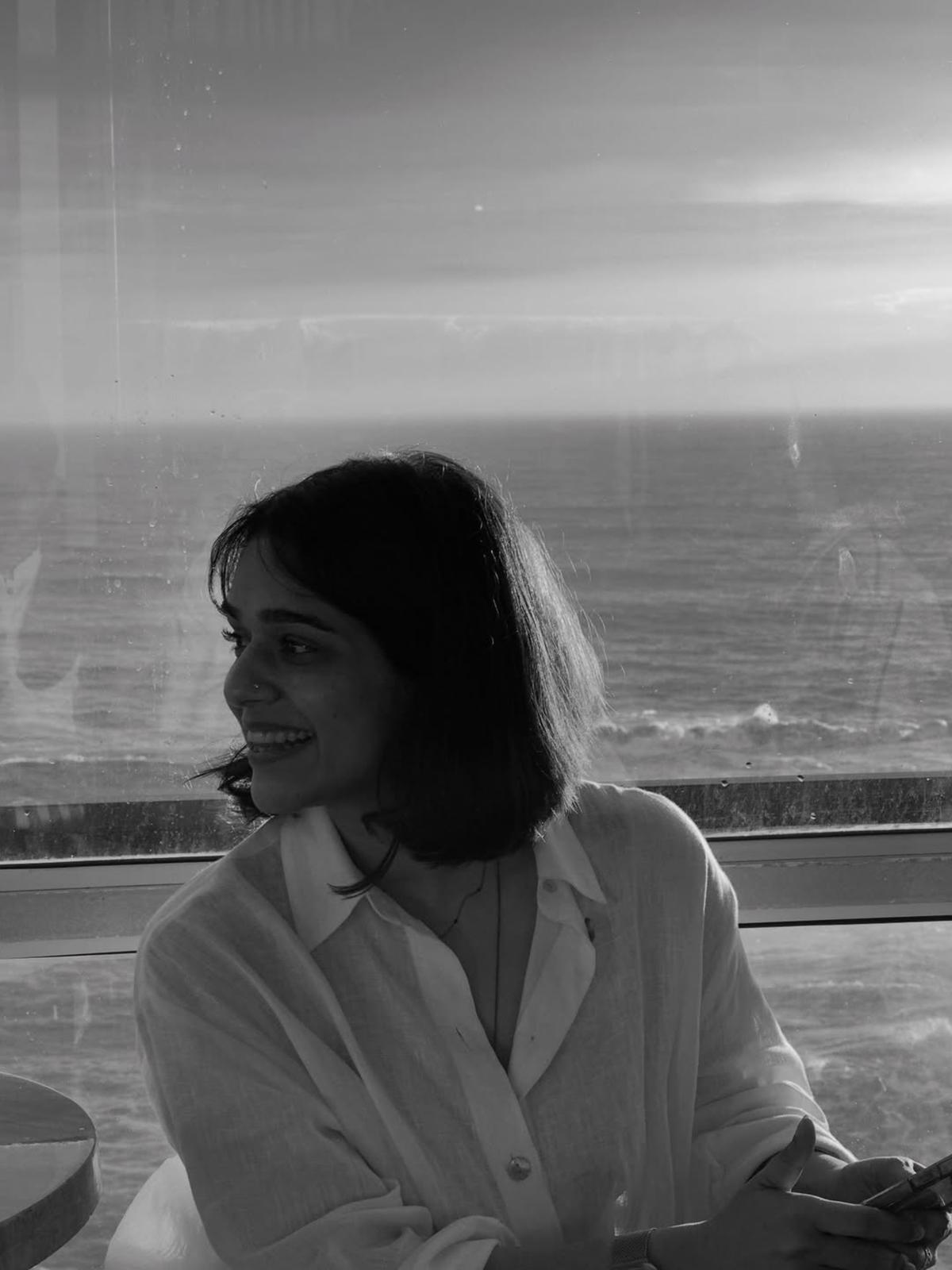
Sushree Vaish
Seating moves between bar stools and more relaxed tables along the wall, giving people the option to engage or step away. Materials are intentionally not over-polished. Plaster, wood, and a vinyl set-up come together to make the space feel lived-in rather than styled. All this makes the space more intimate and personal rather than high-energy. “Working within a restored bungalow helped, as instead of overriding it, we leaned into it and let the existing structure guide the design decision,” adds Vaish.
Royal recast
KAI Bar and Kitchen, Maze Concept Design, Bengaluru
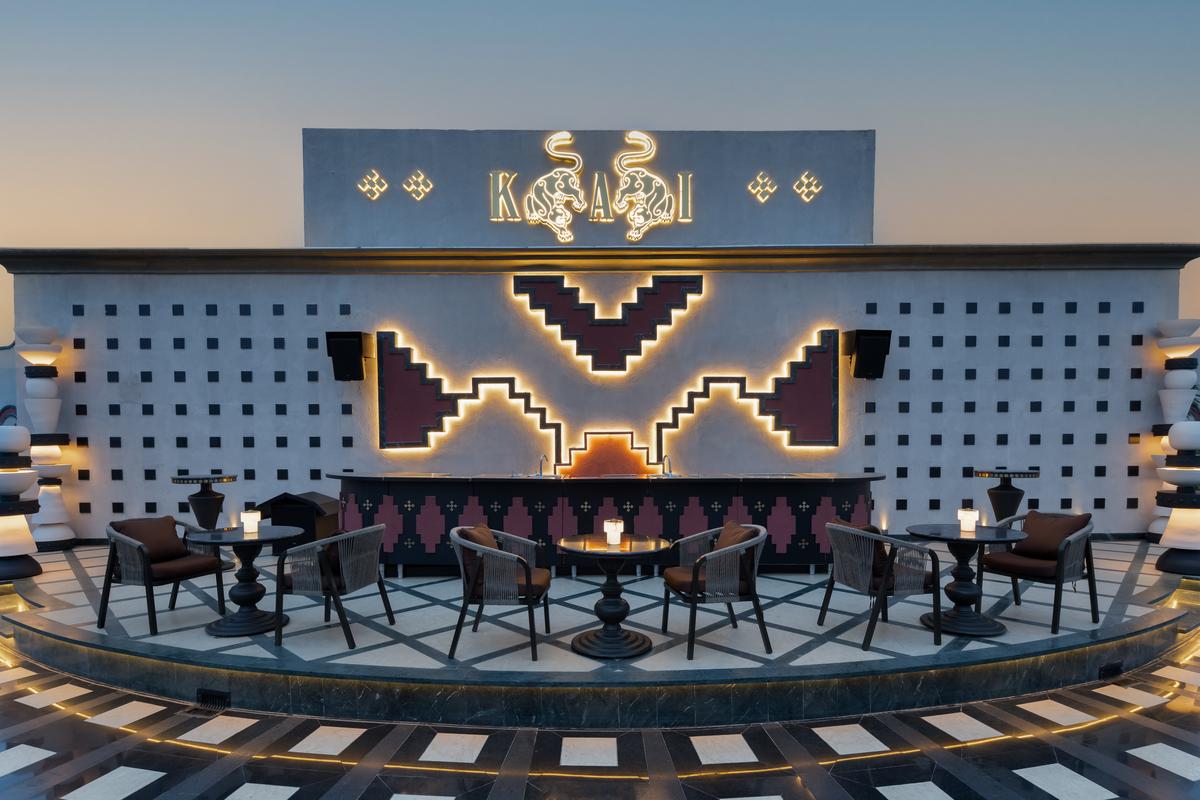
Kai, an 8,000-sq.ft. rooftop bar, is located 13 floors above Bengaluru’s MG Road. The core concept revolves around reinterpreting the grandeur of Indian palaces into a contemporary setting. Instead of relying on ornamentation, the design distils royal architecture into proportion, symmetry, spatial hierarchy, and material richness, creating a modern-day “durbar” experience.
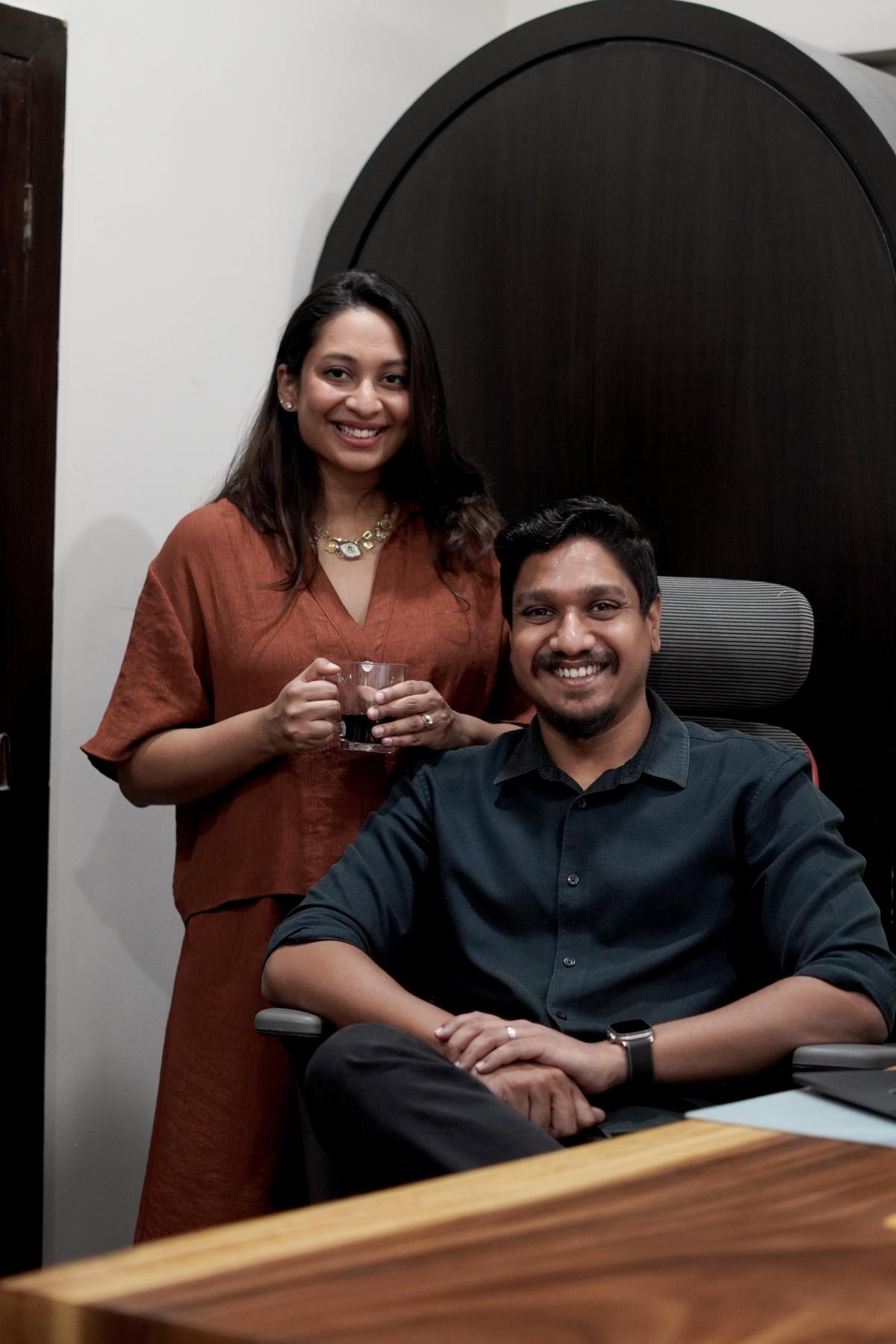
Koushik B R and Priyanka MC
“The space is defined by a rich yet controlled palette of deep maroons, reds, coppers, and bronzes, balanced with the warmth of walnut wood. A sculptural ceiling inspired by a peacock feather forms the visual focal point. Indian Patent Stone (IPS) flooring with marble inlays subtly guides movement, while custom wallpapers and recurring motifs unify the interiors,” says Priyanka M.C., co-founder, Maze Concept Design Studio, a Bengaluru-based architecture firm. “Lighting plays a dynamic role with programmable LED strips embedded in the ceiling, shifting the mood from warm and refined in the early evening to vibrant and reflective at night.”
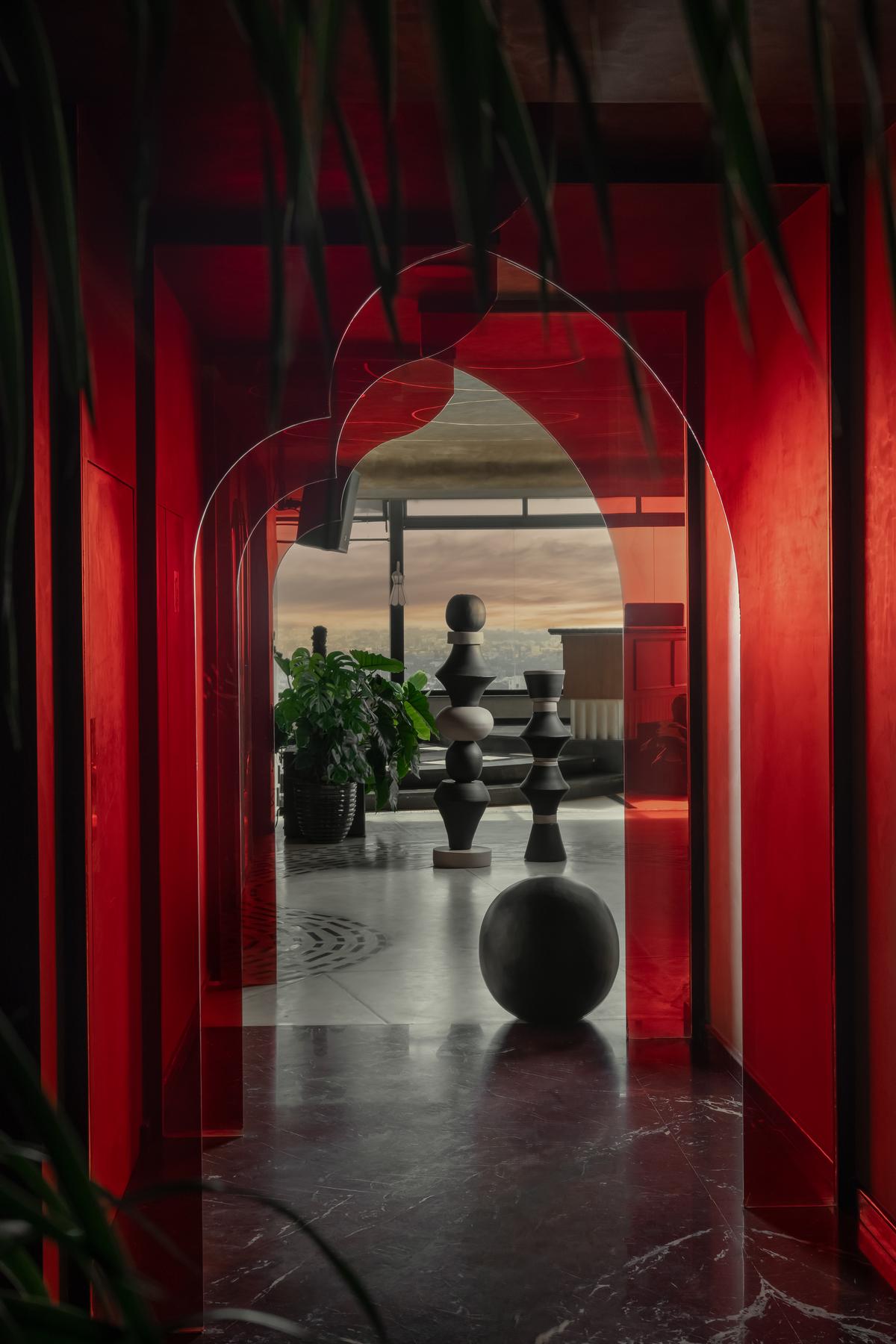
The uniqueness lies in its abstraction of palace architecture rather than literal replication, adds co-founder Koushik B. R. “The central bar acts as a courtyard-like nucleus, organising the entire layout with symmetry. The peacock feather-inspired ceiling, dynamic lighting transitions, and seamless integration of indoor and semi-outdoor spaces stand out as key highlights,” he says.
The Bengaluru-based freelance writer is passionate about all things design, travel, food, art and culture.