



BAFTA 2026: BBC, host apologise after racial slur shouted during awards by guest with Tourette’s
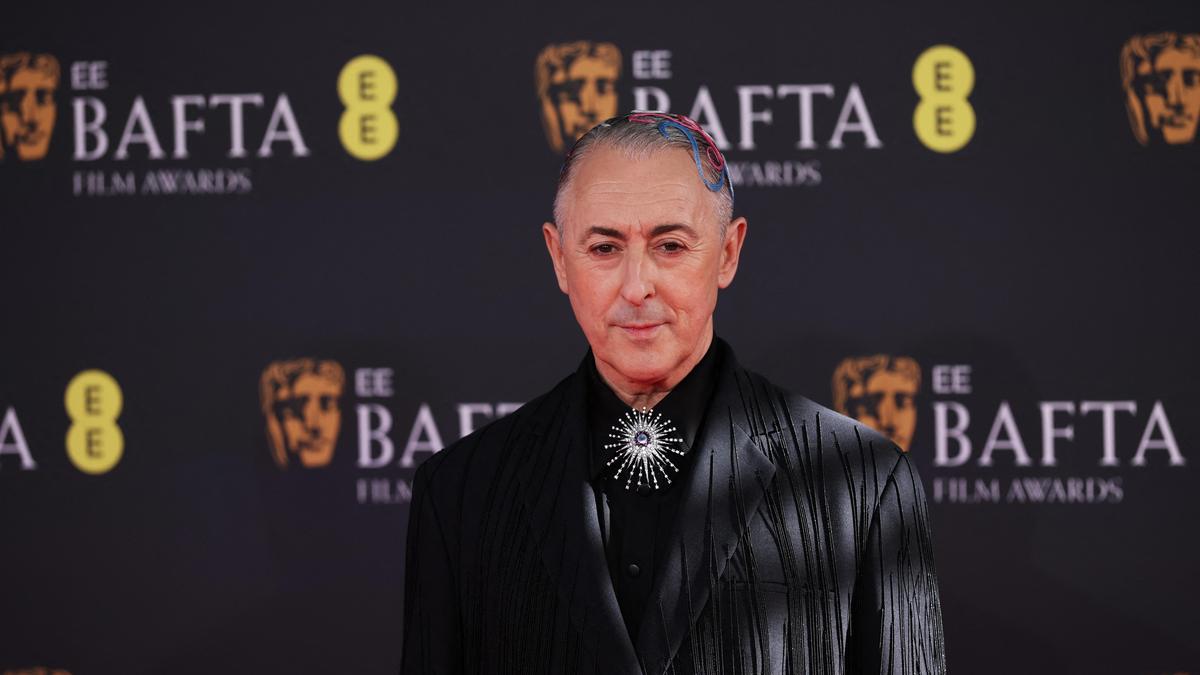
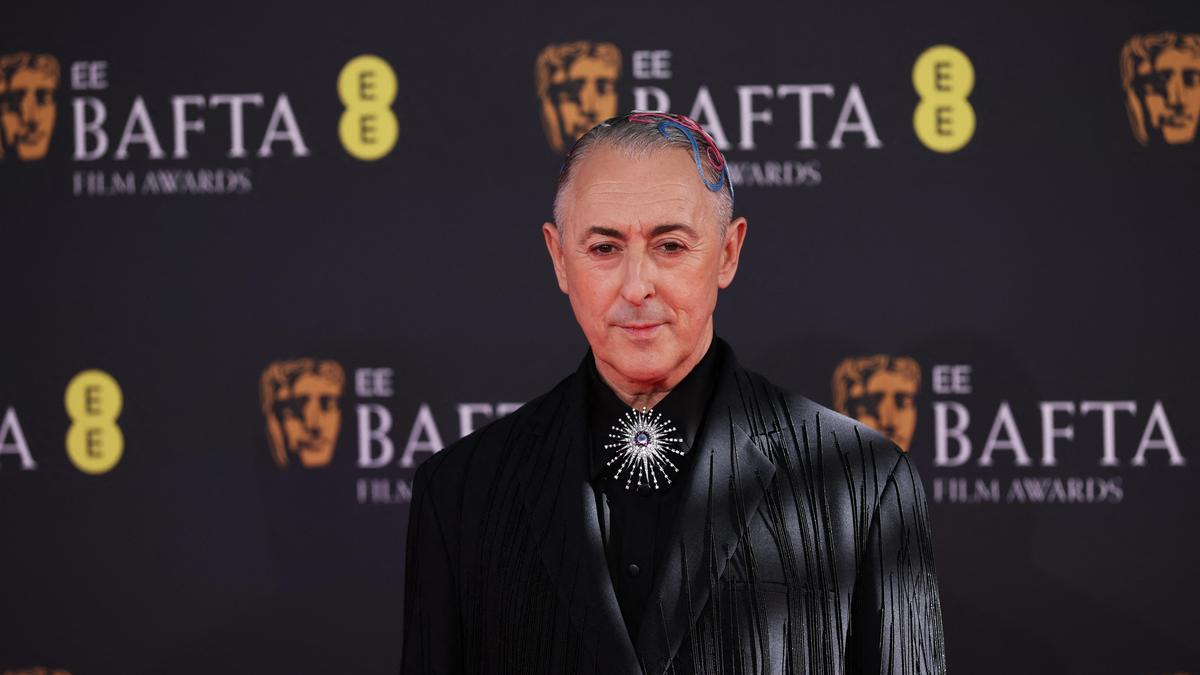
Host Alan Cumming poses on the red carpet during the 2026 British Academy of Film and Television Awards (BAFTA) at the Royal Festival Hall in the Southbank Centre, London, Britain, on February 22, 2026.
| Photo Credit: Reuters
Britain’s film academy and the BBC apologised to viewers after an audience member with Tourette’s syndrome shouted a racial slur during the British Academy Film Awards. The highly offensive word could be heard as “Sinners” stars Michael B. Jordan and Delroy Lindo were presenting the award for best visual effects during Sunday’s (February 22, 2026) ceremony.
Host Alan Cumming had earlier told the audience that a guest at the ceremony was John Davidson, a Scottish campaigner for people with Tourette’s who inspired the BAFTA-nominated film “I Swear.” Tourette syndrome is a neurological disorder characterised by involuntary, repetitive movements and vocalisations, including the uttering of inappropriate words.

After the outburst, Cumming apologised to the audience at London’s Royal Festival Hall for the “strong and offensive language.” “Tourette syndrome is a disability, and the tics you have heard tonight are involuntary, which means the person who has Tourette syndrome has no control over their language,” Cumming said. “We apologise if you were offended.” The British Academy of Film and Television Arts referred to Cumming’s statement when asked for comment on Monday (February 23, 2026).
The epithet could be heard when the BBC broadcast the ceremony about two hours after the live event. The broadcaster apologised on Monday (February 23, 2026), though the offensive word could still be heard on the broadcaster’s streaming site.
“This arose from involuntary verbal tics associated with Tourette syndrome, and was not intentional,” it said in a statement. “We apologise for any offence caused by the language heard.” “I Swear” won two BAFTAs, including best actor for Robert Aramayo, who plays Davidson.

Ed Palmer, vice chairman of the charity Tourettes Action, said the BBC should have considered bleeping out the slur.
“This is really one of the most acute examples of where something that is a disability can cause quite understandably huge amounts of offence to someone,” he told Times Radio. “So, if it’s being prerecorded now, then bleeping it out, for example, might be a reasonable compromise.”
Published – February 23, 2026 06:41 pm IST