




How Judy Frater empowers Gujarat artisans and preserves India’s cultural heritage
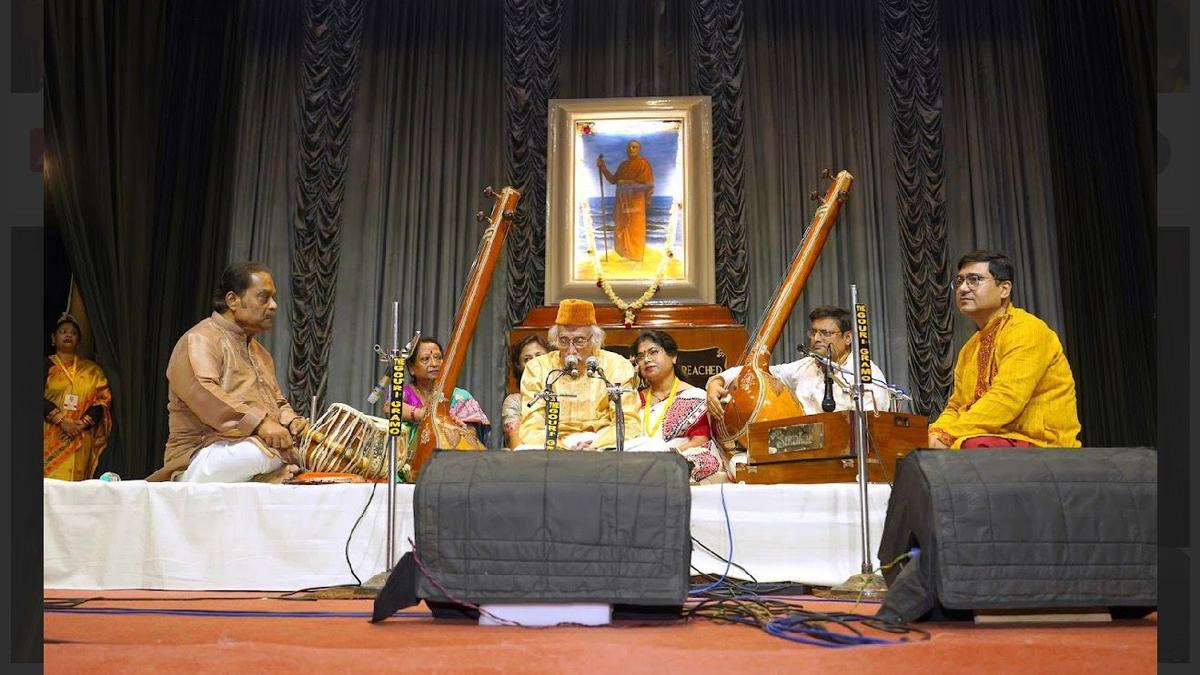
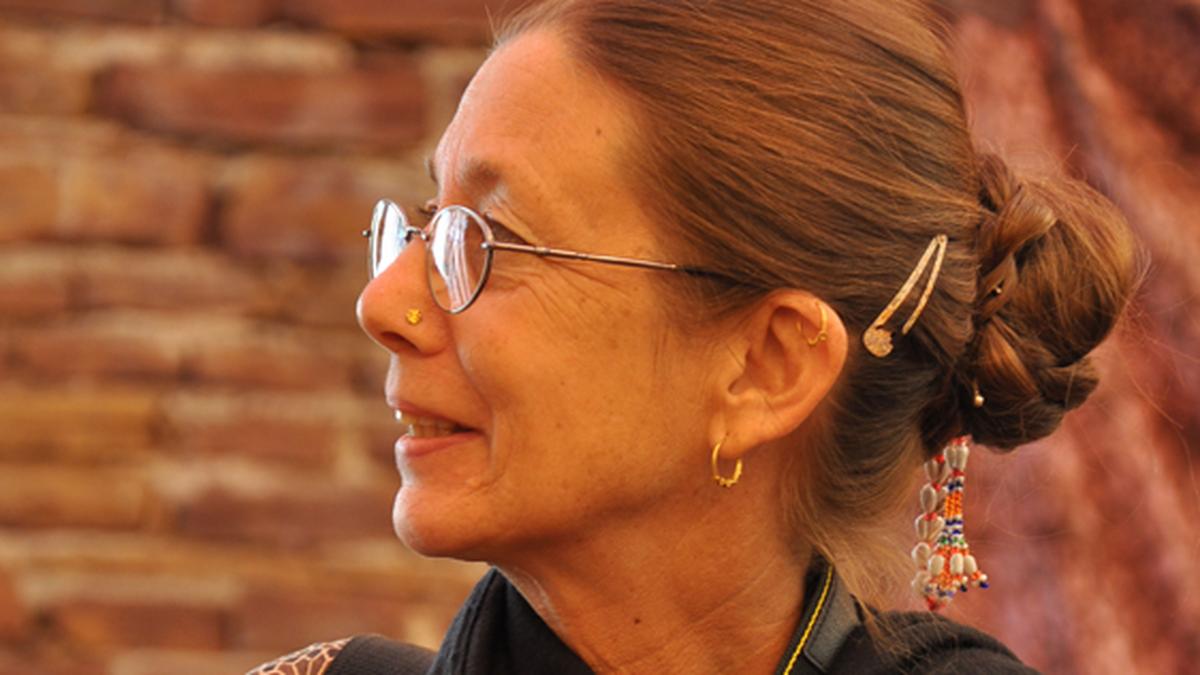
At the International Music & Arts Society’s heritage lectures, American social entrepreneur, author, and expert in textile arts, Judy Frater spoke about her latest book Artisans by Design, an odyssey of education for textile artisans in India’. Each slide she presented unfolded as a chapter in her passionate journey — a reflection of her deep bond with the craft, and her affection for the artisans who create it.
Her slight frame and diminutive stature belie her tenacity and conviction that enabled her to live in the inhospitable Kutch region for 30 years. She learnt Gujarati to communicate with the Rabbaris, whose embroidery drew her to India. She undertook a research project on the area’s rich textile traditions and their cultural history, and developed programmes for traditional artisans in the contemporary world, founding Kala Raksha institutions, aided by Fulbright, Ford Foundation and Ashoka Fellow Grants.
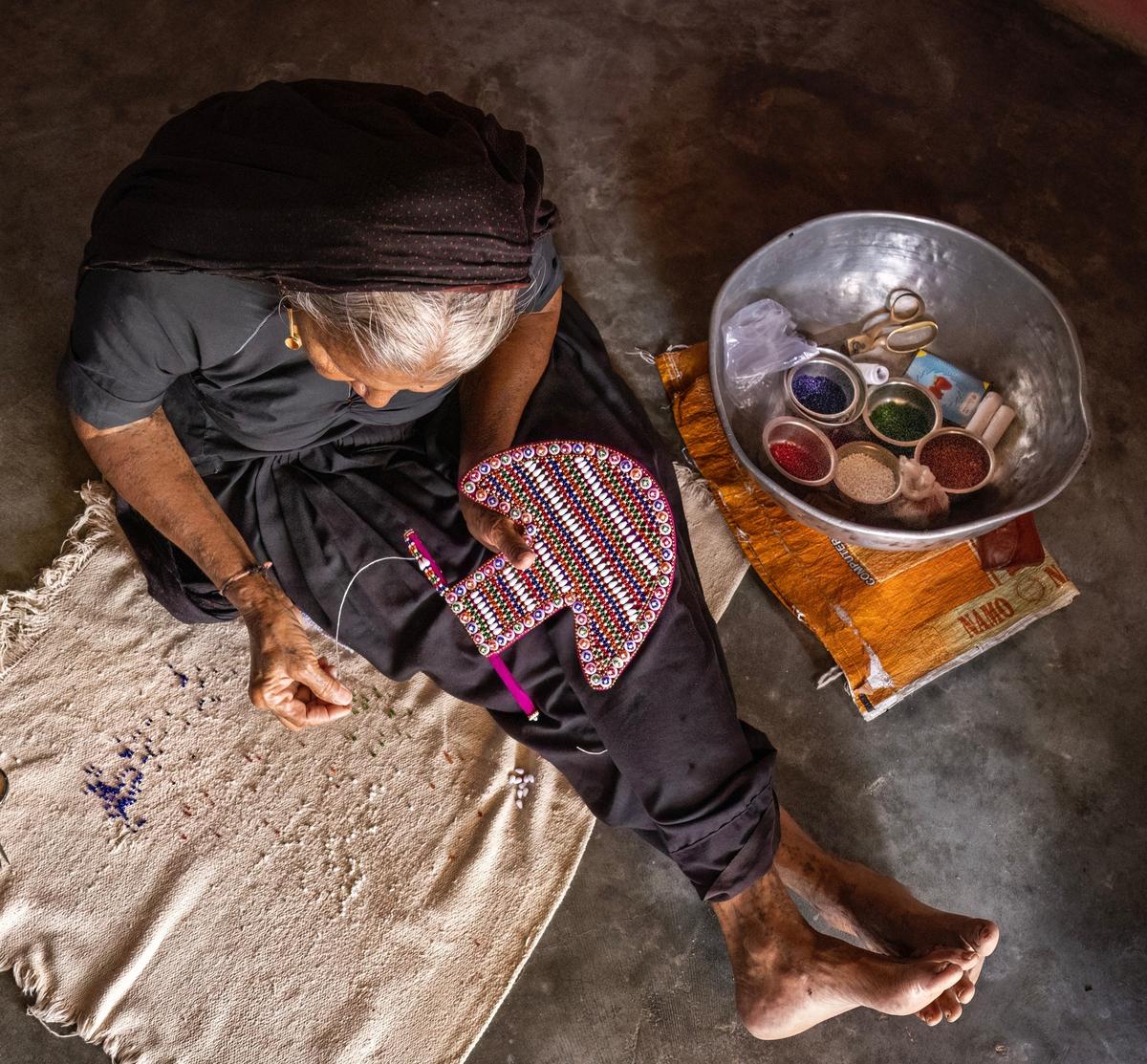
The traditional hand embroidery from the nomadic Rabari community of Gujarat and Rajasthan, features geometric patterns and chain stitches.
| Photo Credit:
Special Arrangement
Rabbari embroidery was executed by different ethnic groups, some nomadic. So, the work emerged as more than just skills — it embodied cultural heritage, craft and communication. She realised that one could “read” the embroidery, as their verbal stories unfolded on the fabric. Her collected samples are now considered a precious resource in the Kala Raksha Museum.
In 2005, the first school, Kala Raksha Vidyalaya, bridged tradition with the contemporary, dealing with important issues surrounding small-scale artisan production, value and sustainability. Its aim was designed as a year-long course, structured across six intensive sessions spread over two weeks. . She hoped the transformative effect of education would bring confidence and empowerment to these textile craftspeople, who were primarily engaged in embroidery, bandhani, hand block-printing and weaving.
Realising that artisans’ involvement and participation were crucial throughout their precarious journey — from income generation to cultural empowerment, from creations to the marketplace — their needs and inputs were prioritised, ensuring they were invested in the process of setting up the courses. Her wonderfully structured classes brought out the best in their creativity and potential.
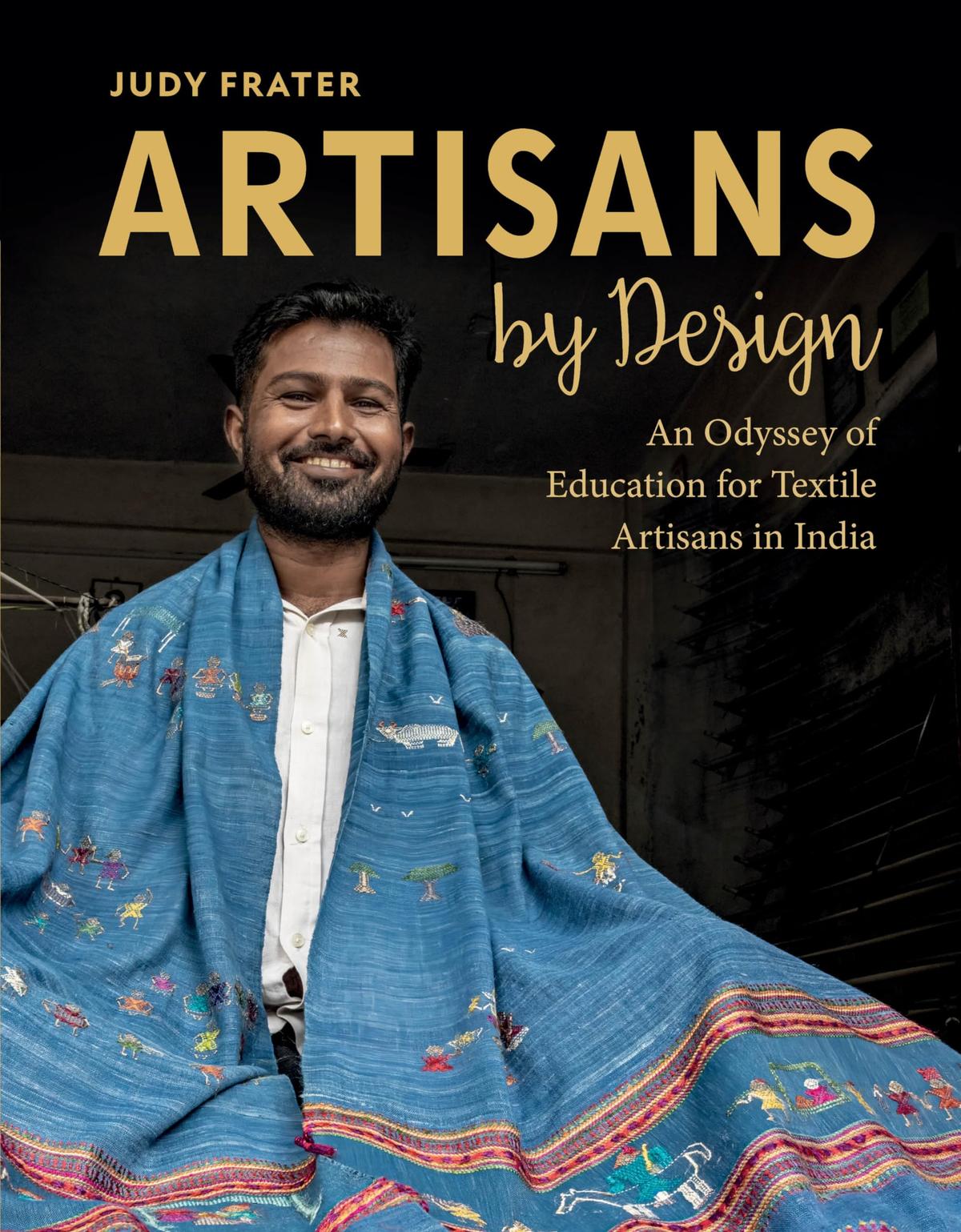
The book cover.
| Photo Credit:
Special Arrangement
In the design course, modules of design — colour, motif, pattern, stitches — were made accessible to students. Master artisan advisors guided students to begin by studying their own traditions. Despite being restricted by culture to social discourse within their own community and limited interactions, the students flourished with encouragement and the comfort of working with their own people. Judy was astonished by the talents that emerged and the manner in which they valued creative innovation. Her guidance emphasised innovation within tradition, preserving and strengthening traditional elements in contemporary forms. This approach encouraged the students to resist designs imposed on them by ‘design graduates’ or marketing men, eager to exploit the cache of the ‘handmade’, to satisfy the market.
Judy’s desire to help these communities, with whom she formed a rapport, is evident. She fostered their joy in creativity by prioritising their needs. Recognising that artisans could not stay away for long from their occupation that sustained them, she came up with a flexible structure — A two-week module that enabled them to attend classes, while the homework ensured the learning was incorporated at home immediately. With low fees, time was structured to meet their lifestyles, while admissions were open only to practising craftsmen. The aim was also to improve their lives, offering guidance on diet and health too.
Judy has concerns for the continuation of these fragile communities, and seems caught in a time-warp. Hoping to delay the inevitable encroachment of the modern world, Judy encourages Nature and heritage as continuing sources of inspiration, giving artisans the immediacy of direct experience. For example, holding a found seashell, feeling its texture, shape and structure, colour, hearing and smelling it, impacts the person with more holistic sensory inputs. Another concern of hers, is getting the younger generation to continue in their family occupation.
Craftspeople are not impervious to the changing world and sometimes incorporate non-traditional subjects such as lorries and airplanes. The challenge lies in finding the appropriate traditional expression for the modern. They also react to changes in their environment, the Kutch earthquake was depicted in an embroidery panel.
Judy has contributed significantly to create international awareness of the craft as art — valued for its natural and cultural sustainability. By introducing craftspeople to city museums, boutiques and fashion shows, and showing them how the larger world values their work, she has fostered their self-confidence, self-respect and pride. Taking advantage of Kutch’s popularity as a tourist destination, visitors can now join workshops conducted by these craftspeople. The sharing of their skills with tourists, reinforces the value of their work.
For all her phenomenal achievements, Judy remains self-effacing, approachable, focused in sharing her knowledge and experience, and eager to find new horizons in her love of traditional design.
Published – March 10, 2026 03:14 pm IST