




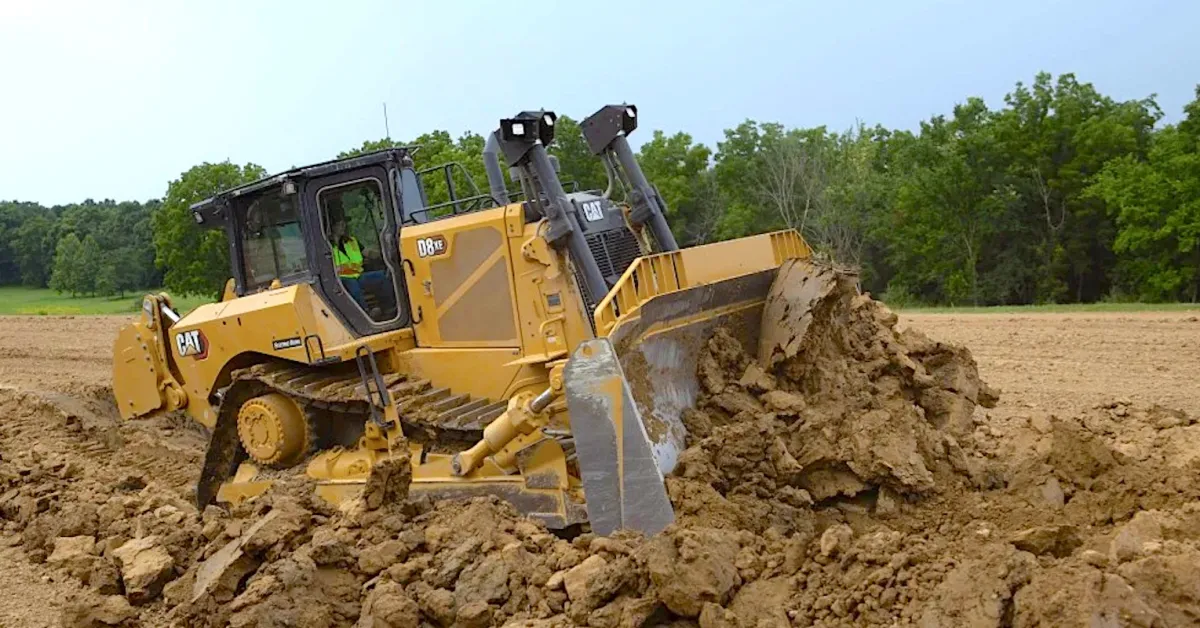
CAT puts century-old tech to work in its newest electric drive dozer
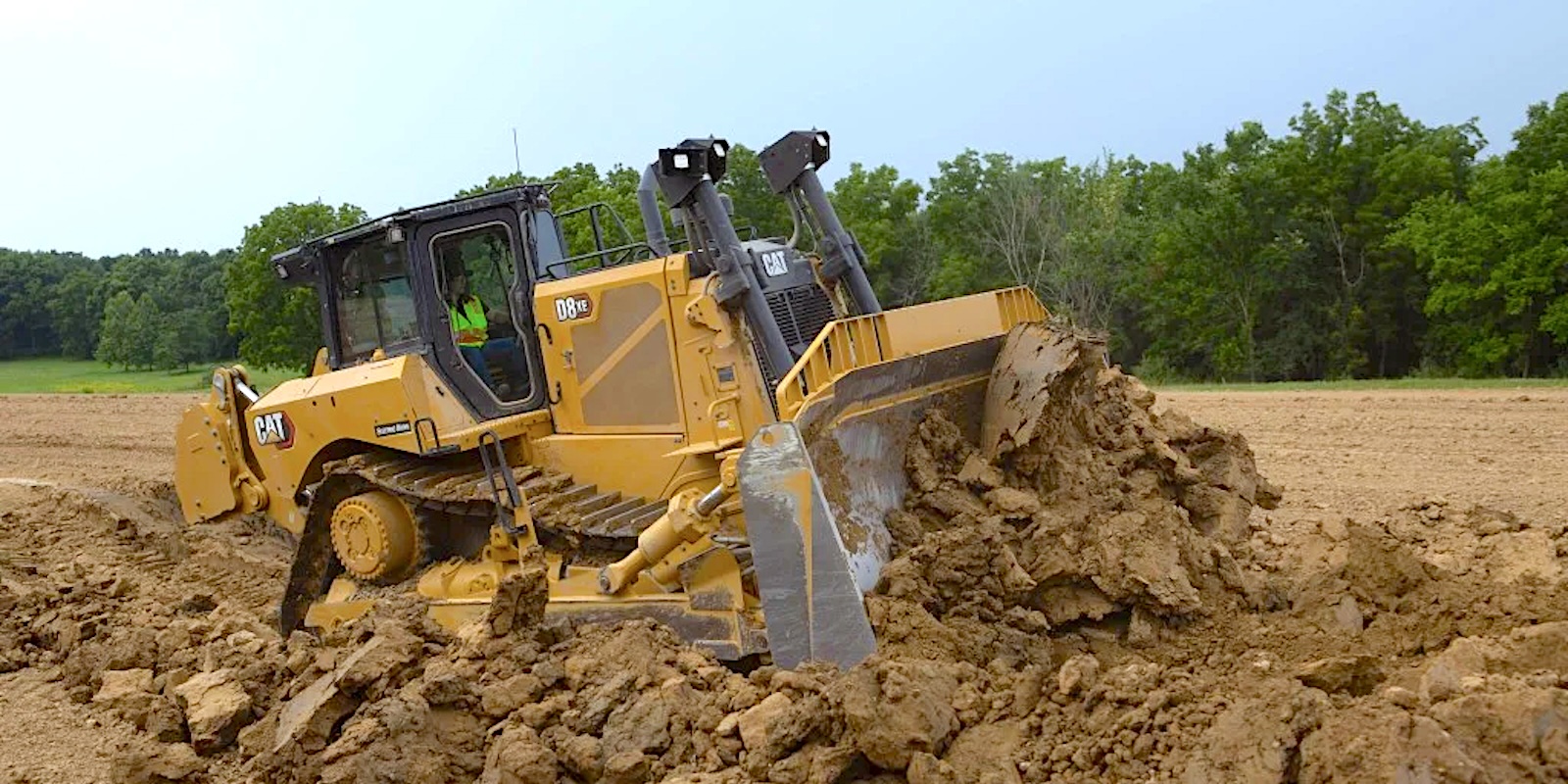
Diesel-electric locomotives have been barreling along America’s wide-open plains for generations, and the century-old combination of consistent, high-efficiency rpm diesel engines spinning up generators to power high-torque electric motors has proven tough to beat. Now, Caterpillar is putting that century-old design to work in its heaviest tracked dozer yet – and the efficiency gains are incredible.
Before we get lost in the specs of Caterpillar’s new D8 XE, I want to make sure that you, dear reader, understand that large-scale construction are often penciled and bid on razor-thin margins, and a swing in job site efficiency of just 1-2% can mean the difference between a winning deal or sour loser that leaves a bad taste in everyone’s mouth. As you read the following words from CAT’s own marketing team, keep the weight of that knowledge in your mind.
“Through an internal, head-to-head test in a composite cycle,” explains Sam Meeker, market professional for Caterpillar, “the D8 XE consumed up to 10% less fuel and moved up to 6% more material in a given timeframe than the standard D8.”
For those of you doing the math, that works out to a staggering 17.8% efficiency upgrade compared to a conventional diesel D8 (check mine, below).
efficiency ratio calculation
1.06 / 0.90 ≈ 1.178
(17.8% more efficient)
CAT’s new D8 XE joins the company’s middleweight D6 XE electric drive in offering equipment fleets increased fuel savings, productivity, and lower maintenance and rebuild costs compared to their conventional counterparts – all of which contributes to higher utilization rates and lower total cost of ownership (TCO).
In practice, the D8 XE uses the CAT C15 diesel engine mechanics and crews are already familiar with, but instead of sending power to a conventional torque converter, the C15 drives a generator that sends electrons to the high-output electric motors.
CAT hasn’t released official specs on the D8 WE, but we can confidently point out that the electric motors’ power output in terms of kW will necessarily be limited by the diesel’s 369 hp, putting the D8 in the 275 kW class, but the the electric drive reduces torque interrupts across the rpm range and eliminates shift-shock (power loss between gears) for smoother, vibration-free operation that makes operators’ lives easier.
Also making operator lives easier is CAT’s Next Generation dozer cab that offers more visibility and space than before, an adjustable air-suspension seat standard, and a 10″ touchscreen display that provides a quick overview of what’s happening across the machine. Instead of being a distraction, CAT claims it’s streamlined the number of operator inputs needed to get the information they need, enabling them them to keep their eyes up and their focus on the task at hand.
In a bid to encourage more operators to give their electric drive models a try, Caterpillar is offering on-demand learning resources through its online platform, catoperatortraining.com. Designed to be accessible any time and from any device, CAT’s is particularly valuable for operators, whether they’re digital natives or just learning how to navigate new technologies.
Electrek’s Take
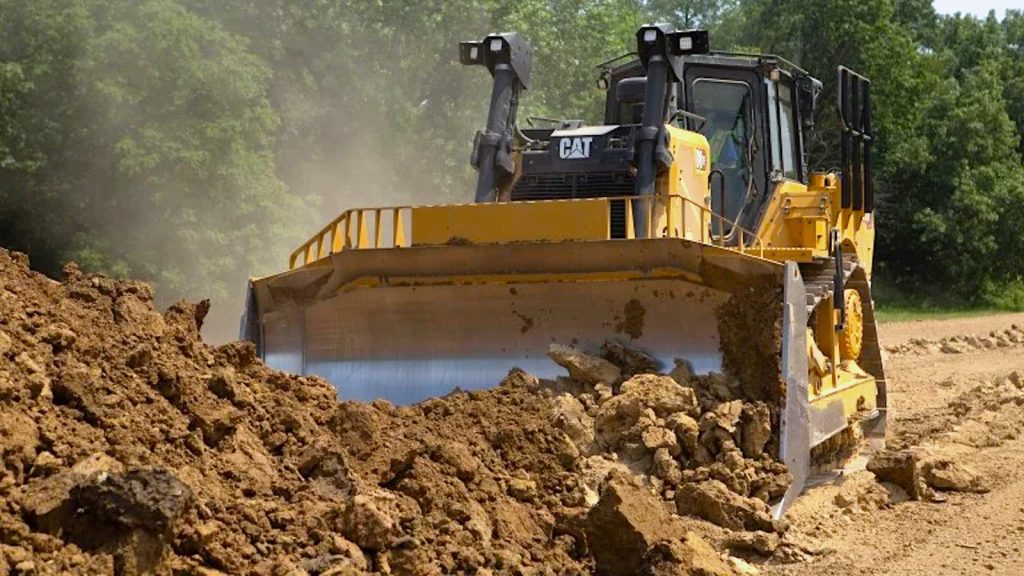
While there are a lot of people outside the urban construction space who may scoff at environmental concerns, the quest for improved efficiency and cost reduction among commercial fleet managers knows no political ideology. Add in more restrictive noise regulations and the side benefits of improved job site safety and fewer sick days, and electric equipment is a no-brainer.
“As more and more owners and operators experience what they deliver, and how Electric Drive addresses many of the operational and maintenance challenges associated with dozers,” adds Meeker, “we expect that adoption of electric drive systems in earthmoving equipment will continue to grow.”
Simply put: If it’s better or cheaper, fleets will buy it. If it’s better and cheaper, they’ll buy two — and electrically driven heavy equipment assets are proving to be consistently better and cheaper, in a broader scope of use cases, than diesel alone.
SOURCE | IMAGES: Caterpillar, via Heavy Equipment.

If you’re considering going solar, it’s always a good idea to get quotes from a few installers. To make sure you find a trusted, reliable solar installer near you that offers competitive pricing, check out EnergySage, a free service that makes it easy for you to go solar. It has hundreds of pre-vetted solar installers competing for your business, ensuring you get high-quality solutions and save 20-30% compared to going it alone. Plus, it’s free to use, and you won’t get sales calls until you select an installer and share your phone number with them.
Your personalized solar quotes are easy to compare online and you’ll get access to unbiased Energy Advisors to help you every step of the way. Get started here.


FTC: We use income earning auto affiliate links. More.