


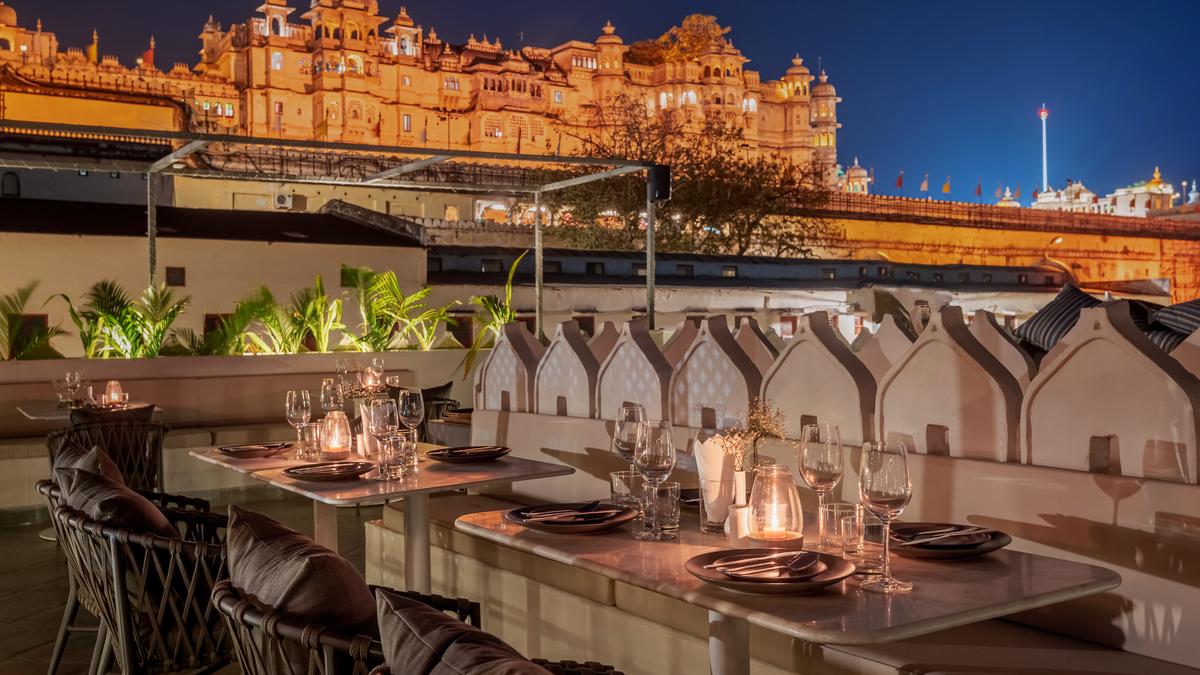
Udaipur’s new rooftop cocktail bar blends heritage, hospitality and highballs
There is a particular paranoia reserved for early-morning flights. You set three alarms, wake before each of them, arrive at the airport aggressively punctual, and land feeling as though you have already lived an anxious lifetime. The promise of a dawn departure to any city is always the same — seize the day — but more often than not, you check in, draw the curtains with missionary zeal and collapse into a heavy slumber.
In Udaipur, I was determined to resist that script. I had come to preview a new rooftop cocktail bar, Dore (named after the local word for thread, which is built around the idea of connection, between past and present, story and flavour), at the Manuscript Hotel, helmed by Pranav Sharma, a second-generation hotelier who wears his inheritance lightly. The hotel looks towards the City Palace — still the largest palace complex in Rajasthan — its terraces rising above Lake Pichola like tiered stone confectionery. At dusk, the palace glows and the lake obligingly turns ink-dark, as if the city has adjusted its lighting for effect.
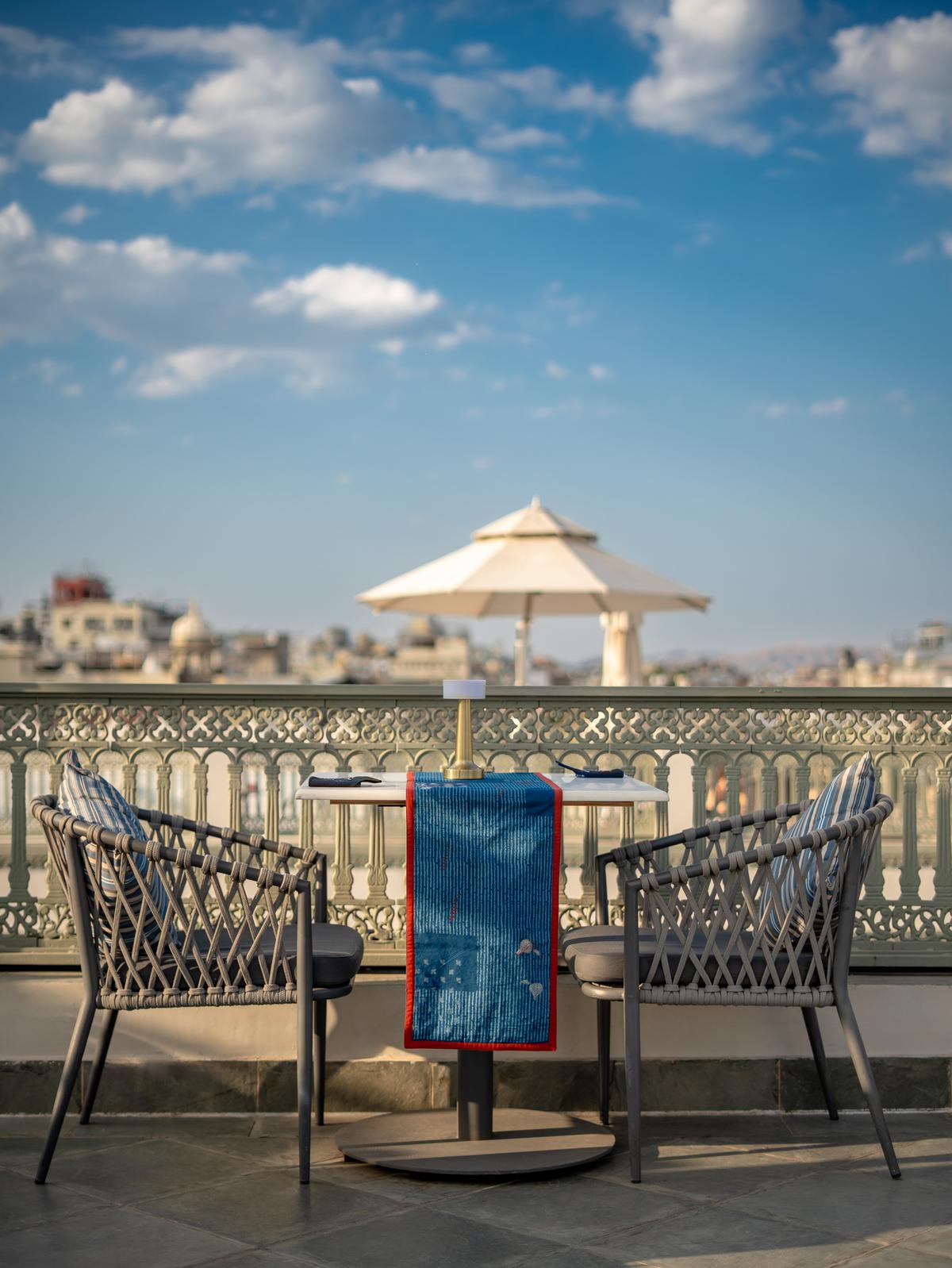
Dore by day
| Photo Credit:
Special arrangement
I had planned a virtuous nap before descending, restored, into mixology. Pranav intervened with breakfast, and while I was close to refusing, it felt faintly cowardly. It was at this point that a realisation hit: there comes a point in adulthood when discipline in a new city begins to resemble fear, so I went along.
Rajasthan does not believe in timid breakfasts. Its cuisine evolved in an unforgiving landscape; deep-frying preserves and spice asserts. Onion kachoris shattered to reveal hing-laced filling. Dal pakwan arrived crisp and even khandvi made an appearance, a reminder that culinary borders here are porous. We finished with jalebi, and somewhere between the sugar rush and the second kachori, I stopped feeling like a sleep-starved traveller clinging to an itinerary and more like a willing participant in local abundance.
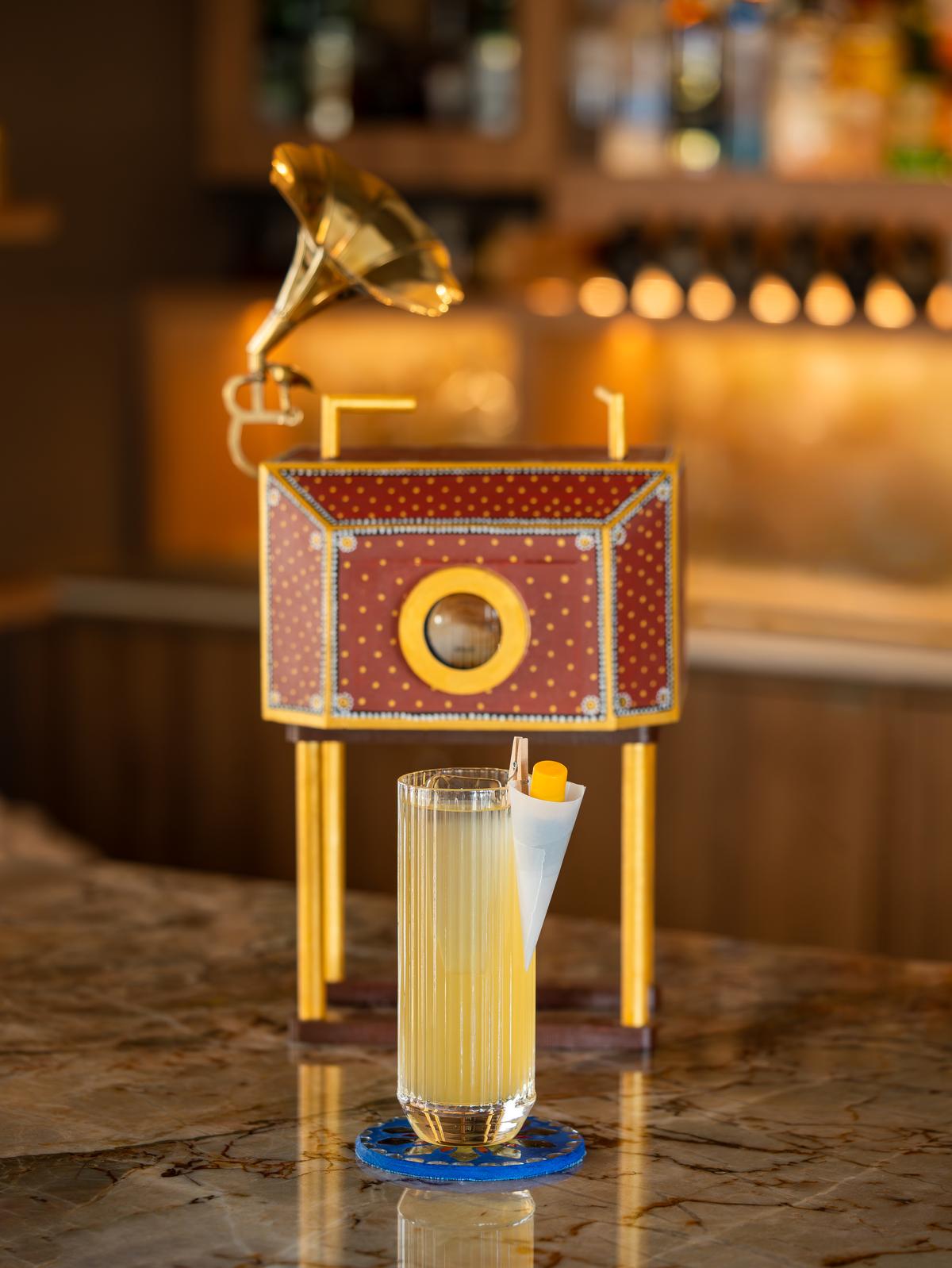
The Peepli Bioscope highball
| Photo Credit:
Special arrangement
Conversations over breakfast are usefully unvarnished. By the time our fingers were oil-slicked, I had asked Pranav whether Udaipur was ready for a serious cocktail bar at all.
He did not hesitate. “We’re degenerate alcoholics,” he said, laughing. “But it’s whisky, beer, and loud nights, mostly.” Rajasthan has never been unfamiliar with alcohol — from mahua brewed from forest flowers to the princely fondness for imported spirits. What Pranav proposes is not restraint but elevation. “Not intimidating,” he clarified. “But more thoughtful and a tad refined”
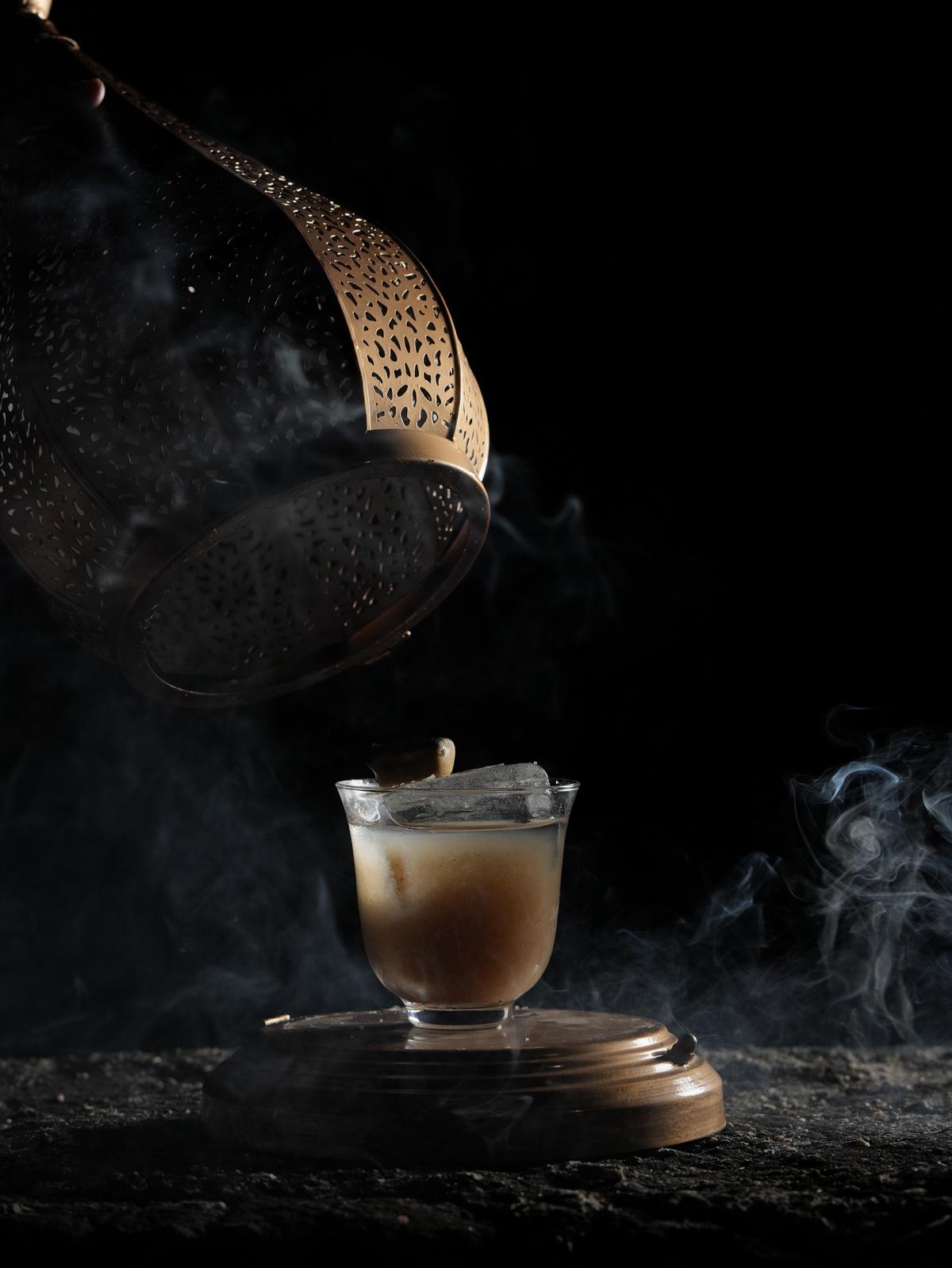
Kuldhara
Udaipur, he argued, already has the audience. Its residents travel, encounter cocktail culture elsewhere, and return home. Why should that calibre not exist here? To build credibility, he has partnered with Sagar Neve of Ekaa in Mumbai, known for technical precision and ingredient-led programmes. “If we were doing it,” he said, “it had to be serious.”
Pours and eats
Cocktails at Dore, which opens for service after 5pm, are not so much poured as narrated. Each of the 20-odd signatures arrives with a point of view while the menu reads like a cultural index to Udaipur itself. Threads run through it quite literally, a quiet nod to Dore’s central metaphor of connection, stitching stories across pages the way trade, folklore and memory have long stitched Rajasthan together, conceptualised, I am told, by Anjana Singhwi, founder of Chipper Creative, a branding agency. Latitude and longitude markings appear alongside the cocktails, gently pointing you towards the villages, landscapes and histories that inspired them.
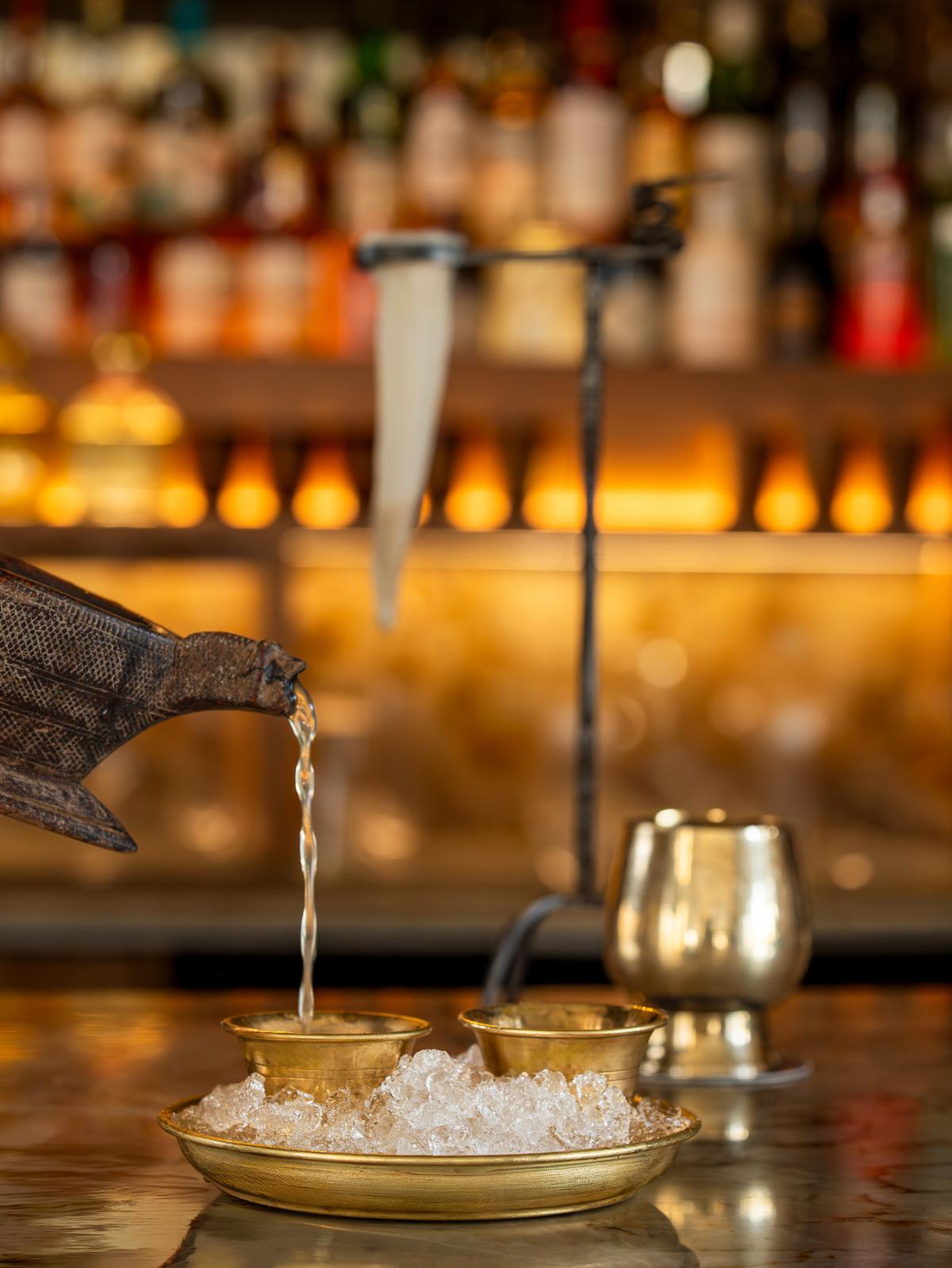
Royal Oath
I began with the Saunf/Gin highball, which comes with a bioscope that displays the ingredients — a drink that could easily have veered into cloying nostalgia but instead held its nerve. The fennel offered a cool, aniseed lift that felt clean rather than confectioned, the botanicals crisp and articulate, and it found an unexpectedly elegant partner in the khargosh ka keema. The richness of the minced rabbit was gently sliced through by the gin’s clarity, while the fennel echoed the dish’s aromatics as though the bar and kitchen had shared a conspiratorial briefing beforehand.
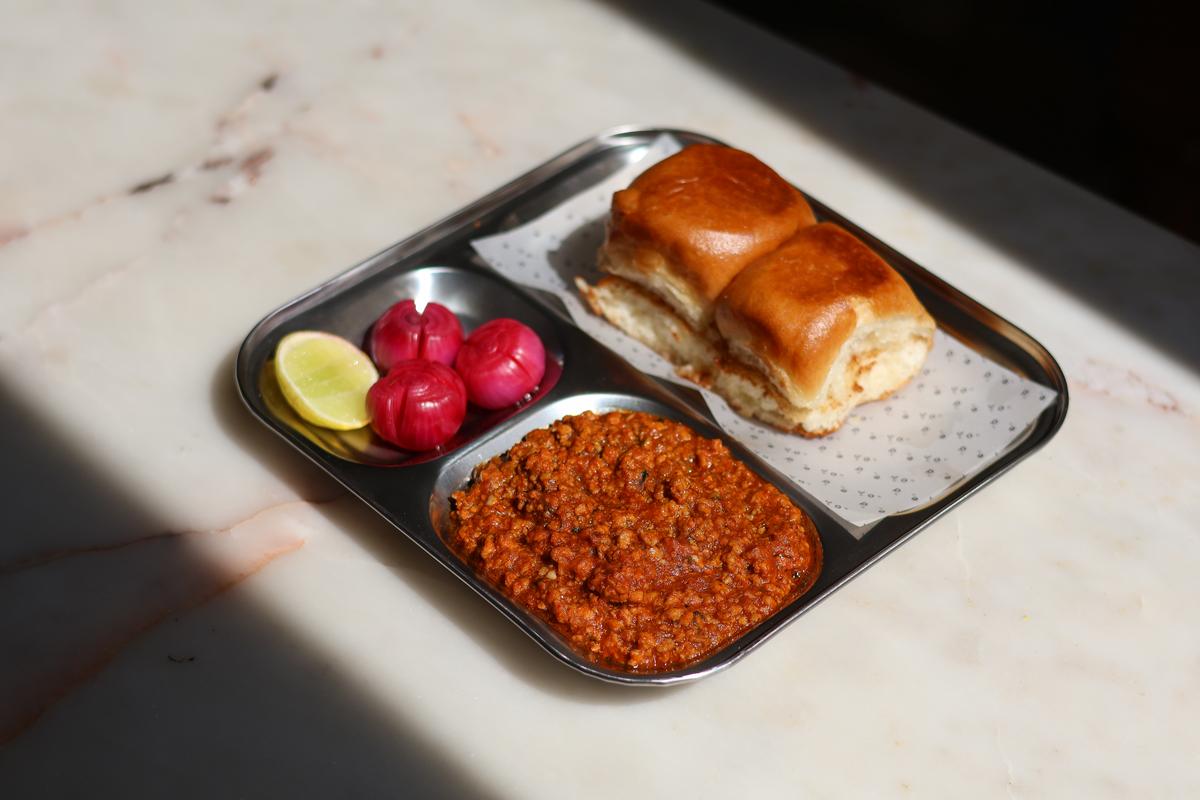
Khargosh ka keema
The Kuldhara followed, built with tamarind, black cardamom, botanical gin and jasmine, and it was here that the bar’s instinct for restraint came into focus. The tamarind lent acidity without aggression, the black cardamom smouldered rather than smoked, and the jasmine hovered delicately at the edges that you almost doubted it was there until it was not. Sipped alongside a keema kachori slicked with lasun ki chutney, the cocktail felt like a measured counterpoint.
The Pudina Chai, a blend of mint, cumin, vodka and ginger, promised more than it quite delivered. On paper, it suggested a lively blend of herbaceousness and the tannic comfort of spiced tea, but in practice, the elements seemed to speak over one another. It was not an unsuccessful drink, merely an unresolved one, though the simplicity of a well-made paneer kathi roll did it a few quiet favours.
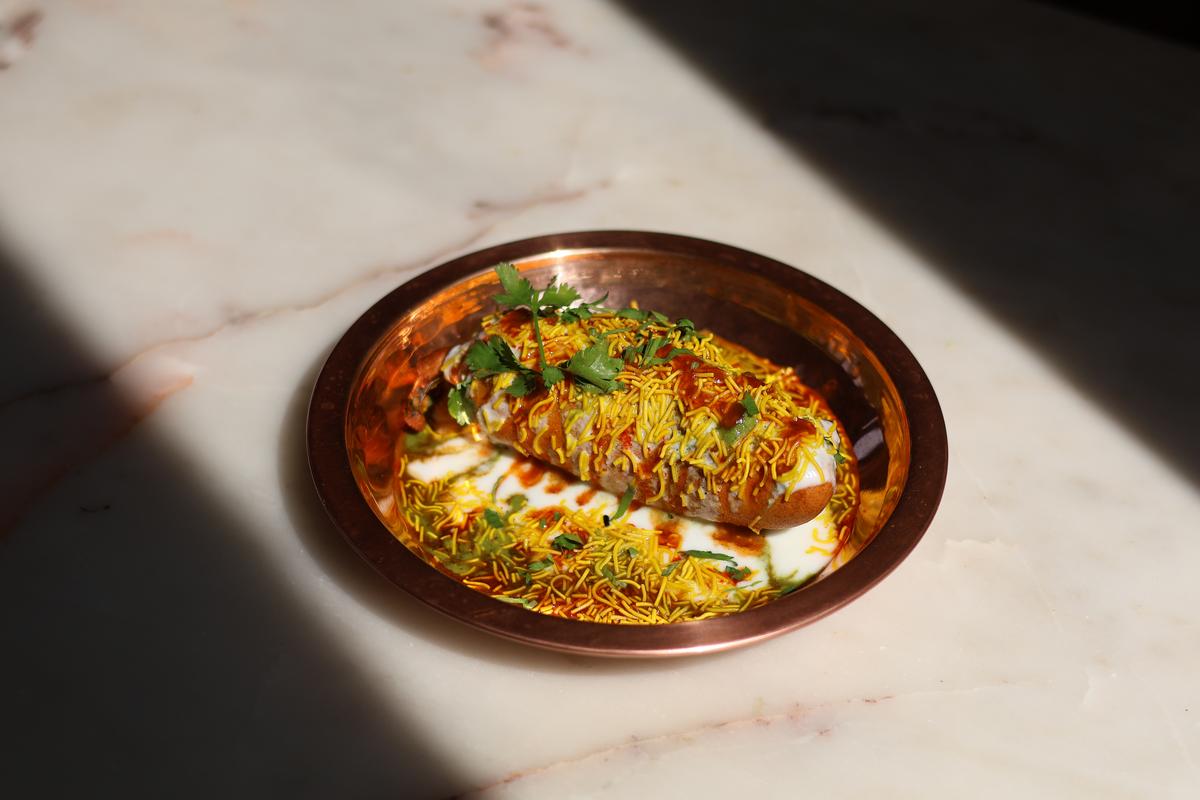
Mirchi bada
By the time the Thar Mirage appeared, I was negotiating with my own capacity, yet the drink felt assured. Nopal and cactus met mezcal and a restrained floral note in a combination that could have become theatrical but instead remained poised. The mezcal’s smoke provided structure, the cactus lent a green, almost succulent freshness, and the floral finish softened the edges without drifting into perfume.
I will admit that some of the drinks were a tad sweet, which I later learned is a preference among many drinkers in Udaipur. If you do visit, my suggestion would be to ask the mixologist to go light on the sweetness.
As the night drew to a close, the conversation segued into easy laughter. It was in that unguarded hour that the evening seemed to distil itself. I understood then that what Udaipur offers is not hospitality in the perfunctory sense, but something more layered: a city that welcomes you not only with warmth, but with its own interpretations of flavour and ritual.
A meal for two costs ₹3000 plus taxes
Published – February 28, 2026 02:36 pm IST