



Waymo’s Expansion Is Leaving Tesla In The Dust
After some early pushback, the protestors have laid down their traffic cones and Waymo taxis have become a mainstay of urban life where I live in the San Francisco Bay Area.
Now the company is working hard to bring its driverless taxis to many more cities in 2026. After a flurry of expansion announcements last year, the rubber is actually hitting the road.
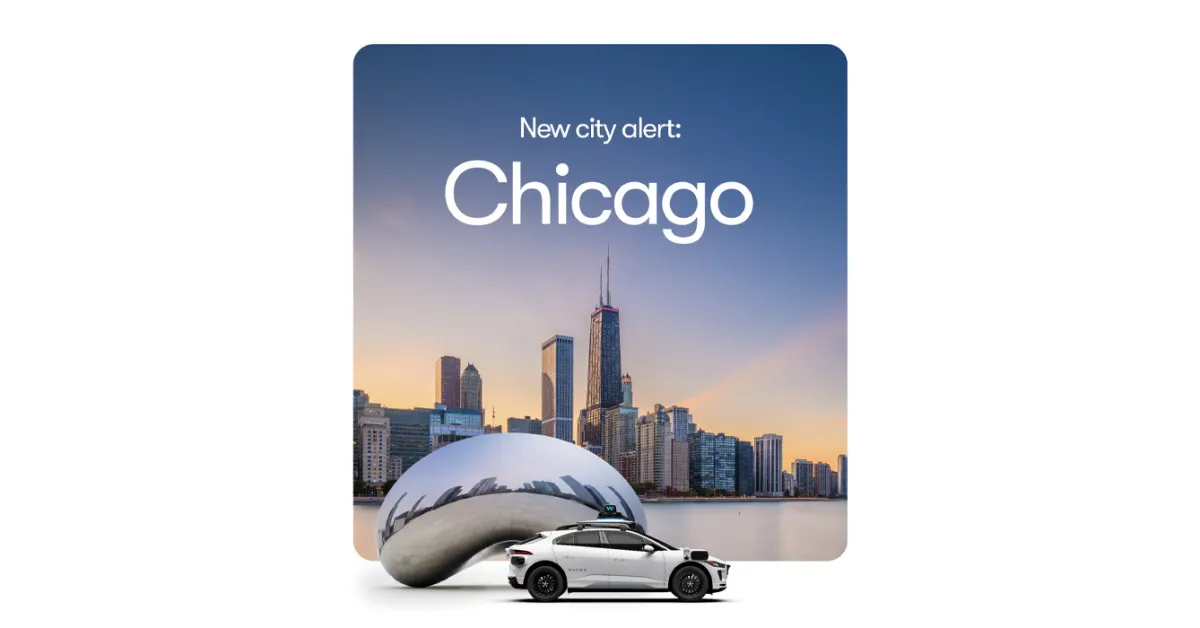
On Tuesday, Waymo opened up public rides in four additional cities: Dallas, Houston, San Antonio and Orlando. That brings the total number of metro areas where you can order a Waymo to 10. (The others are San Francisco, Los Angeles, Phoenix, Atlanta, Austin and Miami.)
The company said it will open access to a limited number of riders at first, before adding more users in those markets over time.
The must-read auto and tech briefing hits your inbox each morning at 8 AM.
Waymo has been working on self-driving cars since 2009. Now it is expanding at an astonishing pace.
Early last year, the Alphabet-owned firm was doing 200,000 paid rides per week in San Francisco, LA and Phoenix. By the end of 2025, that jumped to 400,000 rides weekly across six metro areas. By the close of this year, the company is targeting 1 million rides per week. It’s also announced plans to operate in at least 20 cities around the world in the near future.
Others in the space are largely playing catch-up. Uber wants to leverage its massive scale in ride-hailing to control the rails of the autonomous revolution, as my colleague Suvrat Kothari detailed in a fantastic piece out yesterday. Waymo cars are available exclusively on the Uber platform in a couple of cities.
But you know who wasn’t mentioned in Waymo’s Tuesday announcement? Uber. Maybe Waymo thinks it can scale up all on its own, thank you very much.

Tesla’s Robotaxi service has been slow to scale since it opened for business last summer in Austin.
Photo by: Patrick George
Tesla is widely seen as a leader in autonomy (hello, $1.5 trillion market cap). And in many ways it is; the automaker was early to the end-to-end, AI-driven approach to self-driving that has now come to dominate autonomous-car development. But the gap between Waymo and Tesla is widening.
Tesla’s Robotaxi service has barely scaled since it opened for business last summer, with 44 vehicles currently active in Austin according to the independent Robotaxi Tracker website. Tesla has laid out plans to add more cities this year, but it’s fallen short of those promises before. Last year, Elon Musk said half the U.S. population would be served by his Robotaxis by the end of 2025. And yet, Tesla is still only operating driverless Model Ys in Austin.
Tesla has recently taken steps to remove the safety monitor from its vehicles, but that’s happening slowly. Meanwhile, Waymo has been logging human-free rides for years now.
To be sure, Waymo’s ambitious global expansion won’t happen overnight. The firm needs to navigate a patchwork of local AV regulations, while setting up fleet management, charging and other operations in new locations. It needs to make sure its taxis work safely in new areas too. (It’s being scrutinized by regulators for the way its taxis act around school buses, and for an incident when a Waymo hit a child at low speed.) Putting a few robotaxis in a new market is one thing—scaling up to hundreds or thousands is another.
Tesla and its proponents argue that the automaker can scale better than Waymo because of its vast fleet of cars and simple, camera-only approach to autonomous driving. Maybe they’ll be right some day. But right now, it looks like the opposite is happening.
Contact the author: Tim.Levin@InsideEVs.com