




Science Snapshots: February 22, 2026
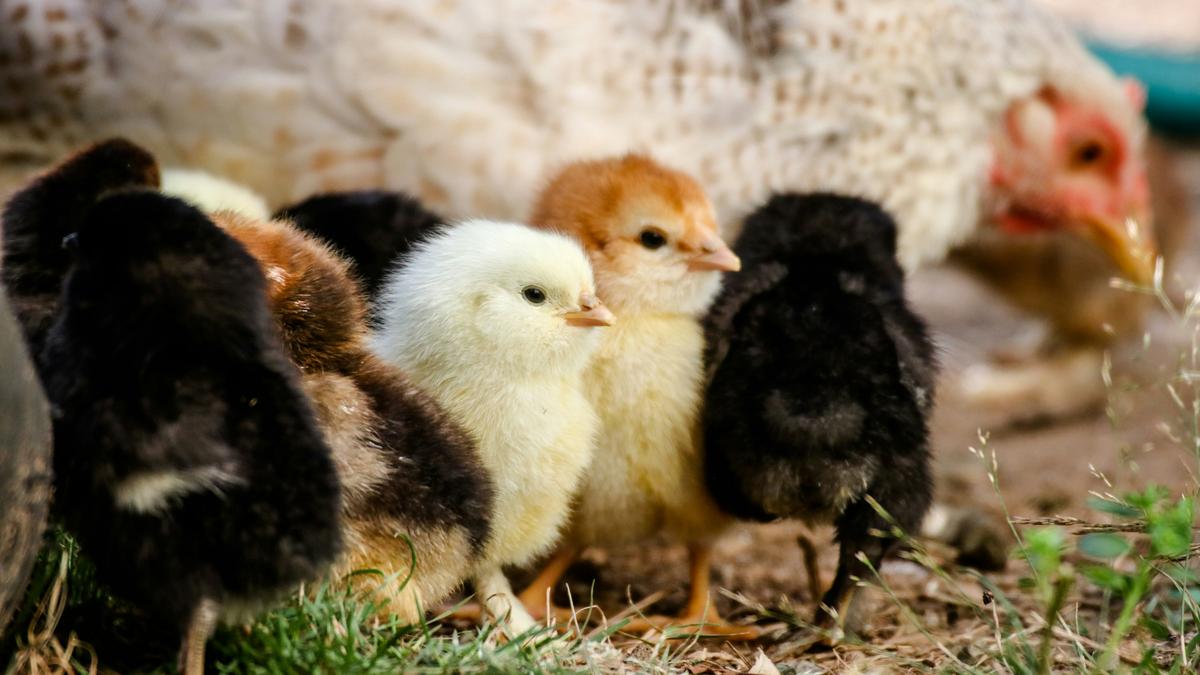
Chicks, like humans, often match “bouba” with round shapes and “kiki” with spiky ones.
| Photo Credit: Michael Anfang/Unsplash
Scientists find bouba-kiki effect in three-day chicks
Humans often match “bouba” with round shapes and “kiki” with spiky ones. Researchers raised baby chicks, then played the sounds while showing them the two shapes. Three-day-old chicks chose the round shapes more often when they heard “bouba” and spiky shapes more often when they heard “kiki”. The study concluded brains may come pre-wired to connect sounds and shapes and this ability may be shared across species, supporting the idea that the link starts from perception.
Laser pulses turn glass into super-dense data store
Microsoft researchers have found a way to store data inside a 2-mm-thick glass plate by firing short laser pulses to create 3D pixels in hundreds of layers. Each pixel could be made to represent more than one bit, and the team found a 120 mm x 120 mm plate could hold 4.8 TB. A borosilicate glass version was also projected to be stable for 10 millennia. They could ‘read’ the data using microscopes and machine-learning.
Psychedelic could join depression treatment options
In a trial, 34 adults with moderate to severe major depressive disorder randomly received either an intravenous dose of DMT, a psychedelic, or placebo. Two weeks on, the DMT group reported a larger drop in depression symptoms and also improved more after a week. The benefits were found to last up to three months, side effects were mild or moderate, and there weren’t serious safety issues. The results point to a new treatment option pending more tests.
Published – February 22, 2026 04:39 pm IST