




Buffer zones in Manipur may need to continue where wounds of violence remain deep: Deputy CM Nemcha Kipgen
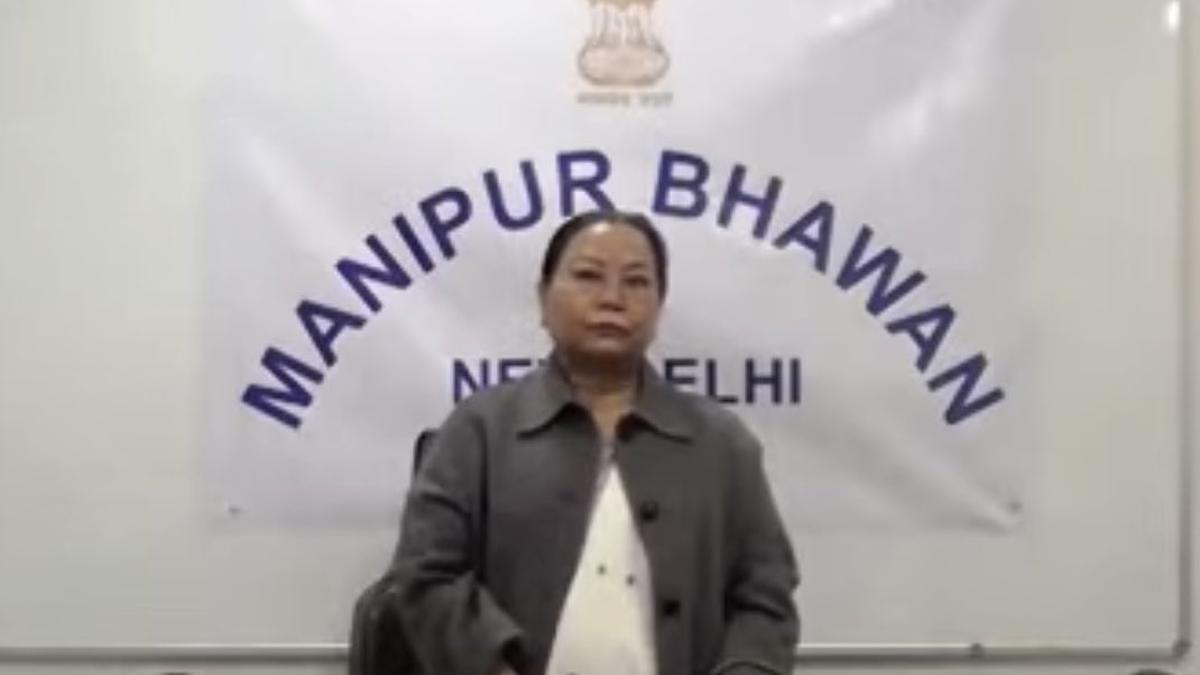
On February 4, a new government was installed in Manipur after the ethnic-strife hit State remained under President’s Rule for a year. Along with Chief Minister Yumnam Khemchand Singh, a Meitei, two Deputy Chief Ministers — Nemcha Kipgen, a Kuki-Zo and Losii Dikho, a Naga — were appointed ensuring all the three major communities are adequately represented.
Ms. Kipgen, who is at present in Kangpokpi, took oath from Manipur Bhavan in New Delhi and is yet to be allotted a portfolio, visit Imphal to assume office or attend the Assembly session. More than 250 people were killed and around 60,000 people were displaced after ethnic violence between the Kuki-Zo and Meitei people erupted in the Northeastern State on May 3, 2023.
 What are your expectations now that the new government has been formed in Manipur?

Women in most countries and societies constitute roughly 50% of the population. This reality should be reflected in any democracy when it comes to representation. I have been made the first woman Deputy Chief Minister of Manipur, and I sincerely thank the central BJP leadership for this trust. I will do my best to contribute towards peace, harmony, inclusive development, and gender justice as a woman leader. I am optimistic that under the leadership of our Chief Minister, Y. Khemchand Singh, this government will rise to the expectations of the people.
What role do you see for yourself in furthering peace as a Deputy Chief Minister?
My approach toward peace over violence will be care-centric. Women, in general, are caregivers by nature. A caring mother nurtures a peaceful home, and from that foundation, peaceful communities and societies are built. I would like to carry forward this essence of care, empathy, and responsibility in serving the people of Manipur as its first woman Deputy Chief Minister, while also addressing other pressing governance concerns.
How do you plan to operate and fulfill official responsibilities from outside Imphal?
Circumstances have made governance unconventional, but responsibility remains unchanged. One’s physical location does not diminish constitutional duty. I will function through constant coordination with officials, security agencies, and colleagues in government. At the same time, being closer to affected areas allows me to remain grounded in the lived realities of the people, which should inform policy decisions rather than distance them.
Should the buffer zones between Kuki-Zo and Meitei areas continue or shall they be removed?
My response would be both yes and no. Buffer zones may need to continue in areas where the wounds of violence remain deep. Healing takes time, and safety must be the first priority.
There have been protests after you took charge as deputy CM. How do you plan to convince people in Churachandpur about your decision?
I am a leader from my community, and I represent my people, not myself. I understand that there has been misunderstanding and concern regarding my decision to take charge as Deputy CM. The protests reflect pain, fear, and political anxieties born out of prolonged suffering, and I respect those emotions. This decision was taken in good faith and with a sense of long-term responsibility, not personal ambition. Sometimes leadership requires stepping into difficult spaces rather than remaining outside them.
As a woman from the community, I understand the burden families, especially mothers and displaced women are carrying. My commitment is to ensure that the concerns of my people are represented at the highest level. Trust cannot be demanded; it will be built through time, sincerity, and visible actions. I would only request that people do not judge too quickly, but allow the outcomes to speak for themselves.
How was a consensus reached on Y. Khemchand Singh’s name? Why is he an acceptable candidate?
From my personal association with Y. Khemchand Singh during our journey in Manipur’s legislative politics, I have found him to be a leader who advocates and practises multicultural understanding. Manipur is a multi-ethnic State that has often witnessed contestations and tensions among different communities. He is someone who believes in addressing these fault lines through recognition of diversity and respect for differences within the framework of the Constitution. He respects minority rights — not only in terms of ethnicity, but also in terms of gender and broader human dignity. These qualities have made him an acceptable consensus leader at this crucial juncture.
Why were you in Delhi and not Imphal for the oath-taking ceremony on February 4?
Given the prevailing security situation and certain logistical constraints at that time, it was considered more appropriate for me to remain in Delhi. This was a practical decision based on safety considerations and not a reflection of disengagement from the State. My commitment to Manipur and its people remains unwavering.
As a Cabinet Minister from a tribal community, how are you planning to address differences among Kuki, Zomi, Hmar, Thadou and other tribal communities who assert distinct identities?
The assertion of distinct identities reflects lived histories and political realities that deserve recognition and respect. While communities may share experiences of suffering, each must be hear don its own terms. My approach will be consultative and inclusive, ensuring that no identity feels overshadowed. At the same time, we must recognise the common ground that binds us — our shared spaces, tribal heritage, cultural values, languages, faith traditions, social institutions, and our collective future, especially the future of our children. Harmony does not mean sameness; it means respecting distinct identities while strengthening the bonds that allow us to live together as one society.