




When waiting becomes work – The Hindu
Waiting rarely looks like work, especially when it happens on a phone screen. But for millions of gig workers, it is the longest part of the job.
On December 25 and 31, thousands of gig workers across Indian cities logged out in protest, demanding fair wages and better working conditions. Platform companies, however, insisted that operations continued “at record pace” unaffected by the call for strikes. This response in itself shows how India’s gig economy is built on the assumption that labour is endless and replaceable. Thus, collective action by workers rarely disrupts platform business models which are sustained by surplus manpower.
According to NITI Aayog, India currently has around 7.7 million gig and platform workers and this number is projected to rise to 23.5 million by 2030. Yet this explosive growth has not translated into decent earnings. A recent study by delivery platform Borzo across 40 cities found that nearly 78% of delivery workers earn less than ₹2.5 lakh annually. For many, even this figure conceals long hours, unpaid waiting time, and mounting work-related costs.
Platforms advertise gig work as flexible — log in when you want and work where you choose. In practice, flexibility is largely illusory. Logging in at the “wrong” time or in a low-demand zone drastically reduces earnings and logging out before completing incentive thresholds can change a day’s income. Thus, workers end up shaping their lives not around personal choice, but around algorithmic demand curves, surge windows, and opaque incentive slabs.
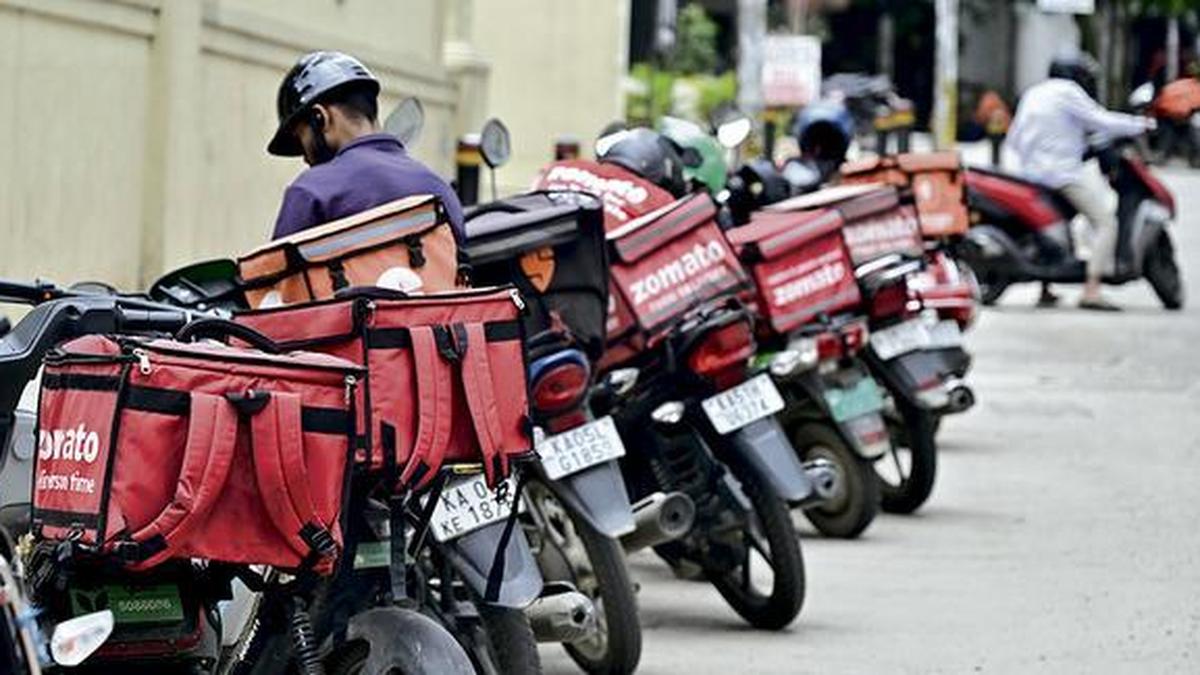
The most invisible component of this labour regime is unpaid time. Gig workers are paid only for “completed tasks”. Hours spent logged in, waiting for orders, waiting for customers to take that order from them or remaining alert for pings go uncompensated. The result is prolonged shifts spent chasing incentives that often recede just as workers approach them.
Dictated by algorithms
Despite being classified as “independent contractors”, gig workers are tightly managed by algorithms that control order allocation, earnings, incentives, and deactivations, often without explanation. Under the guise of market forces of demand and supply, targets change overnight, incentive structures shift without notice and penalties are imposed without much recourse. Low and uncertain pay is compounded by costs that workers themselves must absorb: fuel, vehicle maintenance, depreciation, accident risks, health expenses, and the absence of paid leave, pensions or job security. The platform’s flexibility, in effect, is subsidised by the workers’ precarious existence.
In addition to this, the ability of a platform economy to retain its workforce cannot be read as a natural indicator of fairness of the system. Rather, it exposes the helplessness of workers who remain tethered to it due to limited alternatives. These include those who are drawn in by low entry barriers but locked in by a broader failure of the labour market to absorb them elsewhere.
The new labour codes have given some hope to the gig workers in the form of formal recognition, contribution of 1-2% of turnover by aggregators to a social security fund, eligibility for government-notified insurance, and the formation of an expert committee under the National Social Security Board. However, despite recent reforms, core protections such as minimum wages, Provident Fund, and formal grievance mechanisms remain out of reach.
If India is serious about regulating platform labour, reforms must go beyond this. Three steps are essential. First, a minimum guaranteed pay for logged-in hours. Compensating workers for active availability, not just completed tasks, would recognise waiting time as labour. Second, algorithmic transparency and accountability. Platforms must be legally required to disclose how earnings, incentives, penalties, and deactivations are determined. Third, provision of formal grievance mechanisms. The recent strikes highlight how companies deflect grievances using targeted incentives to fragment worker solidarity instead of addressing underlying concerns.
The December strikes were not isolated disruptions. They were signals of a deeper structural imbalance. Gig workers are labourers whose vulnerability is engineered through algorithms, legal ambiguity, and market logic. Until waiting time, algorithmic control, and hidden costs are acknowledged, in law and in practice, India’s gig economy will remain flexible only for platforms, not for the people who keep it running.
yashaswinibahuguna14@gmail.com
Published – February 15, 2026 03:30 am IST