


Waymo’s Most Advanced Self-Driving System Yet Hits The Road
- Waymo is putting its latest-generation robotaxi on America’s streets.
- The sixth-generation Driver suite is cheaper, smaller and much more capable than its predecessor.
- The first car to get the new hardware suite is the Zeekr-made Ojai electric minivan, followed by the Hyundai Ioniq 5 crossover.
Waymo’s latest-generation hardware suite for driverless taxis is ready for prime time. The sixth-generation Driver suite is cheaper, more advanced and much more scalable than the previous hardware, which was exclusively fitted to the Jaguar I-Pace EV.
The robotaxi company’s new hardware suite uses a combination of high-definition cameras, lidar and radar to create a comprehensive 360-degree view of the vehicle’s surroundings, while also offering several fallback options, compared to Tesla’s vision-only approach.

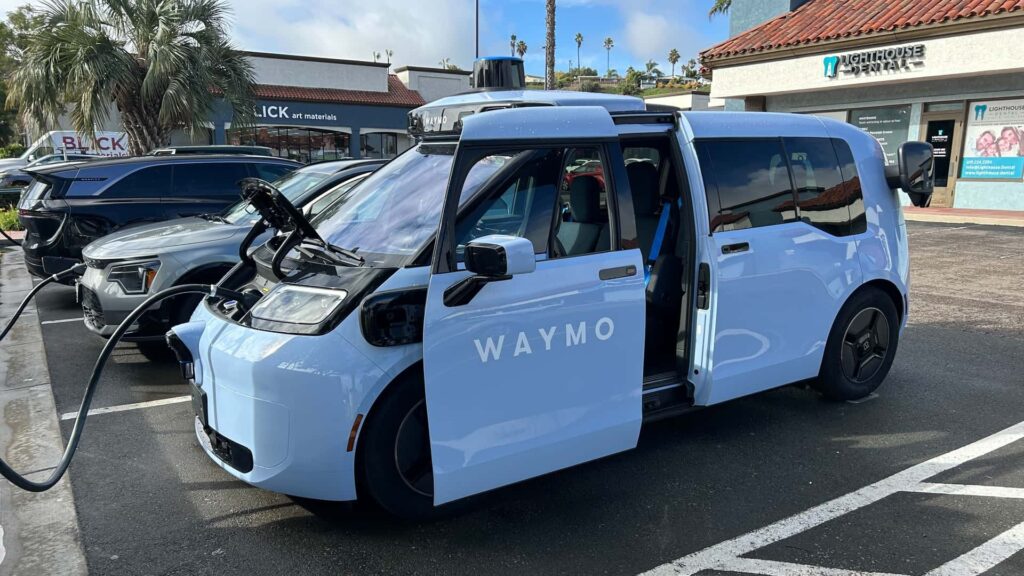
Waymo Ojai, previously known as the Zeekr RT
Photo by: Patrick George
The sixth-generation Waymo Driver will be fitted to the Zeekr-made Ojai electric minivan first, and the company will start offering robotaxi rides to employees in Los Angeles and San Francisco soon. Public rides will follow, and the company’s fleet will also start using Hyundai Ioniq 5 EVs fitted with the same Driver suite.
It’s all part of Waymo’s plan to significantly cut back spending and boost its presence in the increasingly crowded robotaxi market, where it currently leads the pack. The sixth-gen Driver suite was built specifically for “high-volume production,” with the Alphabet-owned company claiming that the sensor suite can be easily adapted to any kind of vehicle for easier and faster rollout.
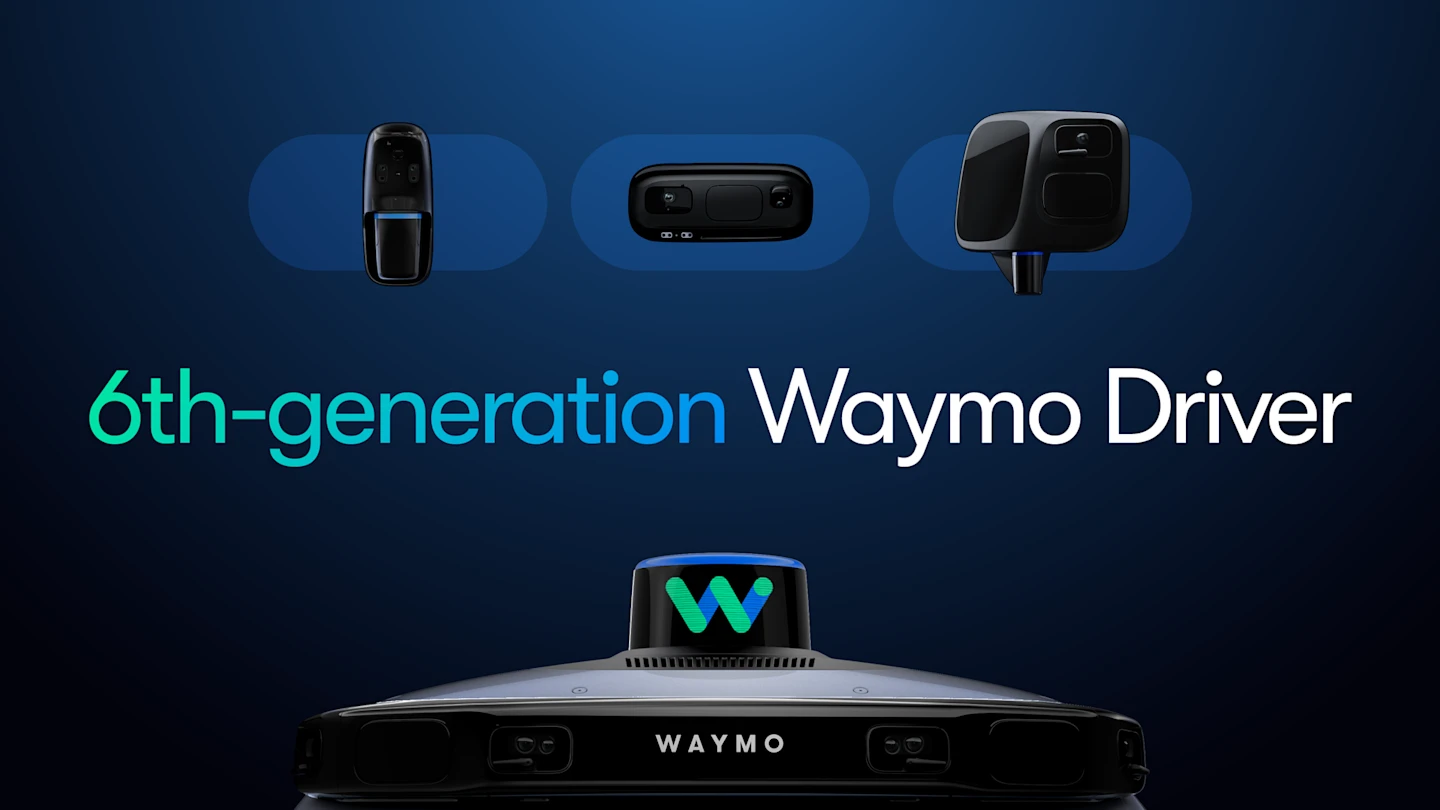
Waymo’s sixth-generation Driver
Photo by: Waymo
Waymo wants to add 20 new cities to its portfolio this year, which means it will need a lot more cars on the road, but the company has already started scaling its factory in Metro Phoenix to be able to churn out tens of thousands of Driver hardware kits every year. As more units are built, costs decline.
Getting back to the sensors, the sixth-gen hardware suite blends several high-powered cameras, short-range lidar and radar, which were developed in-house by Waymo with an emphasis on high usability in all types of weather conditions. As a result, there’s a cleaning system for most of these sensors, so if they get covered with snow, it shouldn’t impair the robotaxi’s driving abilities.
The Hyundai Ioniq 5 with Waymo’s sixth-generation Driver suite will offer public rides, too.
Photo by: Patrick George
In the camera department, the latest system uses a total of 16 17-megapixel cameras that can capture “millions of data points for incredibly sharp images,” according to Waymo. Compared to the previous-generation system, which had 29 cameras, the new “imagers” (that’s what Waymo calls them) also have significantly improved dynamic range, allowing them to “see” a lot better during the night.
Then, there are short-range lidar units, which help identify vulnerable road users, while adding “centimeter-scale accuracy” into the mix. A set of more affordable radar sensors is also integrated into the sensor suite, and there’s an improved set of external audio receivers, or EARs, which can detect approaching emergency vehicles or trains from their sound signature.
Currently, Waymo’s fleet has around 1,500 cars, and the company aims to boost that number to 3,500 this year. However, the ultimate goal is to have tens of thousands of robotaxis on the streets.