





What is a blimp? – The Hindu
It is not a giant balloon. It is not an airplane.
| Photo Credit: Getty Images/iStockphoto
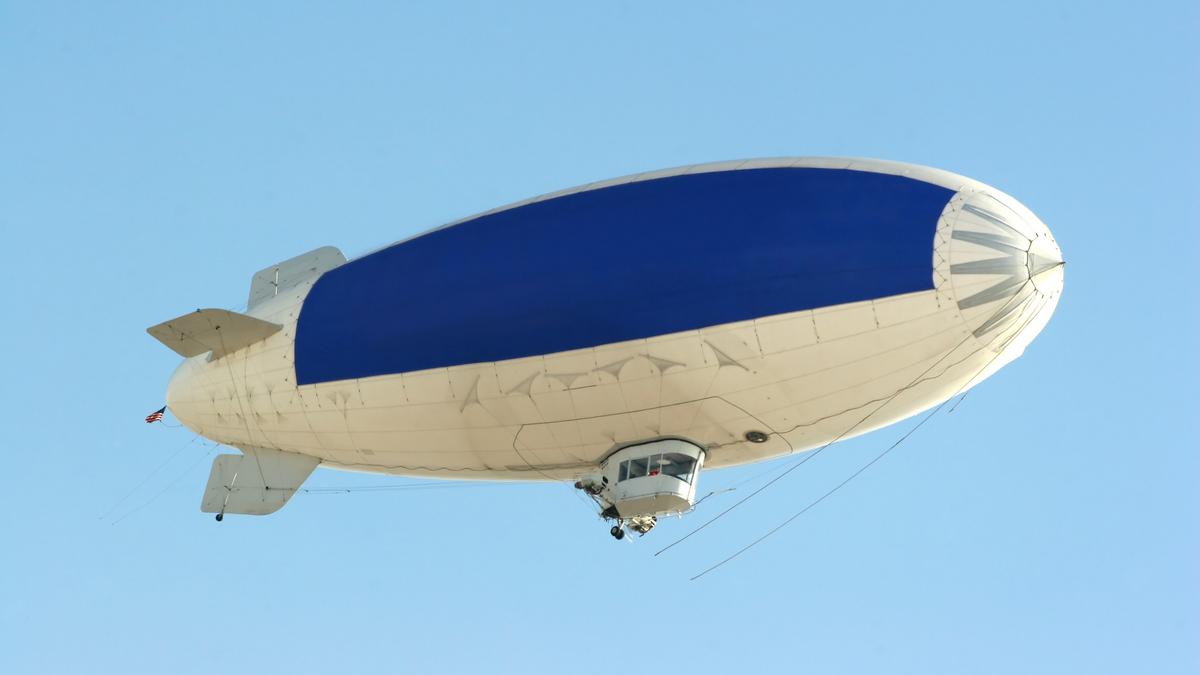
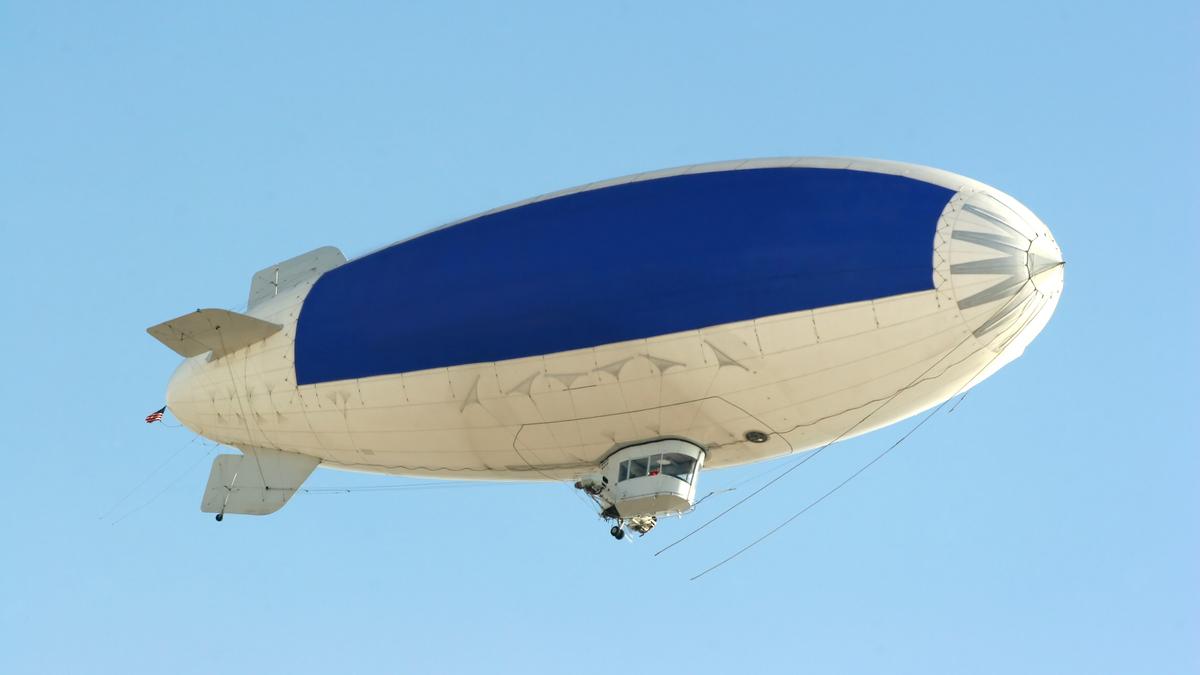
It is not a giant balloon. It is not an airplane. Well, it is in spirit, both. A blimp is a type of airship. Airships are, simply said, lighter-than-air pressure ships. Technically, it is a powered (like how we say ‘engine-powered’ for example) and steerable lighter-than-air aircraft. Hence, it is ‘self-propelled’. Lighter-than-air (LTA) here means that the aircraft uses lifting gas that is less dense than the air around. A blimp floats with the help of buoyant force.
Airships are of three types, namely, non-rigid, semi-rigid, and rigid. Non-rigid airships also go by the name, blimp.
The famous example of blimps are the goodyear blimps.
A blimp cruises in the sky at an average speed of about 25–30 km/h.
Get on a blimp!
I doubt only a handful of you may have heard of this, much less see an actual blimp in the sky. Ever since airplanes became the ‘it’ thing in aviation, blimps became a gentle casualty. During the World War eras, the military had wonderful uses when it came to airships. Blimps were used in a prolific fashion by the navy for patrolling, surveillance, and anti-submarine warfare. Getting on a blimp was quite frequent for many as part of national defense.
Why? Blimps were utilised for such functions in the war because of its slow speed, steady flight capabilities, and dynamic maneuverability.
It is a ‘Goodyear’!

A goodyear blimp.
| Photo Credit:
Unsplash Images
In 1925, a tire company called Goodyear debuted their first blimp called ‘Pilgrim’ setting the tone for a blimp legacy. The company was already providing airships for the U.S. Navy during World War I. Soon, the goodyear blimps started to ace the advertising and public relations market. Even today, the iconic goodyear blimps can be spotted at major sports events.
What’s inside?
Helium. Modern blimps are almost always inflated/filled with helium gas.
Why? Helium is opted as it is non-flammable and safe. Early blimps often used flammable hydrogen which had a high risk of disasters. Due to many crashes, the popularity of airships declined during the 1930s.
There is a gondola or solid passenger car where people can ride. The aerodynamic shape of a blimp along with the four fins give it the stability that it requires.
Blimps are less expensive to construct than airplanes
Compared to the rigid type of airships, blimps lack an internal skeleton. If the air with which it is filled is removed, the blimp loses its shape. This is why we can say blimps are like pressurised balloons.
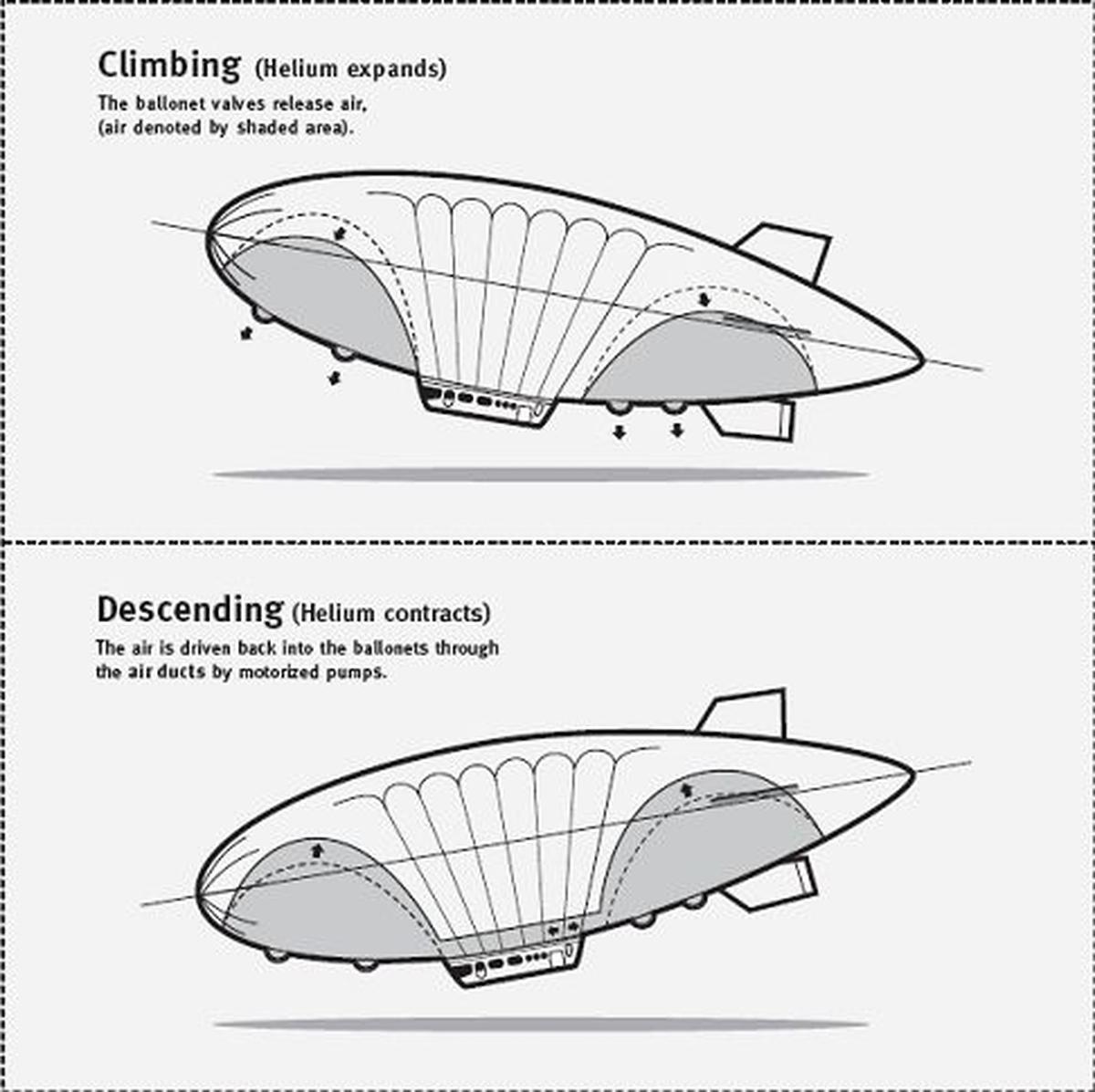
Blimps are like pressurised balloons.
| Photo Credit:
Wikimedia Commons
The striking huge balloon-like body we see on a blimp is called a ballonet. Ballonets are flexible, inflatable compartments in airships whose volume can be adjusted to counteract the changes in the lifting gas’ size.
While blimp is a non-rigid airship, the rigid airships are also called dirigibles. An iconic dirigible is the Zeppelin airship, named after the German inventor Ferdinand von Zeppelin.
Published – February 12, 2026 03:31 pm IST