



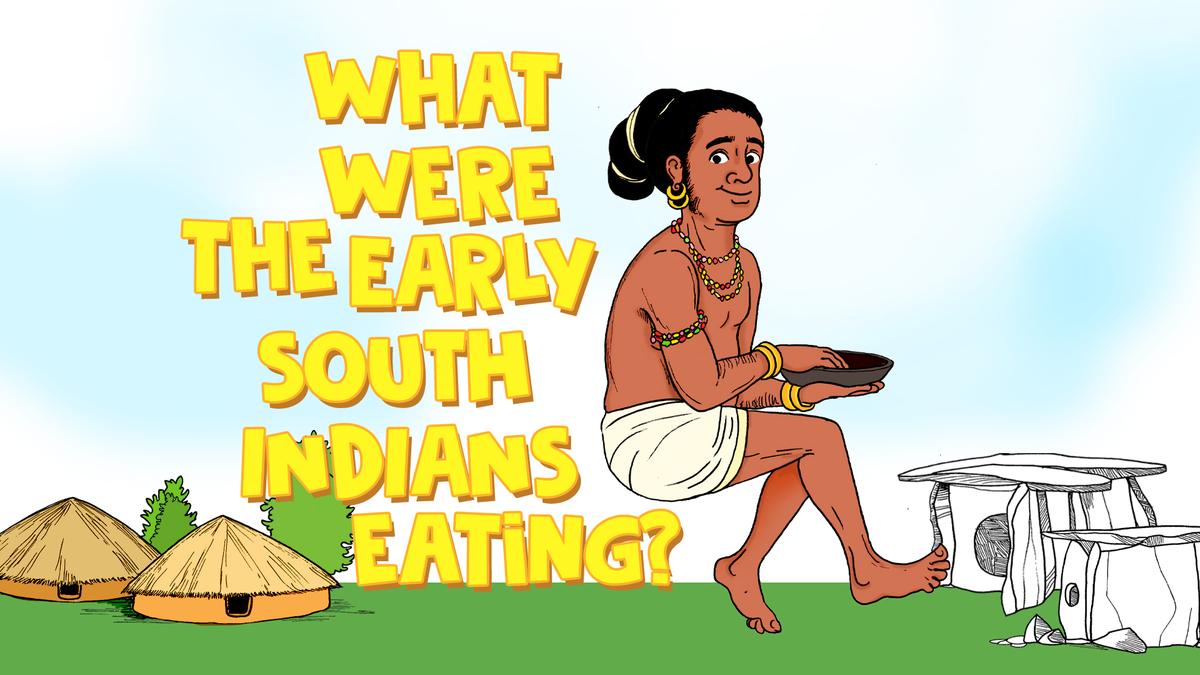
This new video series explores India’s past through food
What were the people of Harappa possibly eating over four-and-a-half thousand years ago? Evidence suggests millets, garlic, ginger, brinjal, peas, lentils, bananas, grapes, mangoes, turmeric, walnuts, meat and fish, say archaeologists Supriya Varma and Jaya Menon in the first episode of a new video series titled Indian History, Thali by Thali.
The series, an initiative of the Historically Tempered Collective, is an attempt to “start a conversation about history with something as basic as what you are eating,” says Meera Iyer, convenor at INTACH Bengaluru chapter, who is part of the collective with historian Janaki Nair, author and educator Saisudha Acharya and educator Ajay Cadambi.
The 15-episode series, which was formally launched last week at Sabha BLR, closely examines how food is intertwined with culture, hierarchies, religious rituals, and global trade, among other things, given that India is “this madhouse about food. It is so complex, hierarchised and divided, that one can talk endlessly about a large number of themes, just using food as the peg,” says Nair.
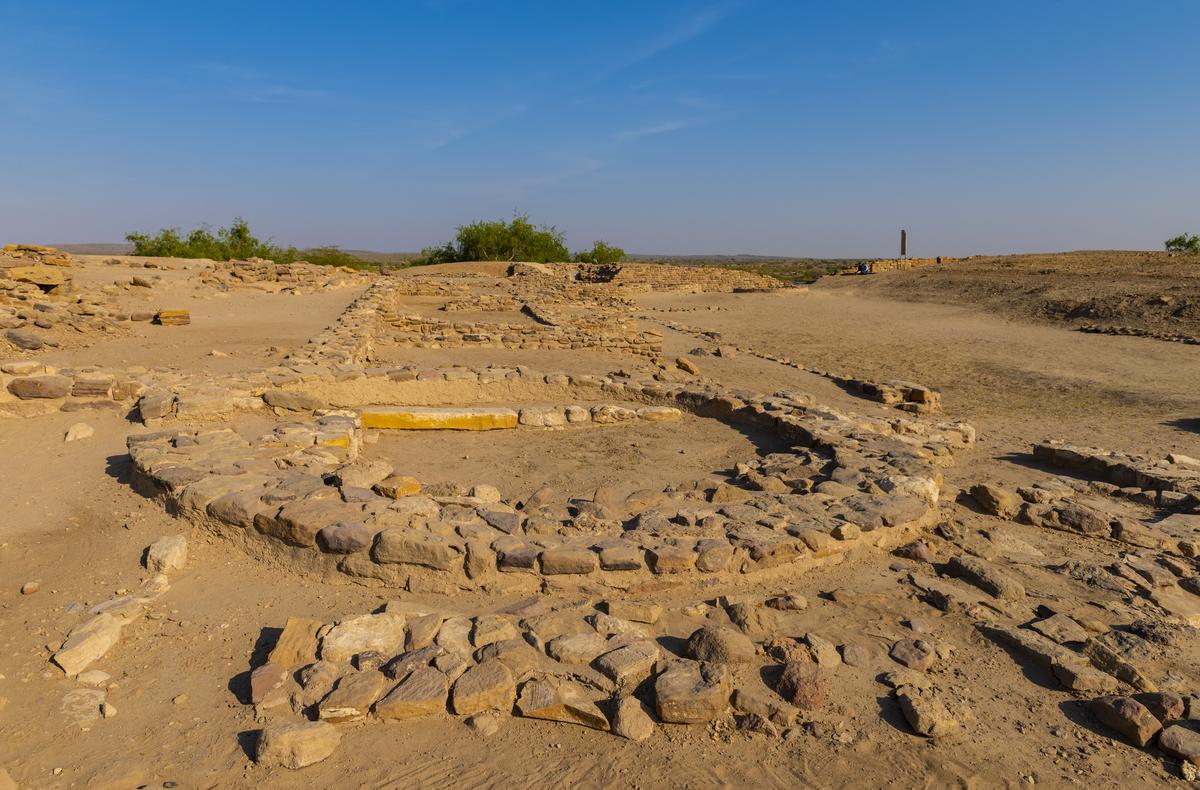
Ruins of the Harappan city, Dholavira
| Photo Credit:
Getty Images/iStockphoto
The idea for this video series sparked around two years ago, after Iyer, Cadambi and Acharya attended a course that INTACH had organised with Janaki titled ‘Understanding Contemporary India’. “It was Ajay Cadambi who kicked off that conversation because he said we have so many interesting materials and resources for teaching American and European history, but we don’t have them in India. So, I said, let us make them,” recalls Nair. And turning to videos was an obvious choice because “we felt the video form was accessible,” says Cadambi.
The videos also seek to shift the discourse away from viewing India’s ancient history almost exclusively through the lens of a glorious ancient India, something Nair finds tiresome. “Both anti-colonial nationalism and current-day ethno-nationalism need history in particular ways, but we are not interested in nationalist discourses,” she says, pointing out that there are ways of thinking about the history of ordinary people in lively and interesting ways, which is history as an argument about the past.
“We are not saying that this is the definitive story we are going to tell you, and that is why you should feel proud of being an Indian,” she says. Instead, it is to communicate how historians make the claims they make and the limitations of those claims, something all the featured experts are very frank about.
“An enormous amount of good social history has been written in the last 40 years, but this has not been reflected in our everyday discourse about history. NCERT 2005-6 books attempted the change, but we have now returned to talking about who won which war, which dynasties ruled, and so on,” says Nair.
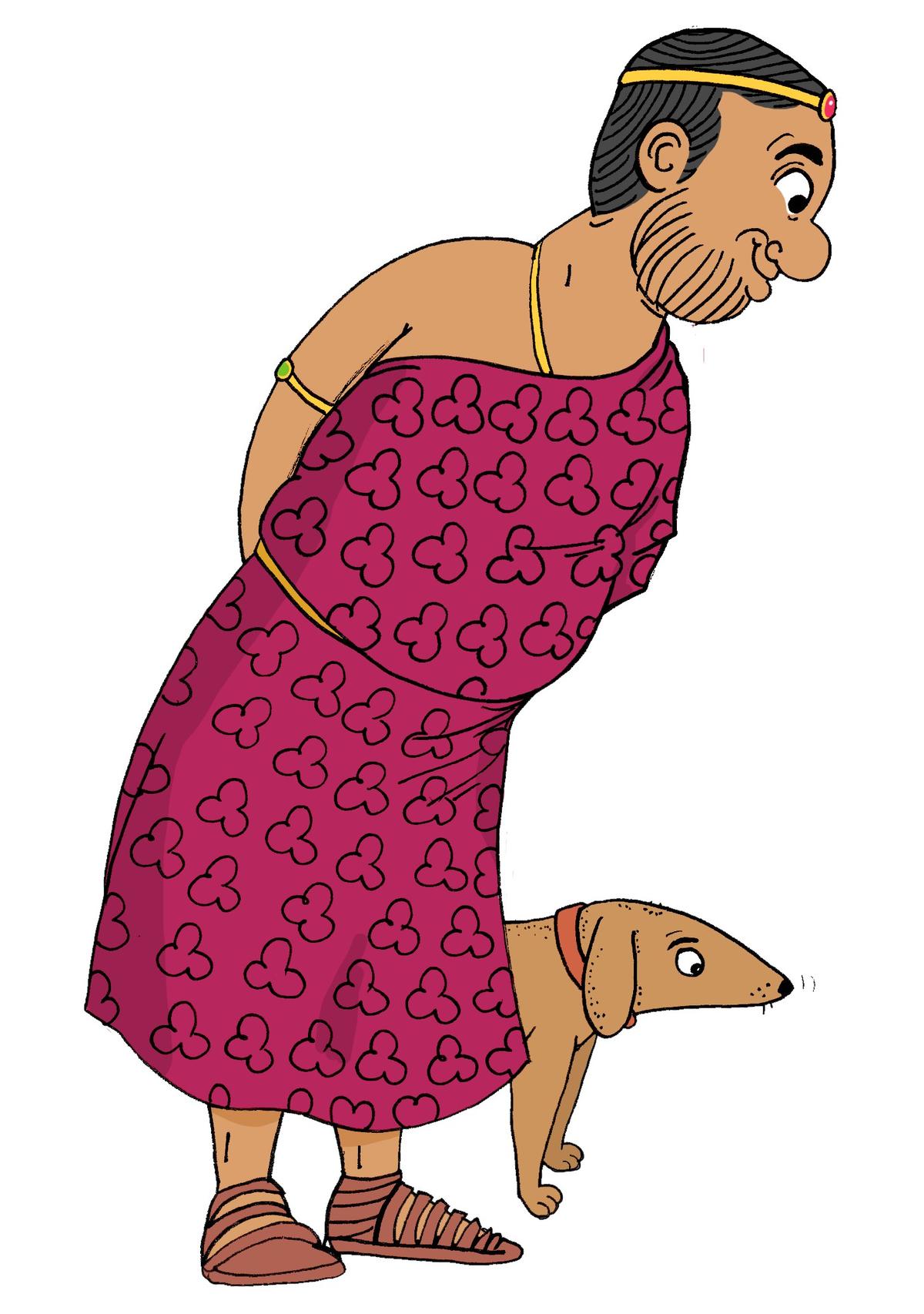
An illustration from the series
| Photo Credit:
Special Arrangement
They began by identifying accomplished scholars to participate in this series, both historians and archaeologists, including V Selvakumar, Romila Thapar, Ruchika Sharma, Mahmood Kooria, Tanika Sarkar, Kunal Chakrabarti and Charu Gupta.
“We listed a wide array of experts, some older and some younger, who have just completed their PhDs. So, it is a good mix,” explains Cadambi. The team has also tried their best to “cover different geographies, periods and societies,” says Iyer. “There is, overall, some element of linearity to it, but we also wanted to include societies that have not been spoken about so much.”
Indian History, Thali by Thali uses an engaging storytelling approach, comprising interviews with various experts, accompanied by Rohit Bhasi’s illustrations, Nilanjan Banerjee’s animation, and voice-overs by Sharada Ugra and Keshav Rajendran.
Every episode begins with the same question to a specific expert: “What was on the Indian thali during the period you have studied?” says Acharya, adding that this question allows the expert to talk about a number of things food touches on, including gender, class, caste and hierarchies. “In that process, we are bringing history out from just palaces and battlegrounds into kitchens, fields, temples, prisons…places that are ordinary and whose stories are accessible to a young viewer.”
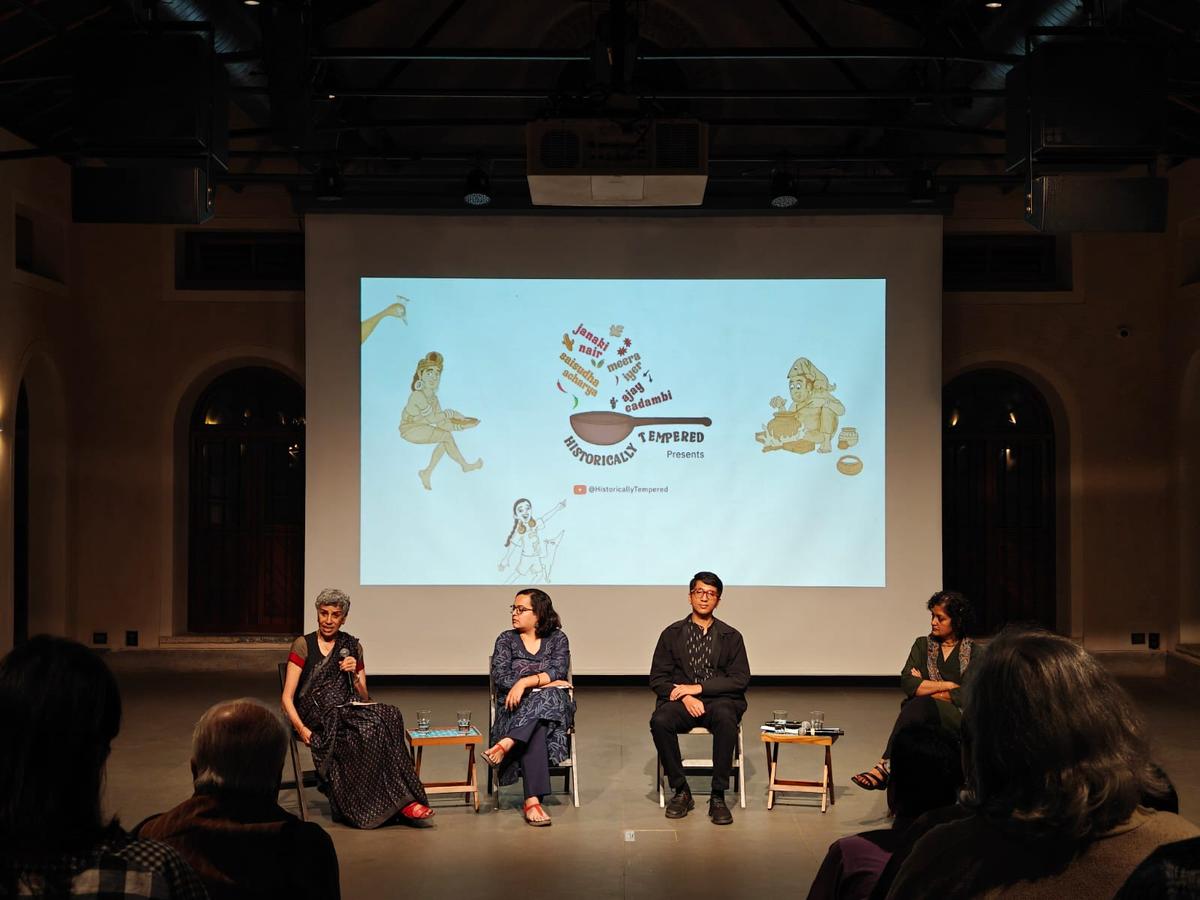
At the series launch in Sabha BLR
| Photo Credit:
Special Arrangement
It is also, she says, a way to talk about the historical process, “how historians know what they know,” something Acharya, who used to teach history earlier, says we do not talk about enough. The videos are not just asking historians what they know about what people’s eating habits were in the past, but also how they go about investigating the question. “When I was in school, I don’t think I understood what a historian did. It often sounds like everyone can be a historian, but it isn’t that; there is a specific process that they are following, something these videos show you,” Acharya says.
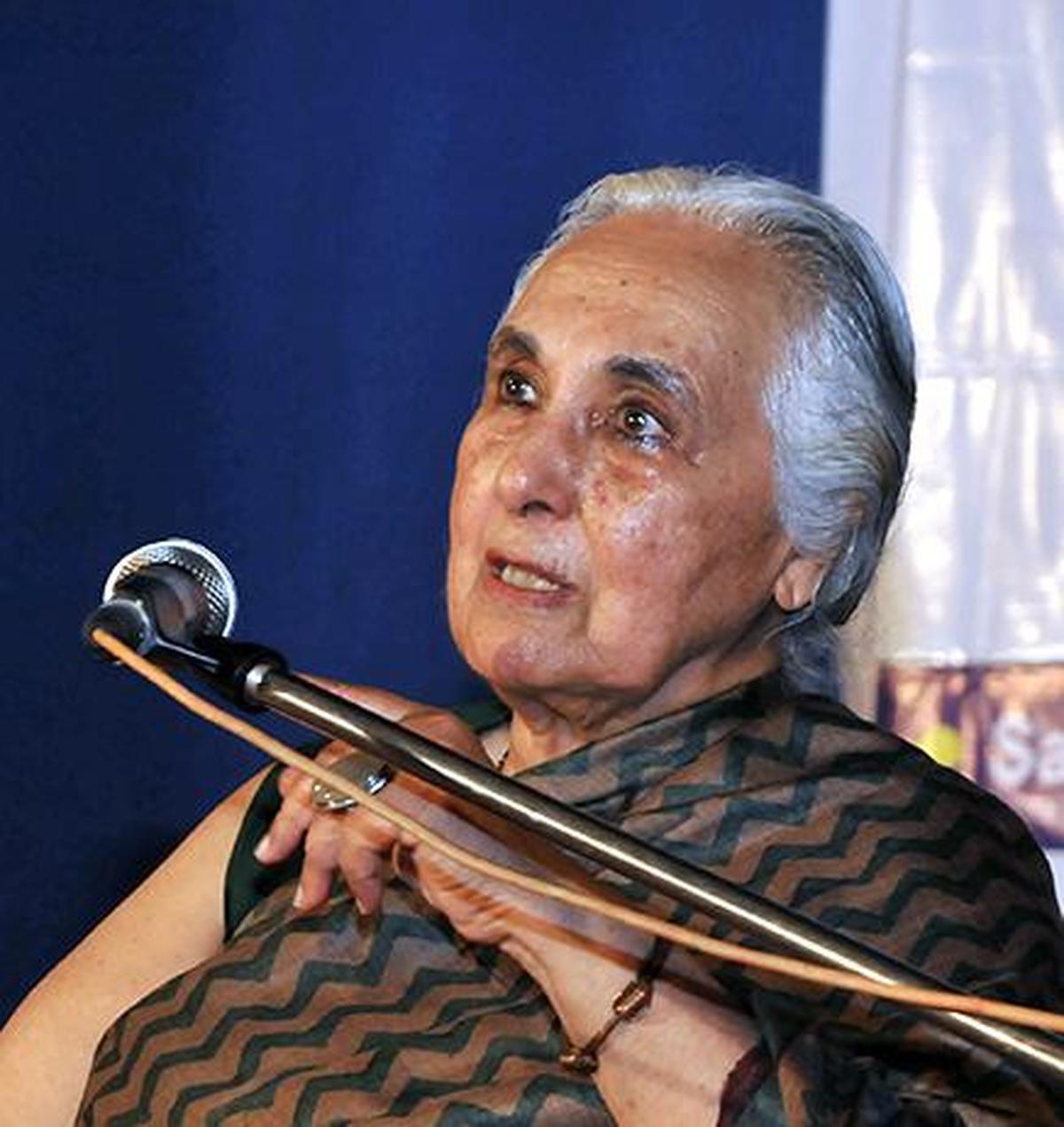
Romila Thapar
| Photo Credit:
MANJUNATH HS
The collective hopes that the series, which has been largely funded by friends and family and is available in the public domain, can serve as a useful learning resource. “Given the length of the video, it is likely that school teachers are best poised to introduce learners to these videos, which have been created in a way that will appeal to a child,” says Cadambi, who also hopes to conduct workshops with educators, time and funds permitting, that can help them make this introduction. “I think that, at some level, it is fair to argue that our school history textbooks have done us a disservice, and we need something more.”
Indian History, Thali by Thali streams on www.youtube.com/@HistoricallyTempered