




When Shanti means nuclear energy
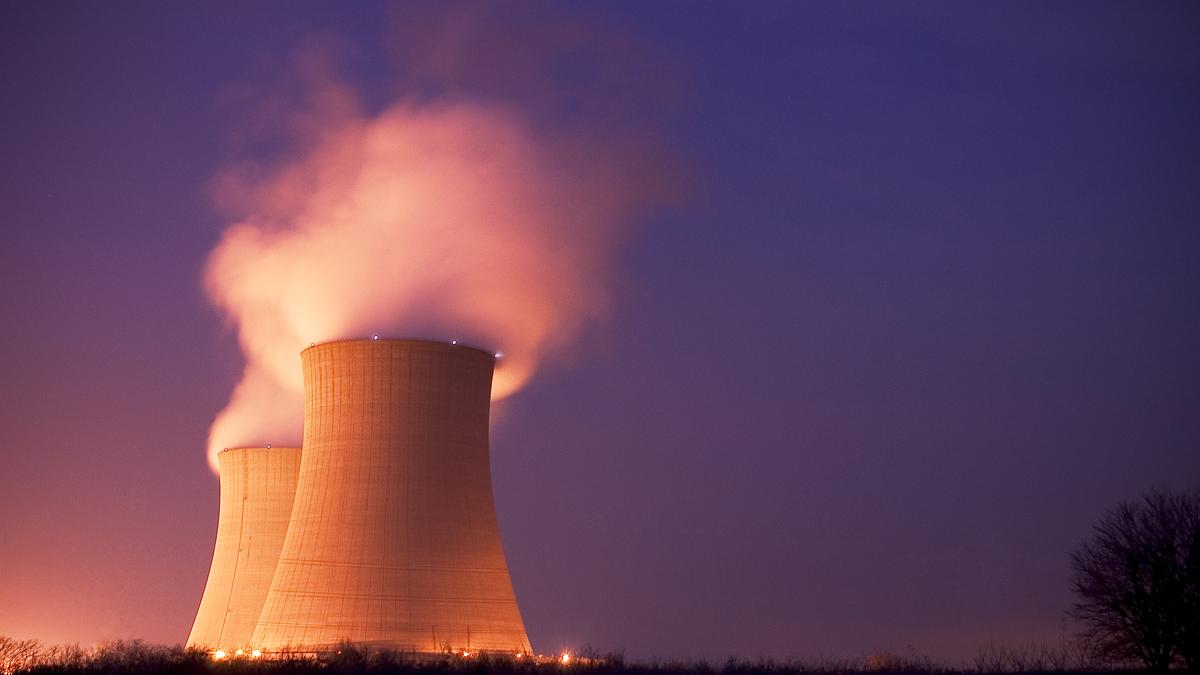
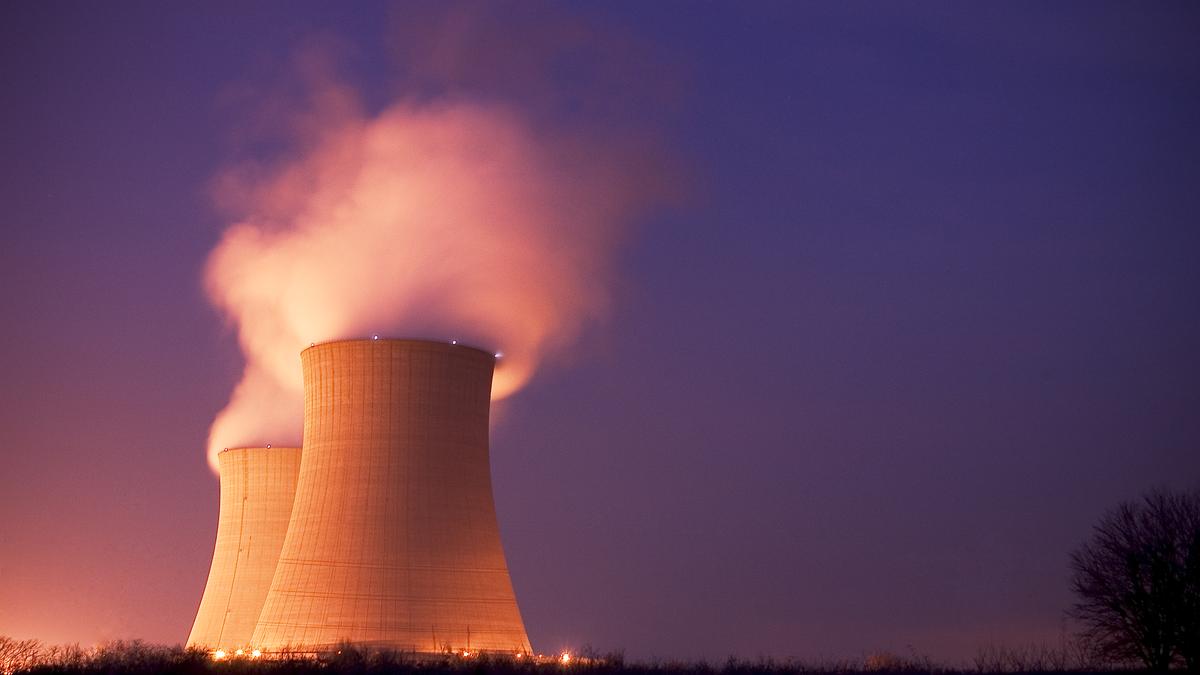
Tthe civil nuclear deal was a watershed moment not just for India’s energy needs but also for the defence relationship between Washington and New Delhi.
| Photo Credit: Getty Images/iStockphoto
Christmas came a bit early in New Delhi in December as the SHANTI Bill, 2025 was tabled in the Lok Sabha on December 15. SHANTI stands for Sustainable Harnessing and Advancement of Nuclear Energy for Transforming India, and the Bill, approved by the Lower House on December 17, made its way to the Rajya Sabha the following day for approval and received assent from President Droupadi Murmu on December 20.
The enactment of the SHANTI Act, 2025 is a watershed moment and turning point in India’s energy landscape. The legislation represents the most comprehensive overhaul of India’s civil nuclear framework since Independence.
The Act repeals and replaces the Atomic Energy Act, 1962, and the Civil Liability for Nuclear Damage Act, 2010. Most important, its framework will break new ground on modernising the sector, especially opening its once much-guarded doors to private and foreign participation in nuclear power, lowering the drawbridge into a castle of new economic opportunities.
The Act further leverages the epochal India-U.S. Civil Nuclear Agreement. To understand this agreement is to understand the magnitude and turning point of U.S.-India strategic partnership. The relationship between Washington and New Delhi has had many contours and chapters and ebbed and flowed from a period of estrangement in India’s post-Partition story to a period of engagement in its post-liberalisation era of 1991.
In 1998, after India conducted the nuclear tests in Pokhran, Washington imposed nuclear sanctions under the Glenn Amendment, thereby slashing aid and international loans along with stopping defence sales that severely impacted a newly liberalised post-socialist era economy.
Since the turn of the millennia, sentiments changed. As sanctions eased by 2001, the relationship between the world’s oldest democracy and the world’s largest democracy was about to rapidly transform. Negotiations began in 2005 and paved the way for the landmark U.S.-India Civil Nuclear Agreement, now dubbed as the “civil nuclear deal”, in 2008. The deal allowed New Delhi access to civilian nuclear technology, despite India not signing the non-proliferation treaty (NPT) and not being a formal treaty ally.
Furthermore, the civil nuclear deal was a watershed moment not just for India’s energy needs but also for the defence relationship between Washington and New Delhi which moved from near zero in 2000 to $20 billion in defence sales now.
The nuclear deal marked a strategic shift and a major recalibration in Washington’s calculus, moving India from a nuclear recluse to laying the foundations of the strategic partnership, thus opening the window for potential nuclear trade and technology transfers.
The SHANTI Act marks a monumental push to fortifying India’s nuclear energy infrastructure and clean energy development, in line with Prime Minister Narendra Modi’s 2070 net zero goals. Mr. Modi described the passage of the Bill as “a transformational moment for our technology landscape”.
Bilateral ties
The Act adds another chapter to deepening bilateral cooperation, in advanced manufacturing and a boost for India’s sustainable energy future. New Delhi’s vision of a dual-fold Nuclear Energy Mission in 2025 was to achieve 100 GWe of nuclear capacity by 2047, which includes new large capacity reactors as well as small modular reactors (SMRs), which form a key part of the U.S.-India energy bilateral partnership and is necessary for scale.
Furthermore, the Act adds contemporary nuclear governance, strengthening regulatory independence and transparency while introducing a graded liability framework, thus improving bankability and supplier confidence. The Act will modernise the rules of engagement and make nuclear projects more attainable to private investors, technology partners, and equipment manufacturers if the proper regulatory framework is in place.
Two decades ago, sagacious policymakers in Washington and New Delhi worked on the civil nuclear deal, at time when bilateral ties were modest at best. Few could fathom then how far their crystal ball gazed. Hopefully, we have now reaped the benefits of the most consequential partnership of the 21st century with such a seminal deal.
The Act portends to be ground-breaking, the effects to be seen and benefits to be witnessed, with time.
Akshobh Giridharadas is a former broadcast reporter handling strategic communications at USISPF; Nolty Theriot serves as Senior Vice- President of Government Affairs and head of the energy, manufacturing, environment and infrastructure at USISPF. Views expressed are personal
Published – February 03, 2026 12:23 am IST