




Letters to The Editor — February 2, 2026
Budget 2026-27
The proposal in Budget 2026 to extend the income-tax return (ITR) revision deadline from December 31 to March 31 is a masterstroke in terms of administrative empathy. For years, the end-of-year deadline was a wall, often leaving tax-payers in a state of panic if they discovered errors in their filings after the new year — especially since updated financial statements or a revised Form 16 often trickle in late.
By allowing taxpayers to correct their returns until the very end of the financial year (with a nominal fee), the government is effectively reducing the “tax-filing anxiety” that grips millions.
This is not just about more time; it is about accuracy. It gives honest citizens a chance to self-correct rather than waiting for a formal notice from the department, which in turn reduces unnecessary litigation and the administrative burden on tax-officers. We are finally moving away from a “one size fits all” approach toward a system that respects the time and the complexity involved in different types of income.
Aarchi Verma,
Rajpura, Punjab
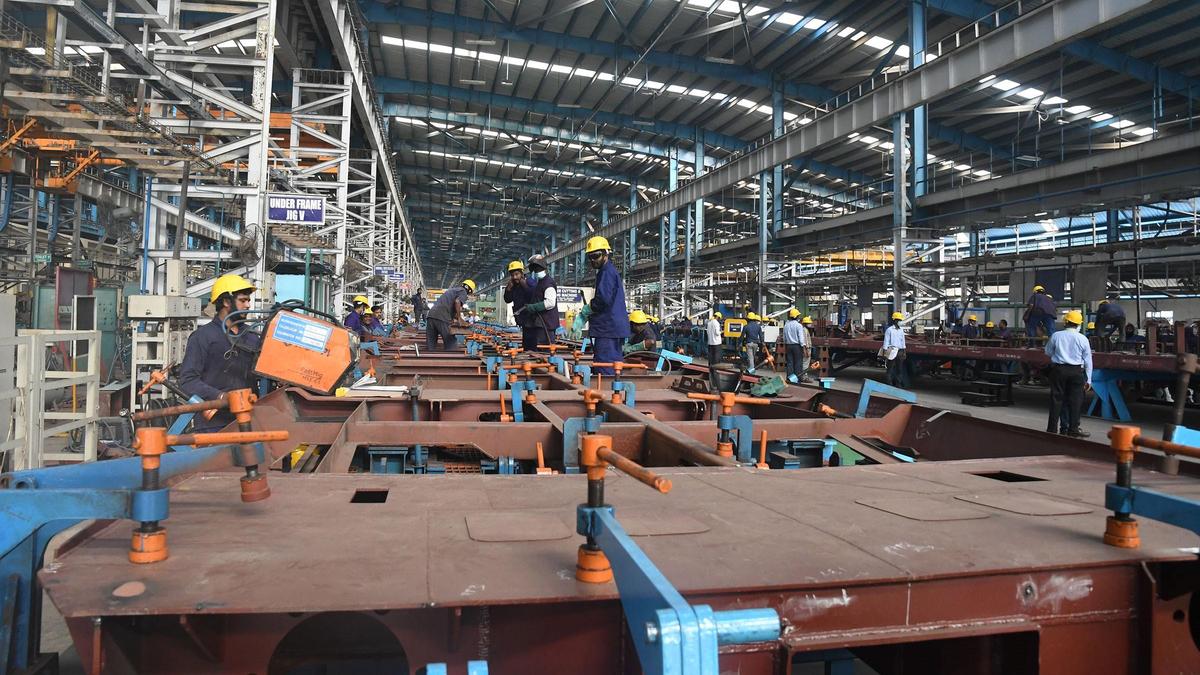
The Budget is devoid of any populism but squarely dwells on strengthening the fundamentals of the economy. The focus on sustained economic growth, scaling up manufacturing in seven strategic and frontier sectors, industrial clusters, SME growth, a powerful push toward infrastructure, long-term energy security, high-speed rail corridors, measures intended to raise the farmer’s income and other simplified procedures are steps to becoming a more powerful economy.
S.N. Srinivasan,
Bengaluru
Amid global turbulence and geopolitical distractions, the Finance Minister has resisted reactive fiscal postures and instead focused on domestic growth and employment. The total proposed capital expenditure represents a roughly 9% increase in public investment, aimed at infrastructure and growth-enabling projects. The figure for market borrowings reflects a calibrated financing strategy that balances fiscal discipline with elevated capex outlays, and without a commensurate spike in market borrowing. This provides for improved revenue buoyancy, asset monetisation and better expenditure quality to fund growth, rather than leaning on debt markets.
R. Narayanan,
Navi Mumbai
At Melbourne
Novak Djokovic was applauded at the Australian Open when he spoke after the final. Addressing Carlos Alcaraz, he said, “What you’ve been doing, I think the best word to describe it is historic, legendary….” Djokovic may have departed, overcome by the next generation, but men’s tennis continues its transition forward.
A.P. Thiruvadi,
Chennai
Published – February 02, 2026 12:24 am IST