





Time, technology, and mind – The Hindu
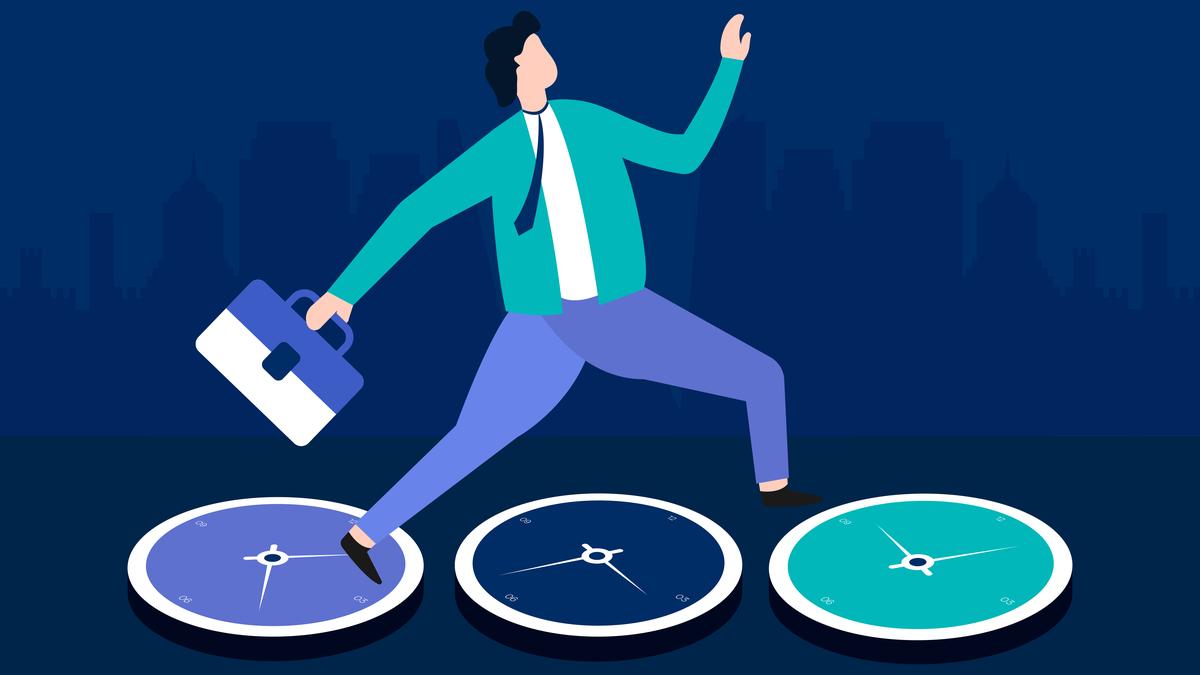
Technology does not give free time, but free capacity, and humans immediately fill that capacity with more work, more goals, and more pressure.
| Photo Credit: Getty Images/iStockphoto
Modern life is full of shortcuts, conveniences, and instant solutions. Yet today, more than ever before, we repeat the same excuse: “I don’t have time.” This is strange, because if we rewind just 20 years, people lived without the digital systems we now depend on. They walked to shops, stood in long queues to book tickets, travelled for basic errands, and waited patiently for things to get done. Life demanded more physical effort and time, yet people somehow managed to make space for family, social events, and relationships.
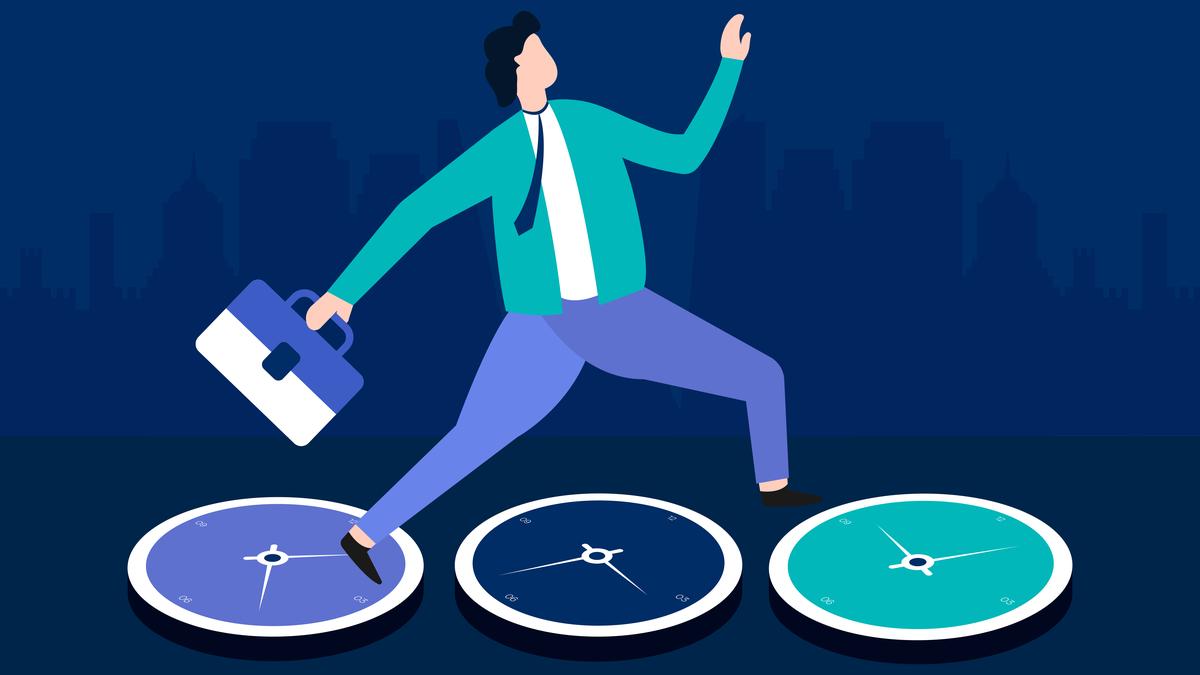
Today, almost everything happens through a device. Shopping, payments, ticket bookings, and planning are completed in seconds. Technology collapses the distance between needs and wants. In theory, we should have gained time. Instead, we feel more time-poor than ever. This is because technology did not actually give us free time. It gave us free capacity, and humans immediately filled that capacity with more work, more goals, and more pressure.
As tasks became faster, expectations rose. The extra hour created by convenience did not become rest; it became an obligation. Being constantly reachable, responsive, and productive turned into the norm. At the same time, we lost the slow parts of life — walking, waiting, travelling — the in-between spaces that once acted as natural mental resets. Those pauses allowed the mind to wander, reflect, and breathe. Today, every idle moment is filled with a screen. What was once recovery time is now consumption time.
The result is a constant state of low-grade mental exhaustion. Not dramatic burnout, but a dull fatigue, a fog that never fully lifts. When we finally get a moment to think, we don’t have the energy for it. We would rather sleep in a cab than walk to a nearby errand. We conserve energy the way earlier generations conserved time.
Even our idea of rest has changed. Instead of slowing down, we reach for shortcuts, a funny reel or quick distraction hoping it will refresh us. But the brain registers this as more input, not rest. Gradually, life becomes a loop of task and distraction, leaving little room to ask why we do what we do. This is ironic, because human evolution spent thousands of years developing the prefrontal cortex, the seat of reflection, planning, and self-control. Today, daily life rarely demands its use. Algorithms decide, reminders think, screens fill boredom. Even our bodies are affected: phones enter bathrooms, alarms replace circadian rhythms.
Technology didn’t make us less human. But it did make it harder to access the parts of humanity that require stillness, intention, and awareness. Perhaps the first step back is simply recognising how far we’ve drifted.
tejaswini.sugumaran@gmail.com
Published – February 01, 2026 03:23 am IST