



‘Mayasabha’ movie review: Javed Jaaferi assuredly leads Rahi Anil Barve’s sentimental mood piece
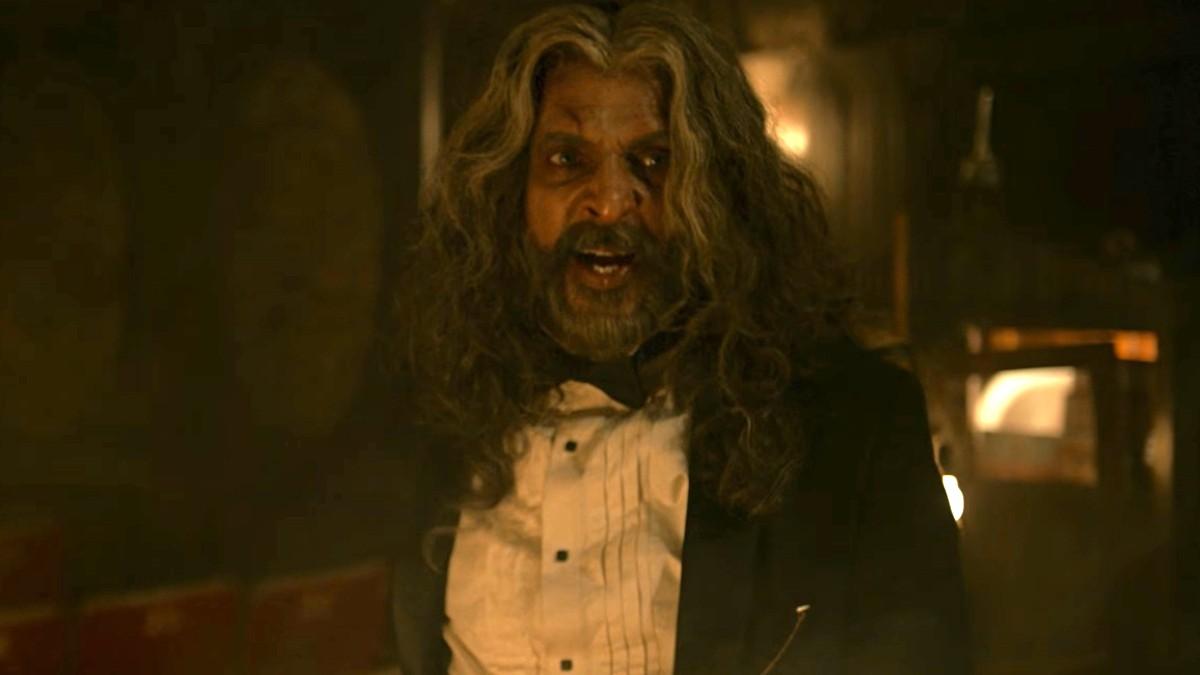
Javed Jaaferi in ‘Mayasabha’
| Photo Credit: Zirkon Films
Just as Tumbbad soaked with rain, Mayasabha brims with smoke. If Tumbbad accumulated an age-old myth, Mayasabha exorcises an almost dystopian reality of a dilapidated single screen theatre. It carries the atmosphere of dread in its meticulously imagined morbid interiors of the space. Like the cursed great grandmother turning into a tree stretches the existential epic-ness of time in Tumbbad, the spoiled, defunct walls of the theatre in Mayasabha deify its ancient permanence. The grandiosity of its desolation makes it eerily illusive. The shadow of the theatre looms over the film like the grey clouds in Tumbbad, thickly spreading its claustrophobic tenacity into the minimalistic whole.
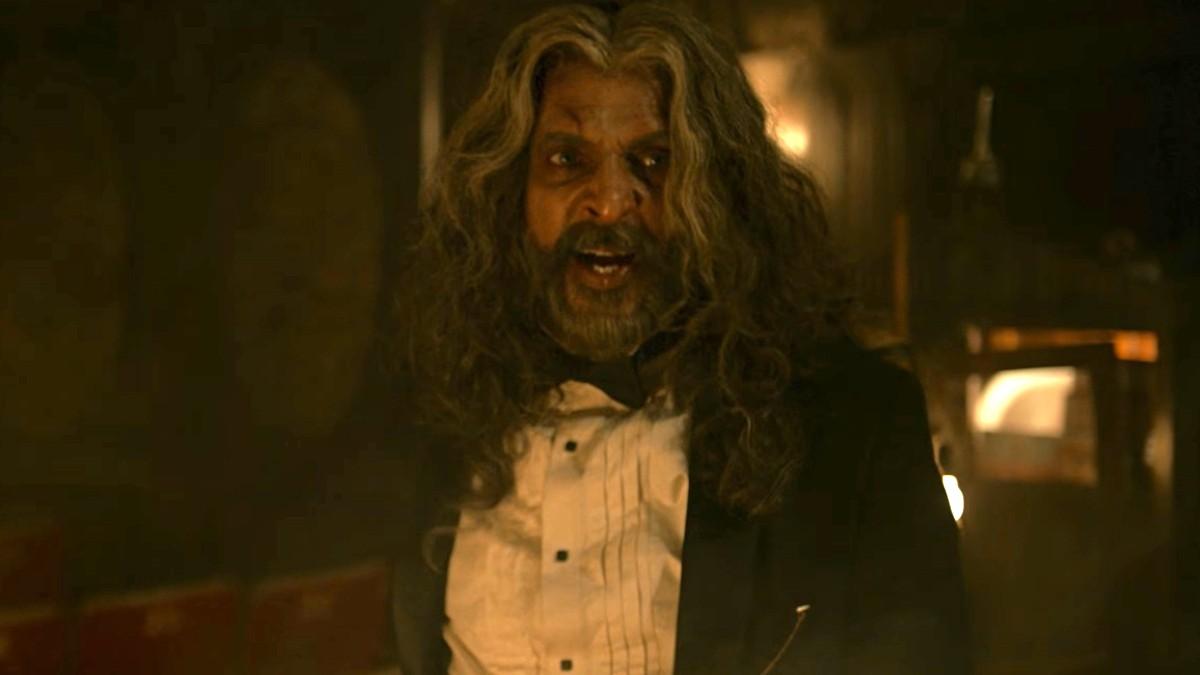
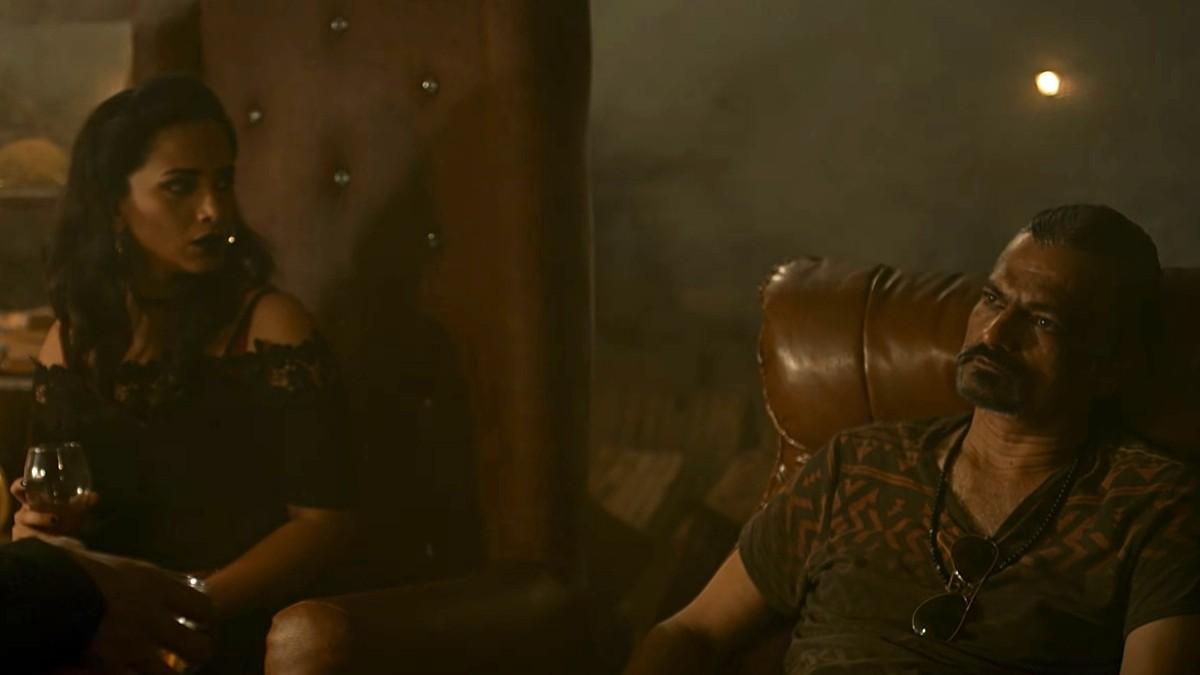
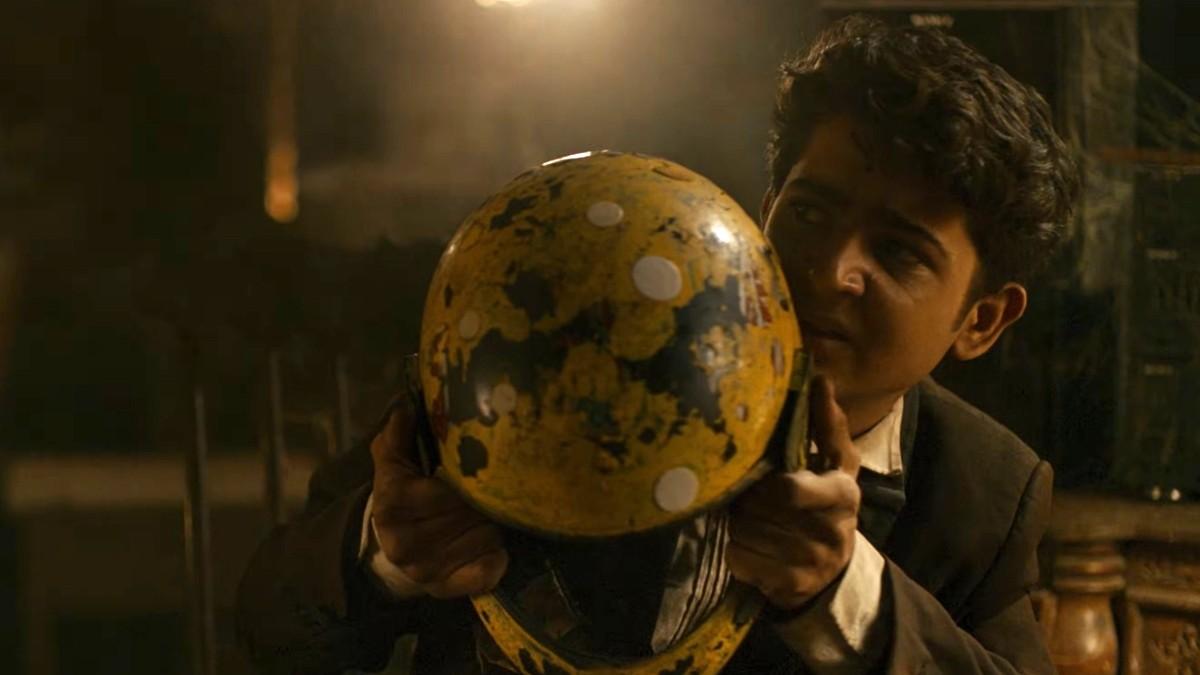
Parmeshwar Khanna (Jaaved Jaaferi) seems like an extension of the theatre ruins. The loss of its glory mirrors starkly in the unforgiving rupture of his mind. As a menacing, remarkably shabby, grey-haired figure, Parmeshwar’s bizarre unpredictability nurtures the theatre’s mystery. Apart from carrying the remains of his insanity, the theatre also houses kilos of gold in the mist — its location not really known even to Parmeshwar himself, who forgot about where he hid it. Or so his teenage son, Vasu (Mohammed Samad) believes, as he recounts the details to the cunning ears of Ravrana (Deepak Damle). Along with his manipulative sister Zeenat (a compelling Veena Jamkar), Ravrana strives to get hold of the gold when they are invited over to the theatre by Vasu for a party. The night proves to be fatal for the four.
Mayasabha (Hindi)
Director: Rahi Anil Barve
Cast: Javed Jaaferi, Mohammed Samad, Deepak Damle, Veena Jamkar
Runtime: 104 minutes
Storyline: An ageing, eccentric producer lives in a dilapidated theatre with his teenage son. Hiding in its ruins is 40 kilos of gold, which lures two street smart siblings to go on a treasure hunt
Filmmaker Rahi Anil Barve uses the setup to explore the decay of Parmeshwar and how he came to be. Once a producer in bygone times, left scarred forever when his actress wife cheated on him, Parmeshwar is seldom what he claims to be. He is obsessed to live with smoke, that he continuously sprays from his DDT hand-spraying machine. His memory is thick, his stories thicker. Barve’s layered writing makes him a ghost, who martyred his reality to pave way for an imaginative fantasy. As Vasu recounts how Parmeshwar locked himself in the theatre for three months after separating from his wife as he kept looping over her films on the big screens. The theatre consumed him and he consumed the theatre
A still from the film
| Photo Credit:
Zirkon Films
Rahi also infuses a sense of tragedy into the character that is as prodigious as a Shakespearean tale. There is unmissable theatricality even in Javed’s performance, who uses his wildly expressive face as a disintegrating force. He brings a certain magnetism to his persona, marked by a hyperactive body language and an immaculate shift in his vocal range that leaves a dangling trace of terror. Reacting to his outbursts, Mohammed Samad displays disarming innocence. Just like Tumbbad, he plays a son, whose premature coming-of-age follows after his meeting with violence.
At its heart, Mayasabha explores the intricacies of a father-son relationship standing upon scandalous grounds. Rahi’s film is fragmented like a sentimental poem. There is so much more to unravel here than to be able to grasp completely in a single watch. The mise en scène is dense, filled with innumerable details and textures. The camerawork by Kuldeep Mamanai places the maze-like world in a string of moody visuals, dabbling constantly with the idea of light and dark, as if existing only in the extremes where Parmeshwar seems to operate.

Instead of sticking to a genre, Rahi is more interested to observe the deterioration of the eccentric anti-hero. The film also seems to be thematically ambiguous compared to the sharp exploration of capitalistic greed in Tumbbad. The philosophy here is more veiled or, as Parmeshwar remarks in a scene, hidden in plain sight. There is an echoing of Kabir’s verse too, when he reflects on the frailty of life and the brutal inevitability of death. Not all of it ties together as coherently into scenarios, often getting too entangled in the physicality of action than in the emotive release of its themes.
A still from the film
| Photo Credit:
Zirkon Films
It is still a triumph of Rahi’s conviction for not pit-falling into templates. His vision becomes intoxicating, carrying surprises not just in the narrative but in the boundless appeal of his images. He crafts them with a decorative spirit; placing them on the screen like words on paper, as they evolve together into newer shapes, meanings and metaphors. Patching it together is his refusal to stick to a particular form which adds an exploratory feel to the narrative. Where Tumbbad treaded on atmospheric landscapes, Mayasabha internalises the machination. If this is what he can build with a limited budget and 22 days of shoot, I wonder what gold awaits in Gulkanda Tales.
Mayasabha is currently running in theatres
Published – January 30, 2026 05:41 pm IST