



Mamallan drinking water reservoir project: quenching Chennai’s growing thirst
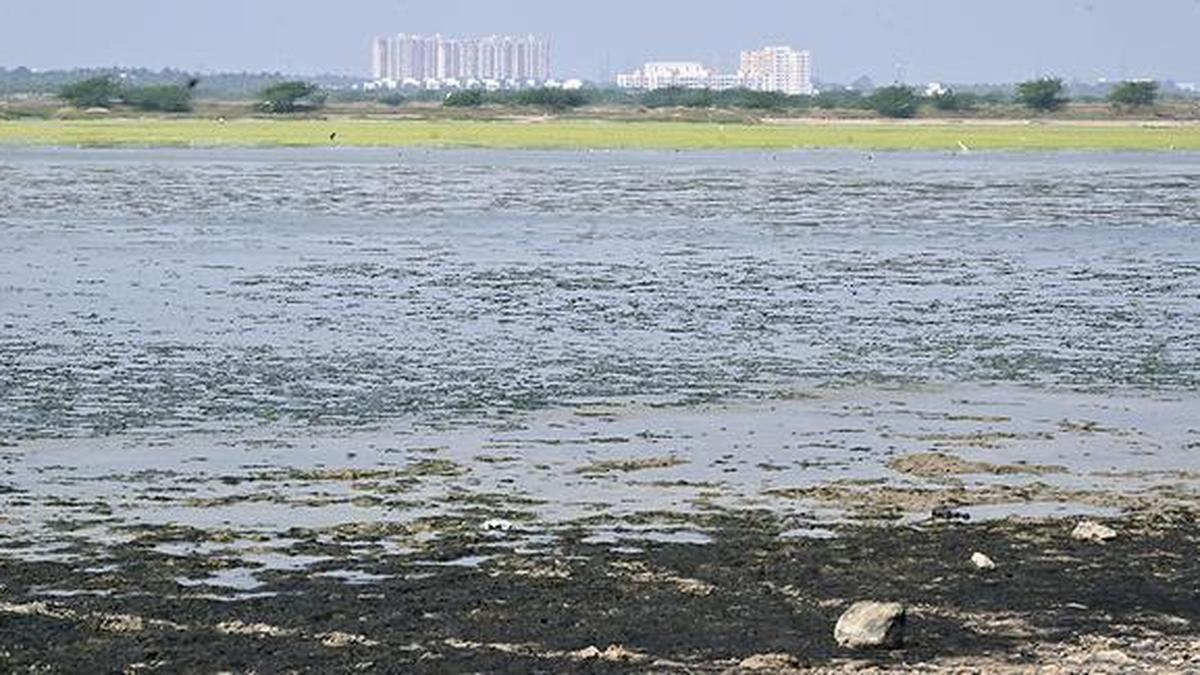
Tamil Nadu Chief Minister M.K. Stalin laid the foundation stone for the ₹342.6-crore Mamallan drinking water reservoir project on January 19, 2026.
| Photo Credit: The Hindu
It is well known that Chennai and most of Tamil Nadu do not have much potential for tapping surface water and building any new reservoir, even for drinking water purposes. So, when the State government announces a plan to raise one, particularly for the city, the move should have drawn praise. Instead, the government is drawing flak from sections of fishermen and residents on the grounds that the initiative will “disrupt their livelihood and permanently alter” the fragile brackish-water ecosystem.
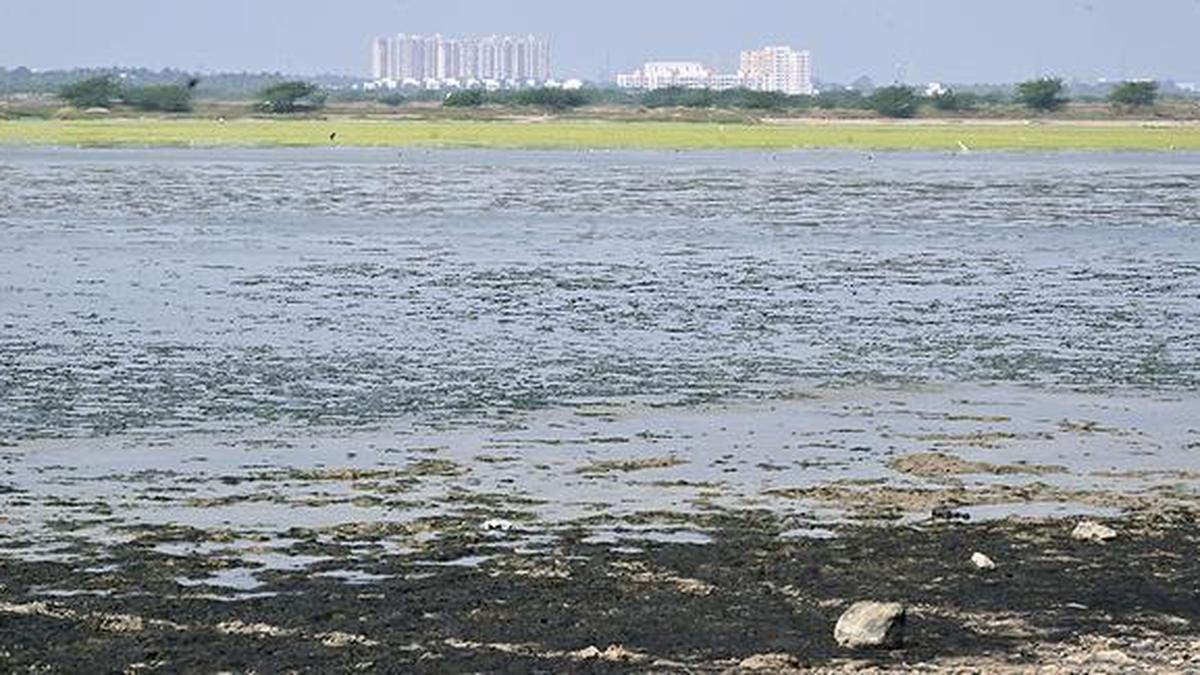
The project in question is the ₹342.6-crore Mamallan drinking water reservoir project, for which Chief Minister M.K.Stalin laid the foundation stone on January 19. Billed as the city’s sixth drinking water source (the others being Cholavaram, Red Hills, Chembarampakkam, Kannankottai Thervoykandigai and Satyamurti Sagar in Poondi), the proposed reservoir will come up in two years near Mamallapuram, a world heritage site about 55 km from Chennai. It will be spread over a land parcel in Thiruporur taluk of Chengalpattu district between the East Coast Road (ECR) and the parallel Old Mamallapuram Road (OMR).
Also read | Fisherfolk oppose Mamallan Reservoir project at Gram Sabhas
Named after Narasimhavarman I (630-668 CE) of the Pallava dynasty who was called Mamallan (the great wrestler), the drinking water reservoir project is aimed at harnessing surplus flows from the Manamathy group of tanks and Kovalam sub-basin to augment Chennai’s water supply with up to 170 million litres per day (MLD). To be constructed with a capacity of 1.65 thousand million cubic feet (TMC), the proposed reservoir will benefit approximately 13 lakh people, accounting for about 14% of around 1,200 MLD that is being supplied by the Chennai Metrowater to Chennai and other parts of the Chennai Metropolitan Area (CMA). Among those who are going to be covered are residents of Sholinganallur, Pallikaranai, Siruseri and Mamallapuram. As Chennai does not have any perennial source of water and is dependent on the Krishna water from Andhra Pradesh for a bulk of its requirements, its average quantum of water supply is 700 to 800 MLD. The present demand of 1,100 MLD is expected to double in 10 years. For the broader CMA that covers the reservoir site, the demand is projected to be 2,500 MLD by 2035.
People of fishing villages, from Kanathur Reddikuppam to Kokkilimedu, have conveyed to the State government that it would “destroy their customary fishing grounds and undermine the spirit” of the Coastal Regulation Zone (CRZ) rules. People of Kovalam Kuppam have even sought the intervention of the Union Ministry of Ports, Shipping and Waterways in the matter as they contend that the reservoir would block the natural flow of the Buckingham Canal. Many residents used the Gram Sabhas organised on Republic Day to reiterate their opposition to the project and submitted petitions in this regard. Spokespersons of the concerned people complained that in some places, officials, who had refused to accept the petitions and permit the Gram Sabhas to adopt resolutions against the project, had however nothing to object to motions that were critical of the Centre’s new rural job guarantee scheme.
It may be recalled that in the 1990s, the ECR project faced a similar opposition. Then too objections were raised citing likely damage to the environment and livelihood opportunities of different sections of people, including farmers. Now functional for nearly 30 years, the Chennai-Cuddalore stretch of the ECR is among the upmarket areas of the State.
Defending the project in the Kovalam sub-basin, senior officials say it will serve as a flood buffer and avert sea water intrusion. In the last 25-odd years, the Information Technology (IT) sector boom has led to a spike in commercial activity, especially in the real estate segment, on the ECR and the OMR. This has shrunk the flood plains and swamps, causing rapid reduction of flood buffering capacity of Pallikaranai swamp, according to an internal official document on the project. The project, which does not involve the acquisition of private land, has been mooted to address these problems. Apart from new fishing opportunities in the reservoir, the project envisages the removal of silt from the Buckingham Canal which will, in turn, improve the flow of brackish water and floodwater, eventually creating a better fishing ground, the officials explain.
Notwithstanding the pros and cons of the project, all stakeholders should keep in mind that development comes at a price. At the same time, the authorities should ensure that such development remains sustainable without jeopardising the interests of people, especially vulnerable sections. And that would be the best tribute to Mamallan and other great Pallava kings, who had excelled in water management even about 1,500 years ago.
Published – January 29, 2026 12:03 am IST